
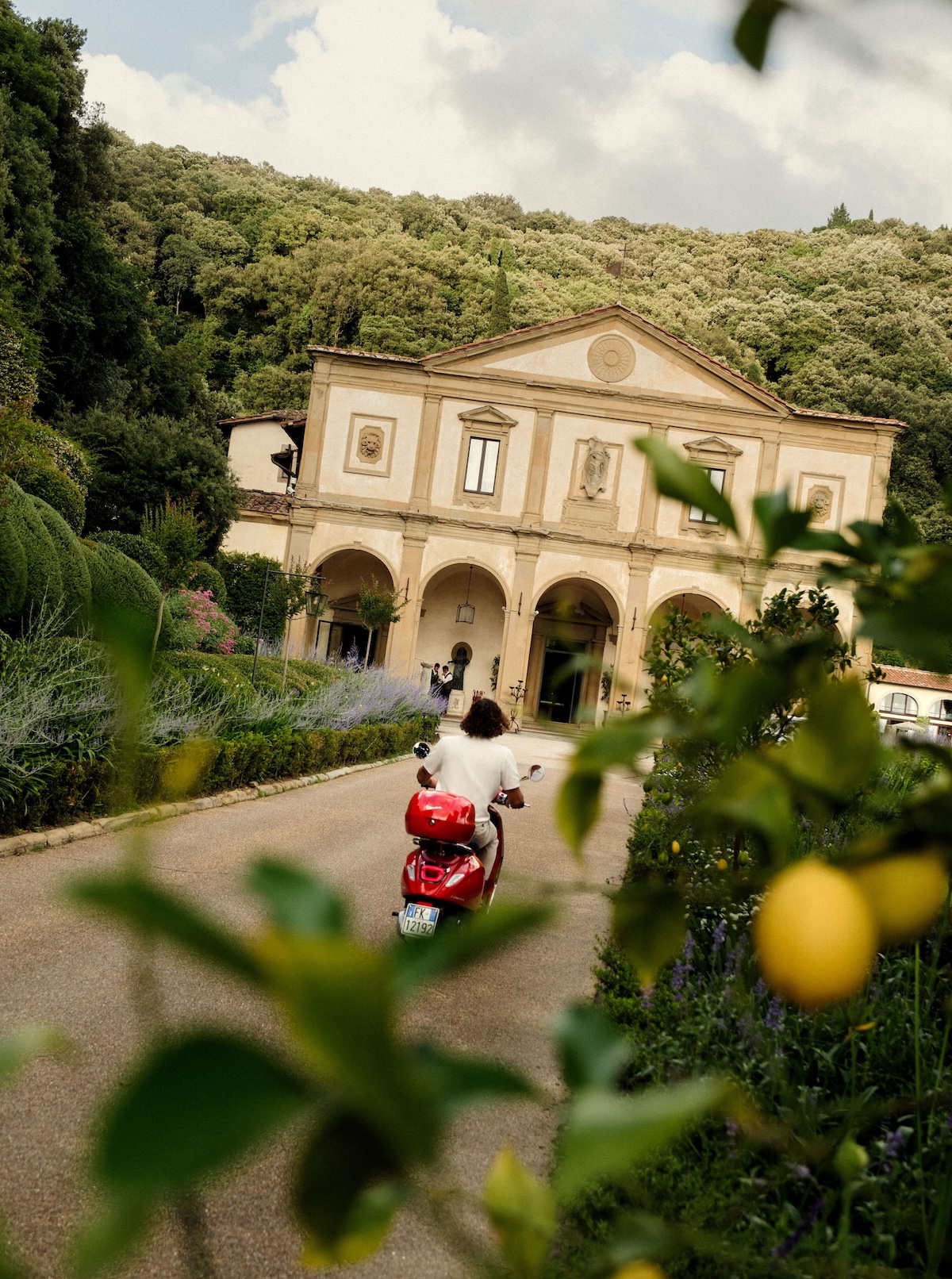
Halfway through our stay at Villa San Michele, a Belmond hotel, my mother (on her first trip to Florence) looked up from her coffee, glanced across the valley towards the terracotta haze and asked a question that felt faintly absurd given where we were.
‘Do we actually need to go into the city today?’
The answer should probably have been yes. After all, Florence lay just twenty minutes away, connected to the hotel by a regular shuttle that ferries guests between the quiet hills of Fiesole and one of Europe’s most celebrated cities. The Uffizi, the Duomo, the galleries, churches and trattorias that draw millions of visitors each year were all waiting below.
Instead, I found myself looking back towards the view. ‘I’d rather stay at the hotel…’
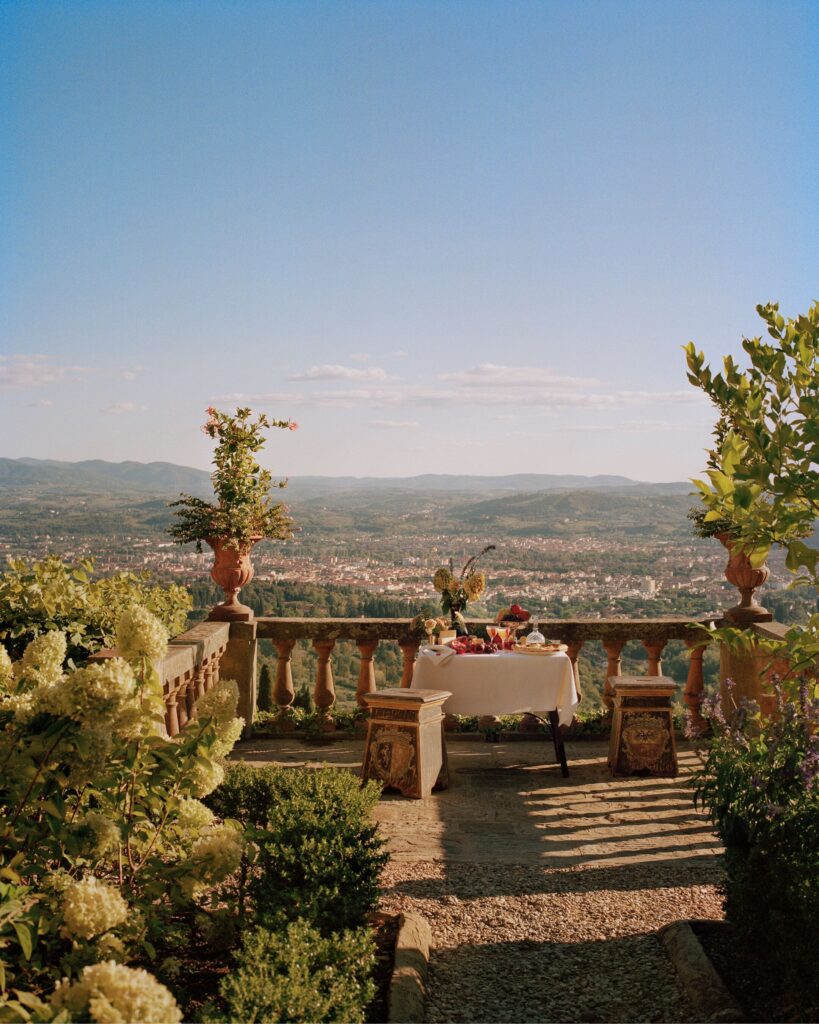
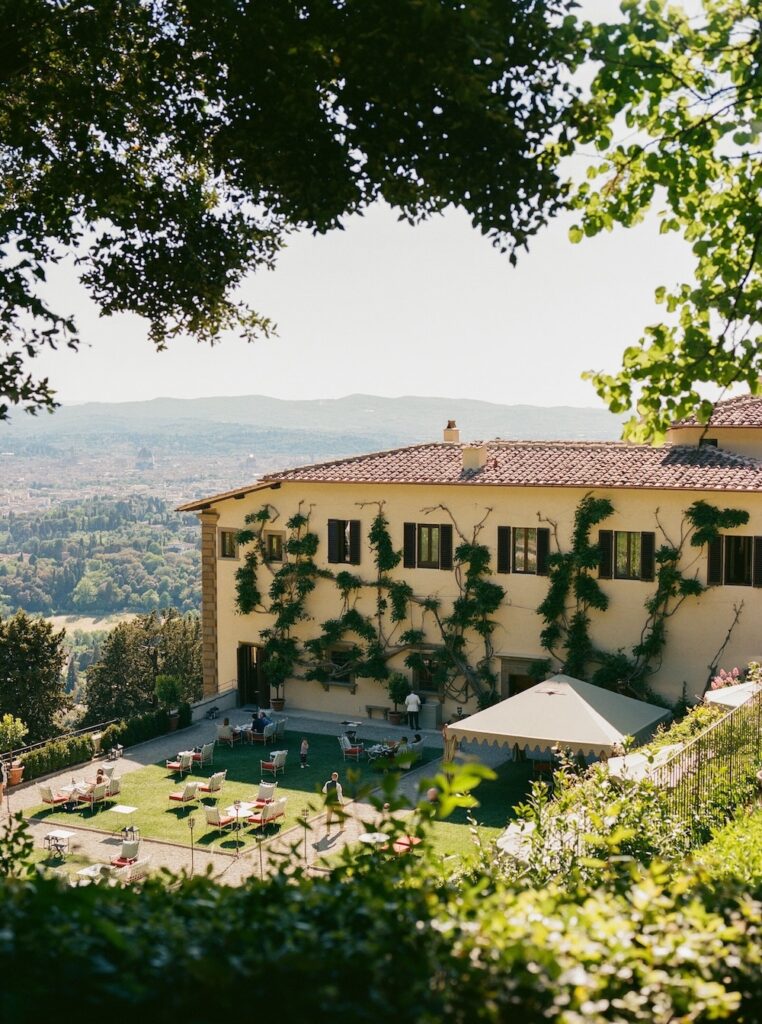
What sounds ridiculous in almost any other destination feels entirely reasonable at Villa San Michele. High above Florence, concealed among cypress trees, holm oaks and terraced gardens, Belmond’s former monastery occupies one of the most extraordinary positions of any hotel in Europe. The city spreads out below in near-perfect proportion, Brunelleschi’s dome rising from a sea of hazy terracotta rooftops, church spires punctuating the skyline and the Tuscan countryside fading into the distance beyond. From breakfast through to sunset, the view exerts a quiet but persistent pull. You find yourself arranging your day around it. A coffee becomes an excuse to sit on the terrace. A pre-dinner drink turns into an hour spent watching the light move across the Duomo. Even after dark, the city continues to shimmer below like a stage set.
I first stayed here in 2022, before the hotel closed for its ambitious eighteen-month restoration. What struck me then was not simply the beauty of the setting but the sense that Villa San Michele belonged to Florence in a way many luxury hotels do not. While much of the city can feel consumed by tourism, the former monastery seemed to exist slightly outside it, connected to Florence but removed from its intensity. Guests came and went from the city below, but the pace of life on the hillside remained remarkably unchanged.
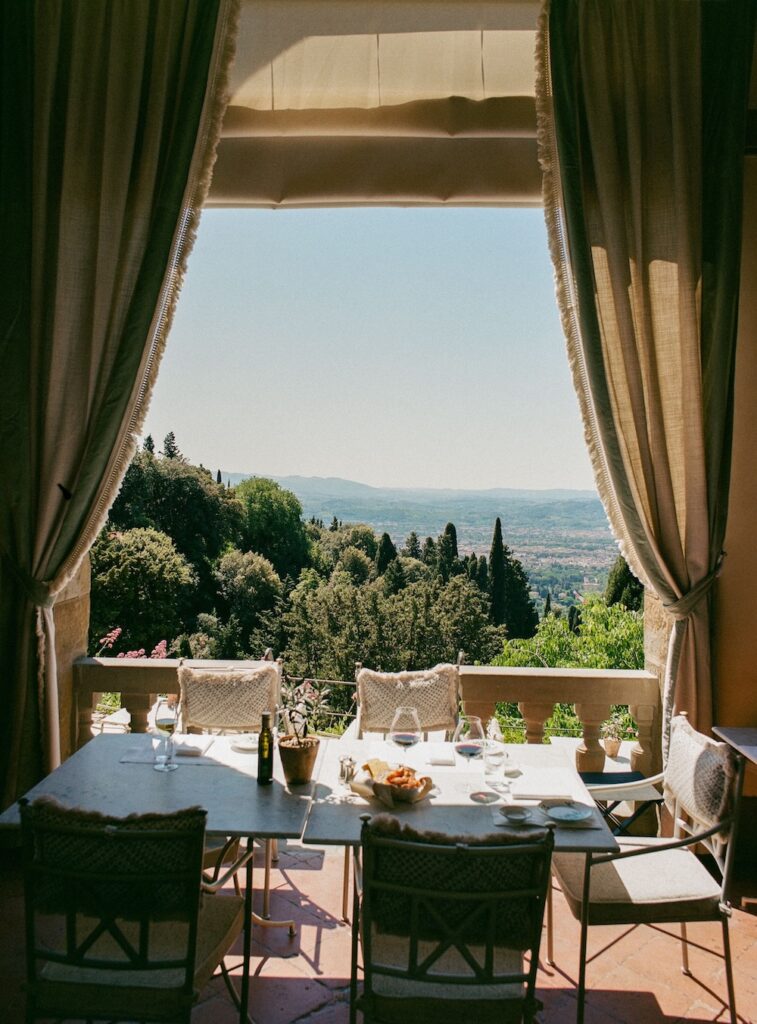
That sense of separation is deeply instilled in the history of the place. Originally built as a Franciscan monastery more than six centuries ago, Villa San Michele sits among the hills that have long served as Florence’s natural escape. These slopes were once favoured by noble Florentine families seeking cooler air and wider horizons, while the surrounding woodland takes its name from Leonardo da Vinci, who is said to have tested one of his early flying machines nearby. For generations of Grand Tour travellers, artists and aristocrats, this was a place of contemplation rather than spectacle.
The challenge facing Belmond’s restoration was therefore a delicate one. Villa San Michele never lacked atmosphere, beauty or finesse. The question was how to modernise a beloved hotel without disturbing the qualities that made it special in the first place. The answer lies in restraint.
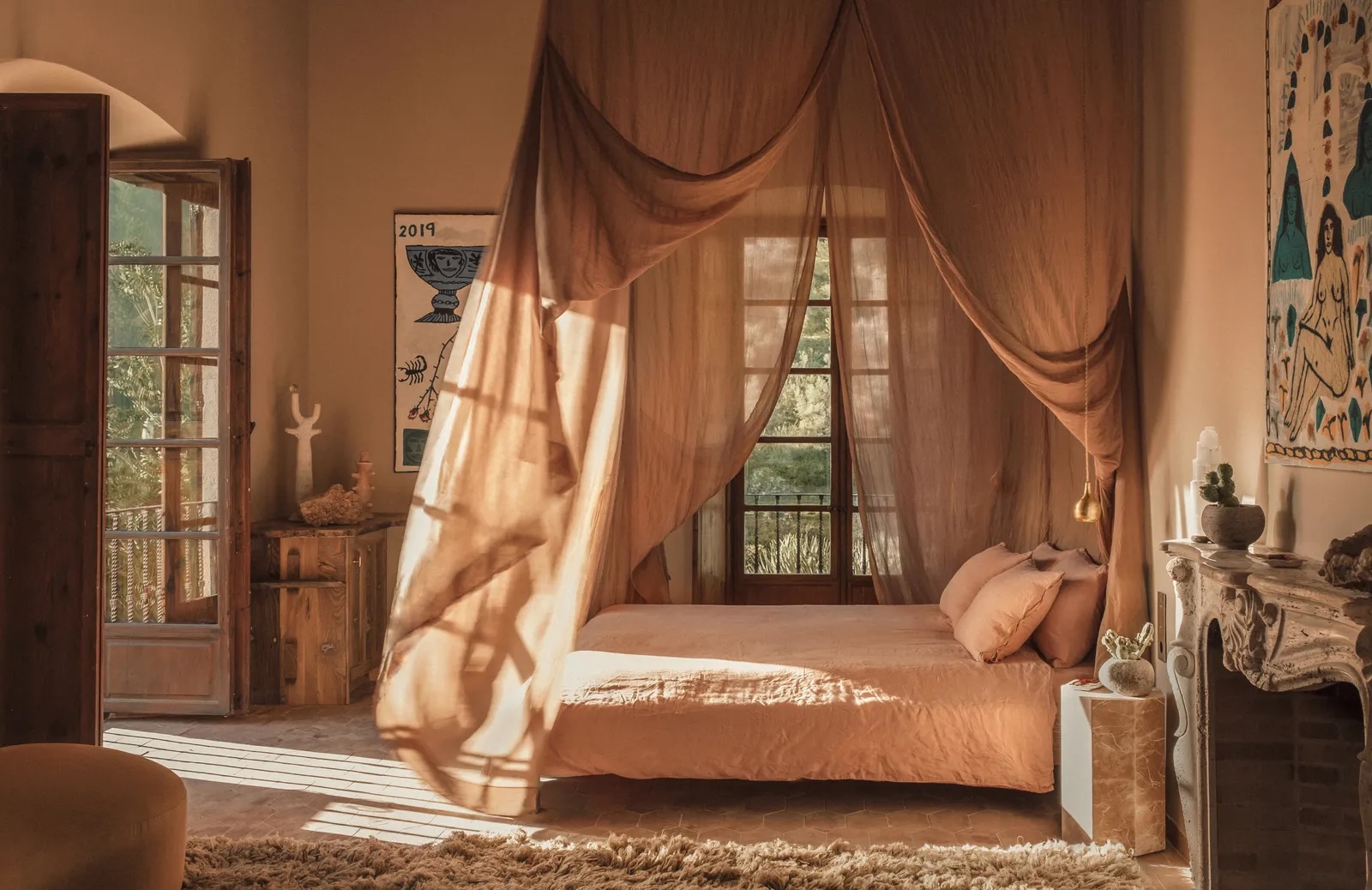
Working with Florence-based Luigi Fragola Architects, Belmond has reimagined all 39 rooms and suites while preserving the character of the former monastery and its gardens. The new interiors draw heavily on Florence itself, not in any obvious or theatrical way, but through craftsmanship, materials and a distinctly residential sensibility. Tuscan textiles, antique furnishings, hand-crafted ceramics and carefully sourced artworks create spaces that feel lived-in rather than styled. Many luxury hotels speak of a sense of place; Villa San Michele achieves it with unusual confidence.
Returning after the renovation, what struck me most was that the view no longer completely steals the show.
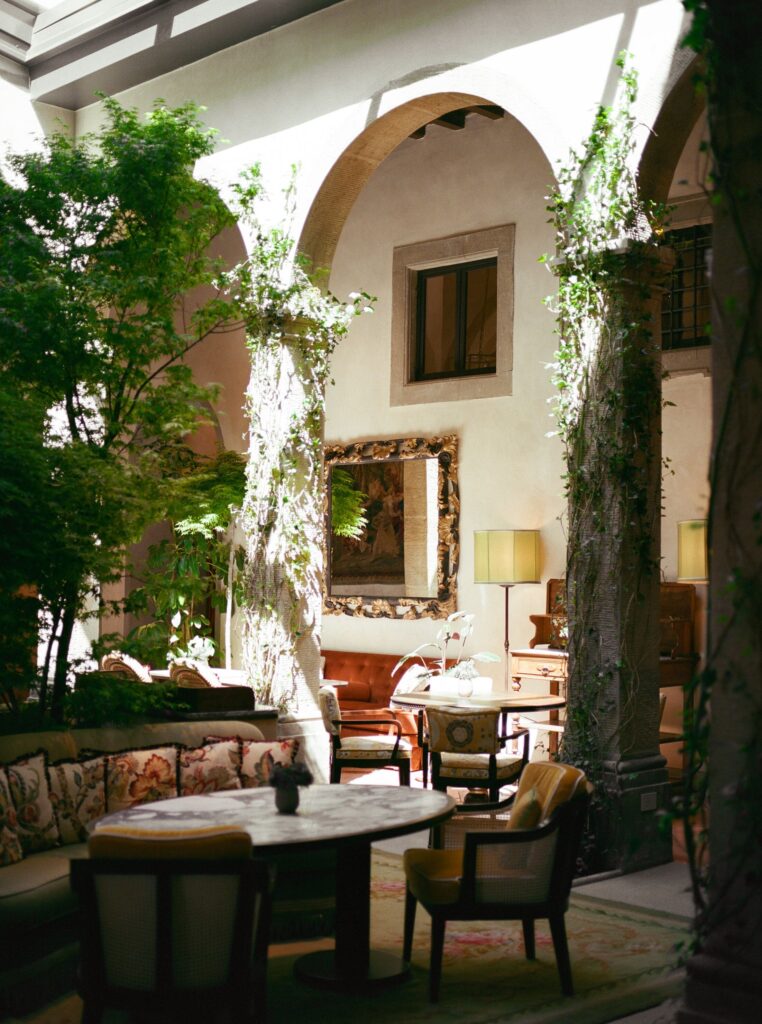
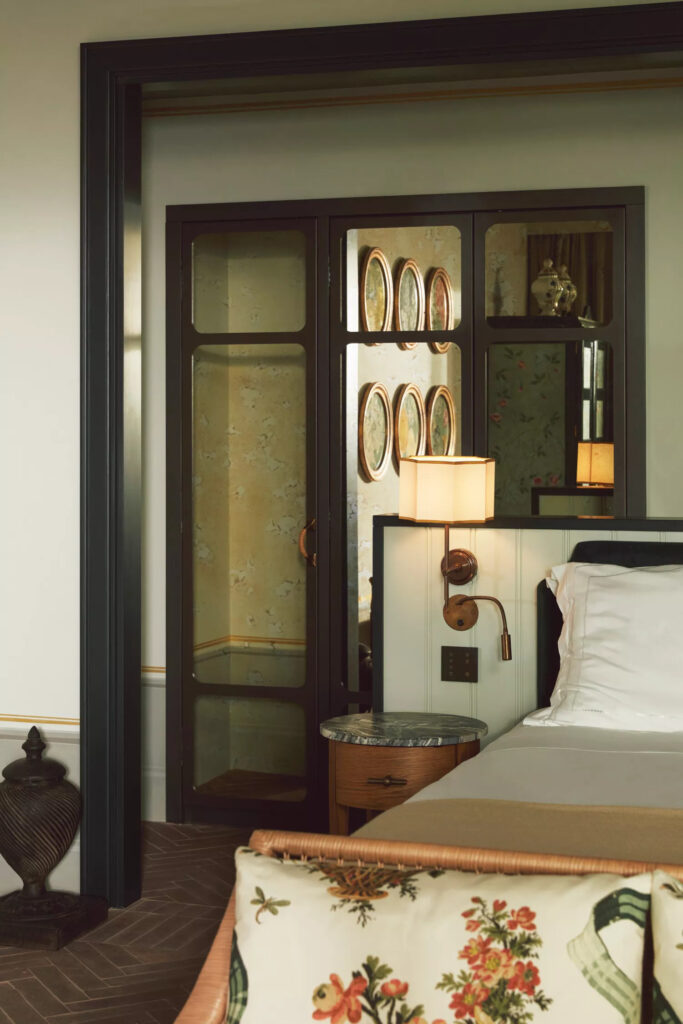
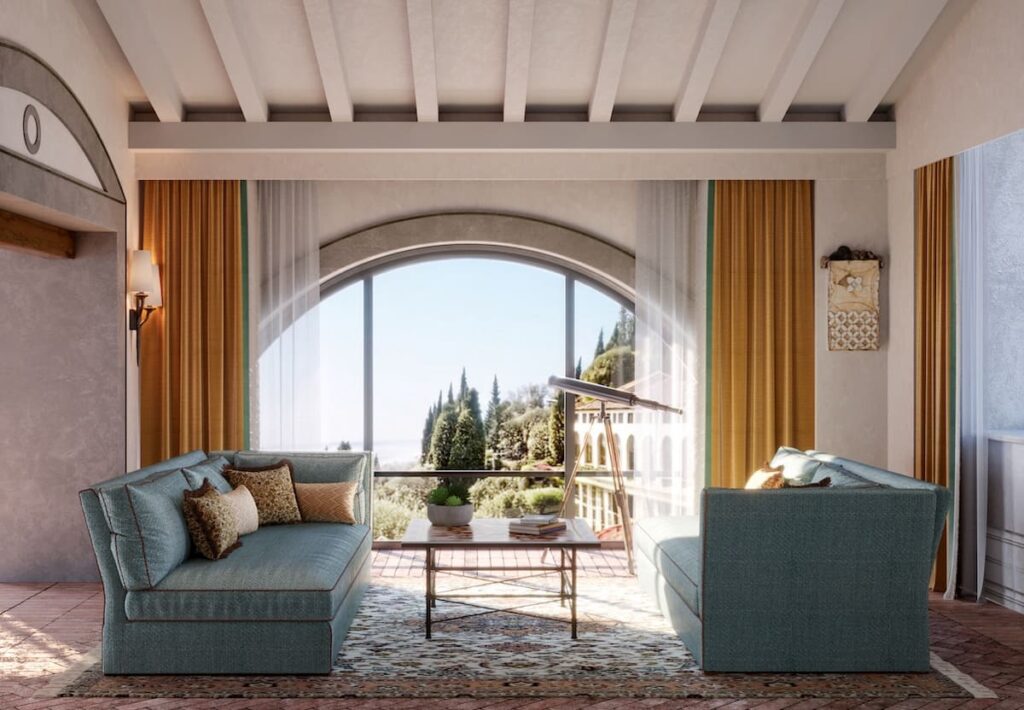
Previously, it was almost impossible for any room to compete with the panorama outside. Today, the relationship feels more balanced. The interiors possess a richness and individuality that encourage guests to slow down and pay attention. The new signature suites are particularly compelling. Limonaia, housed within the estate’s former orangery, feels like the home of a passionate collector, layered with books, artwork and curiosities gathered over a lifetime. Botanica takes inspiration from the gardens themselves, while The Grand Tour references the travellers who once crossed Europe in pursuit of beauty, culture and knowledge. Previously, stepping inside almost felt like a distraction from the view. Now, you find yourself lingering over a drink in the elegant new bar or retreating into a quiet corner with a book, no longer feeling as though you’re missing the main attraction.
The gardens, meanwhile, remain among the most enchanting in Italy. Anyone familiar with Villa San Michele will be relieved to learn that Belmond has approached them with a similarly light touch. The famous wisteria remains, while extensive replanting has introduced new varieties of roses, iris, herbs and citrus in keeping with the traditions of historic Fiesole gardens. Walking through the grounds still feels less like being in a hotel than wandering through a private estate, albeit one with uninterrupted views across Florence.
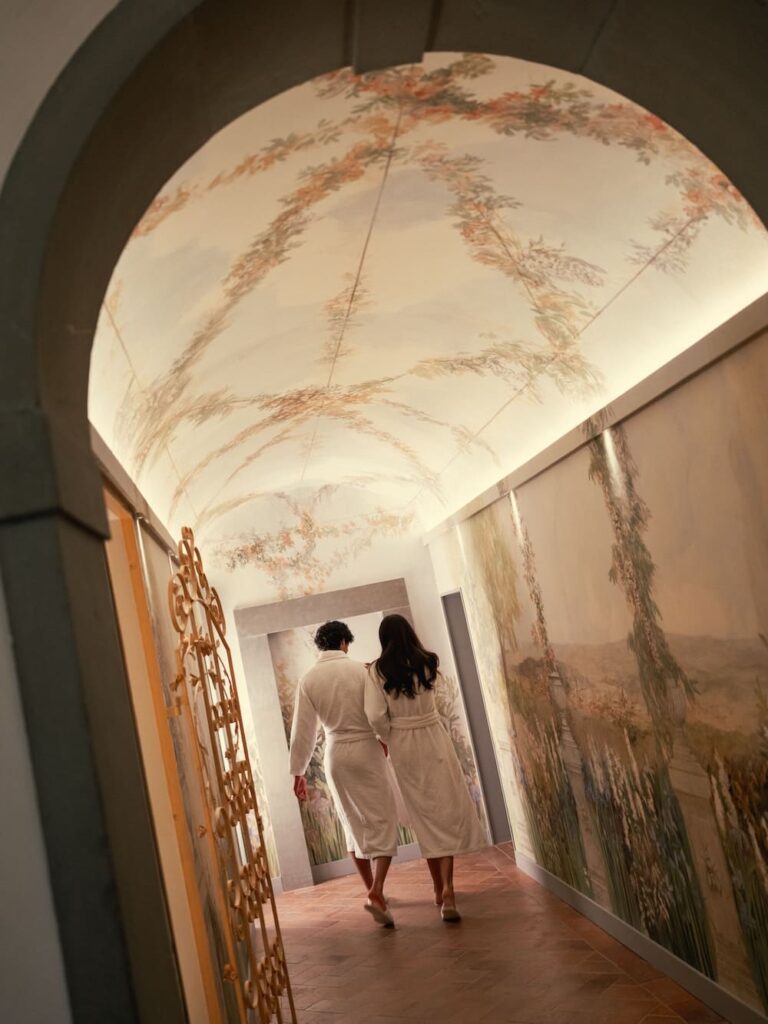
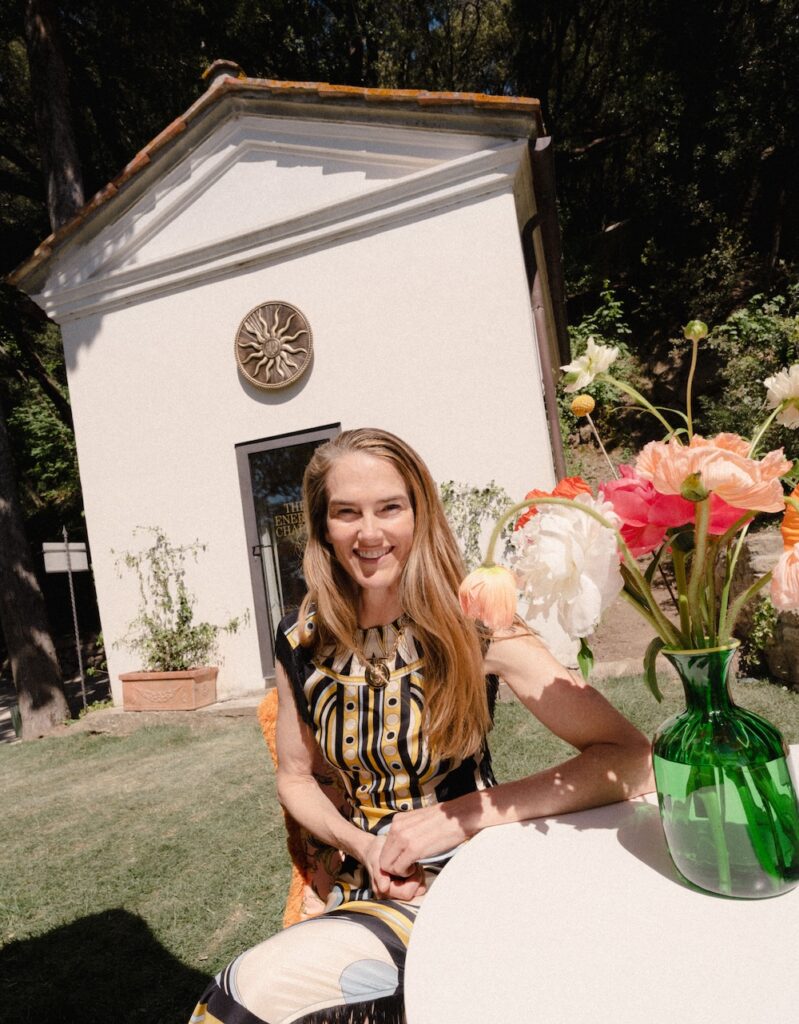
Among the most significant additions is the Villa San Michele Spa by Guerlain, the first dedicated spa in the property’s history. Tucked discreetly within the monastery, it draws inspiration from both the contemplative origins of the building and Guerlain’s long wellness heritage. A wander up a crunchy woodland path, in what was a small disued chapel, a new partnership with La DoubleJ brings yoga, meditation and sound healing to the surrounding woodland, adding another dimension to a property that has always been associated with restoration in the broadest sense of the word.
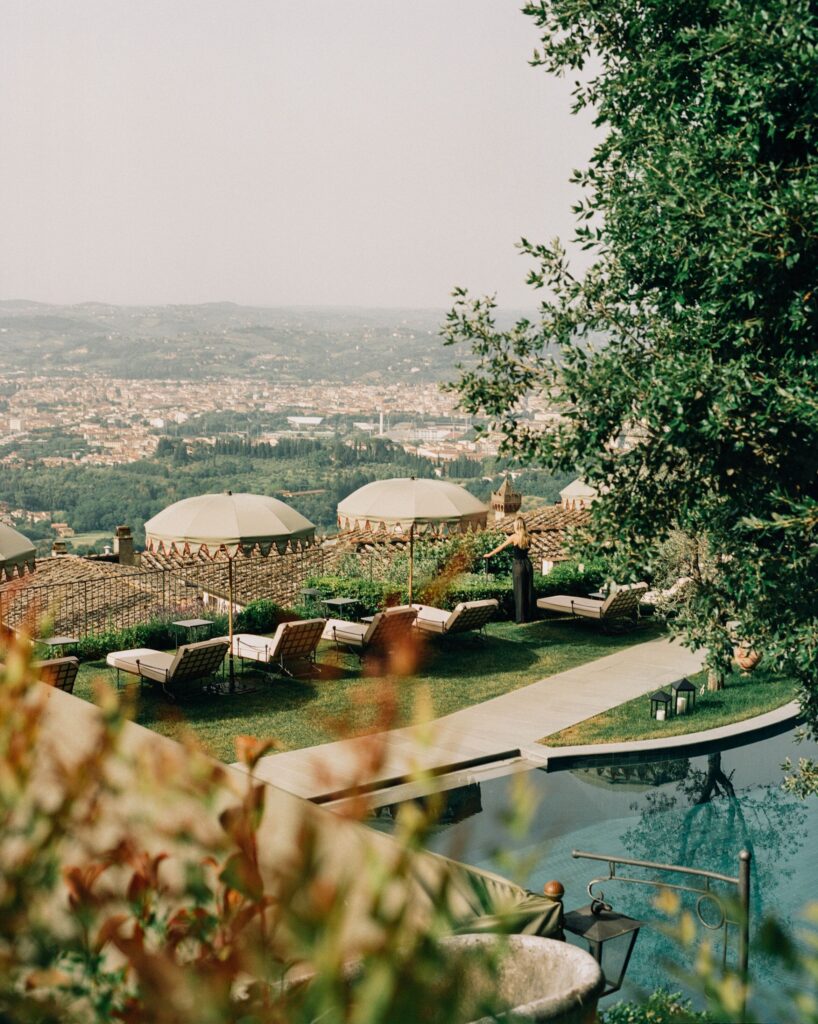
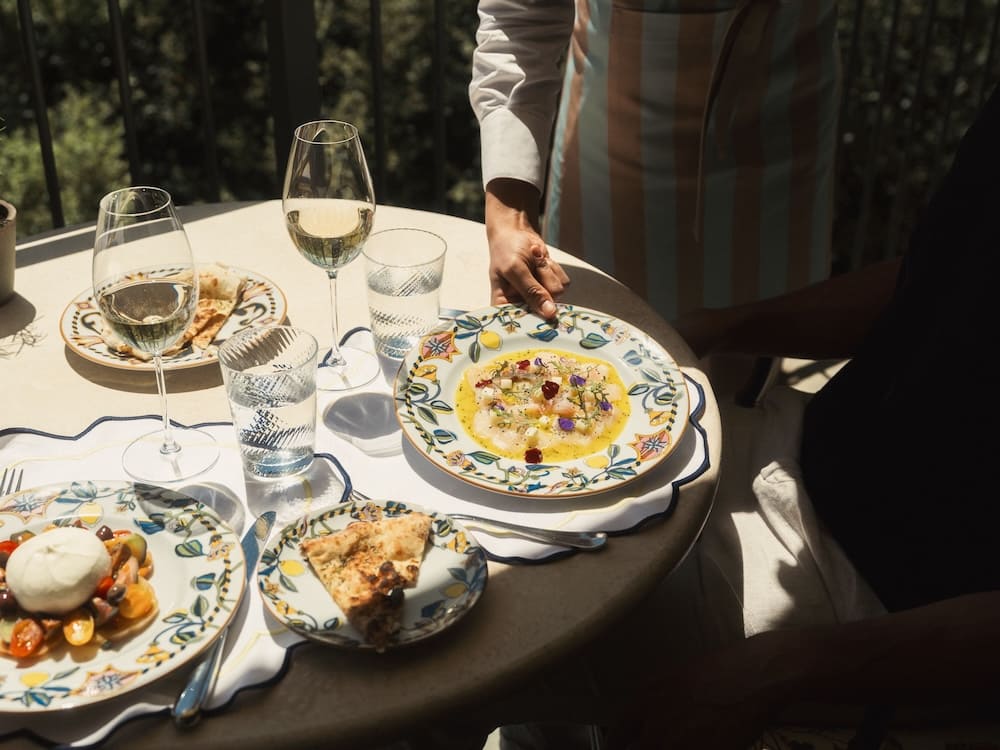
The same philosophy extends to the dining experience, which has been thoughtfully expanded as part of the hotel’s reopening. What was once a single restaurant has evolved into three distinct experiences, each sharing the same star attraction: Florence itself. Beneath the monastery’s historic loggia, Executive Chef Alessandro Cozzolino now oversees both a refined tasting menu concept, Antesi, and a more smart-casual restaurant celebrating the flavours of Tuscany (Ristorante San Michele), while the poolside San Michele Grill remains one of the most enjoyable lunch spots in the city, serving wood-fired pizzas, pasta and Italian classics with a view that would justify a visit on its own.
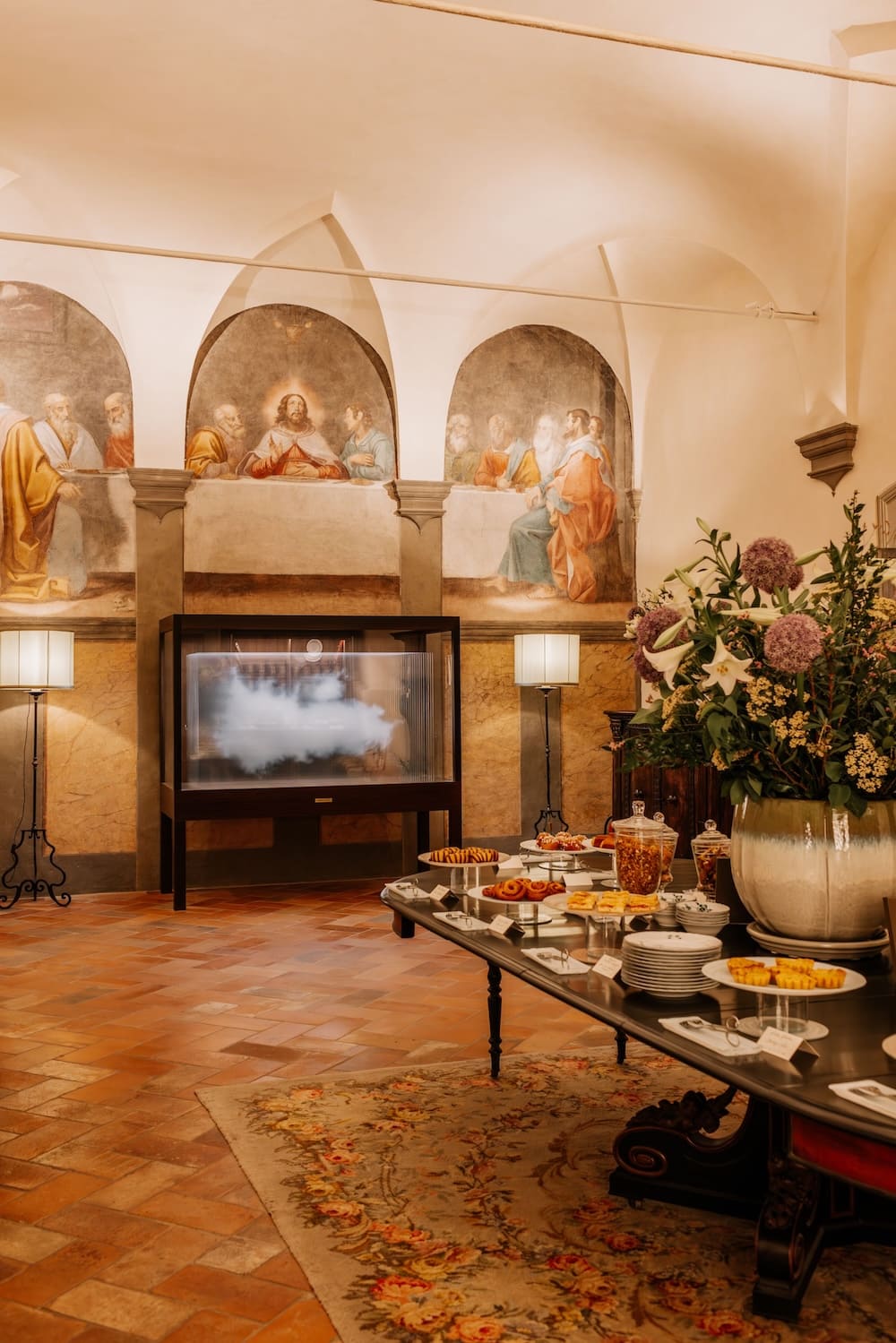
What impressed us most, however, was the ease with which the team accommodated my mother’s vegan diet. Tasting menus were adapted without fuss, alternative dishes appeared seamlessly and every member of staff seemed instinctively aware of what she could and couldn’t eat. It was attentive rather than performative. Breakfast, served in the former monastery dining hall beneath a dramatic fresco, strikes a similarly successful balance between old and new. Alongside Italian pastries, cakes and local specialities sits a contemporary wellness offering of fresh fruit, chia puddings, yoghurts, juices and house-made elixirs, complemented by an extensive à la carte menu. Like the hotel itself, it feels deeply rooted in tradition while remaining entirely in step with how people travel today.
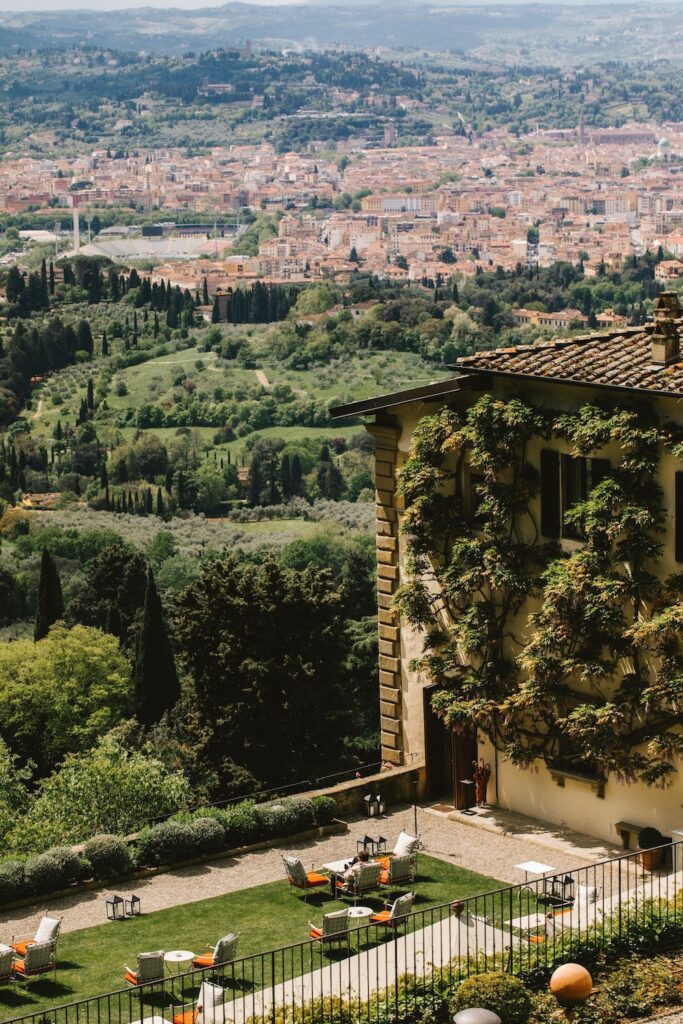
Florence is one of the most beautiful cities in the world, but it is also one of the most visited. Experiencing it from street level often means sharing it with everyone else. Villa San Michele offers a different perspective. From above, the city reveals itself not as a collection of landmarks but as a complete work of art, best appreciated with a little distance.
On our final evening, the light softened across the valley and the rooftops gradually shifted from gold to pink to blue. Around us, conversations slowed, glasses lingered half-finished on tables and nobody seemed in much of a hurry to leave. Six centuries after the first friars settled on these hillsides, travellers are still coming here for exactly the same reason. Not to escape Florence, but to see it properly.
Villa San Michele, A Belmond Hotel
Fiesole, Florence, Italy
Website: belmond.com/villa-san-michele-florence
Instagram: @belmondvillasanmichele

Dubai-based Isabella Craddock is the founder of Near+Far, a founding Academy Chair for The World’s 50 Best Hotels, former Condé Nast Traveller editor and a hotel-obsessed, design-devoted travel planner—for friends, loved ones, and readers alike.





discuss
Email
Pin
Tweet
Share