
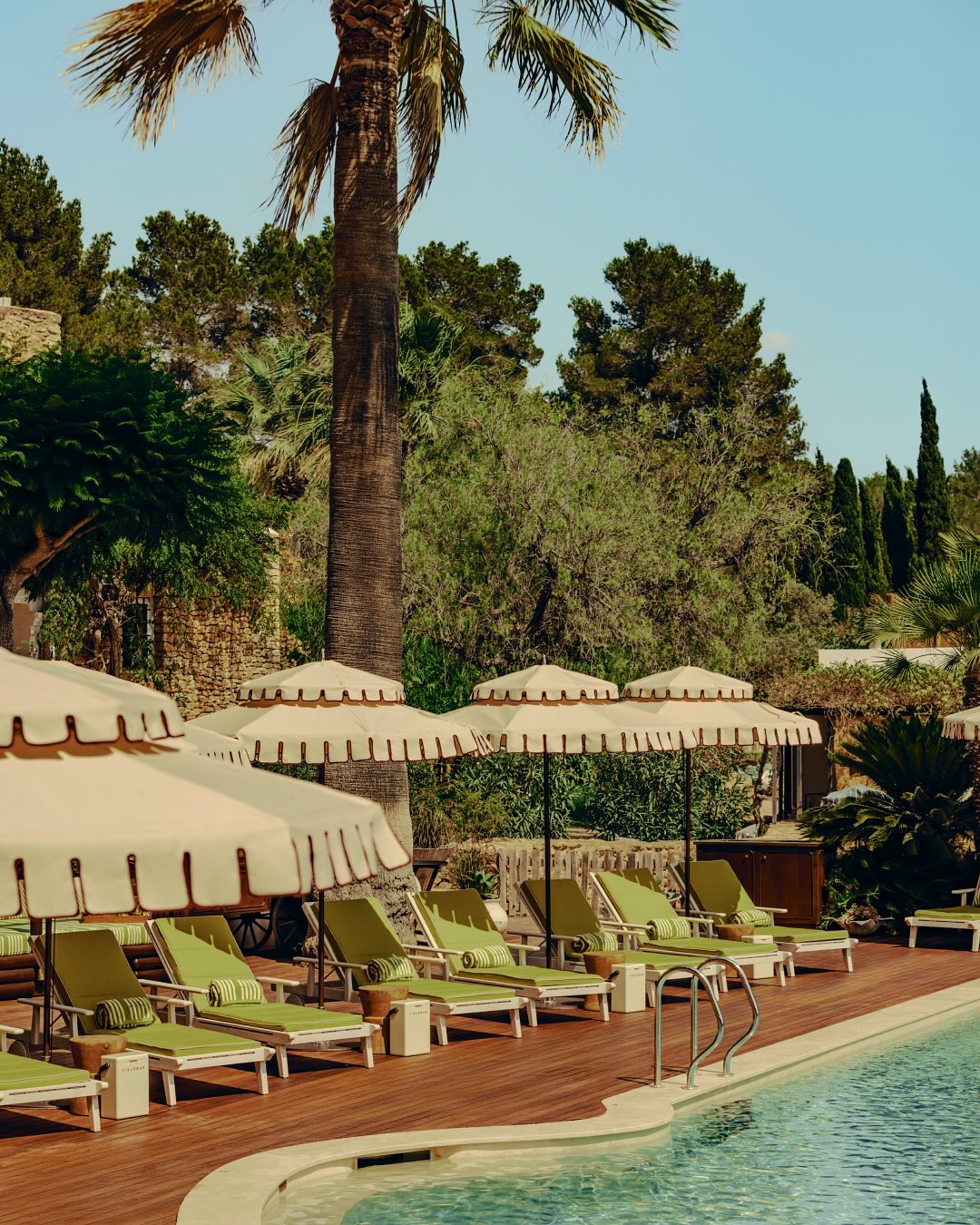
Summer around the Mediterranean never feels the same from one coastline to the next. Some destinations revolve around old fishing harbours and market squares that still come alive each morning, while others are defined by limestone coves, hilltop villages, and beach promenades that stay busy long after sunset.
Kefalonia, Mallorca, Sicily, Corsica, and Ibiza each attract travellers for completely different reasons, yet all share the familiar atmosphere of salt air, dry summer heat, and towns shaped by centuries of trade, migration, and maritime history. The moments people remember most are often the smaller ones: buying fresh fruit beside Palma’s Plaça Major, watching ferries pull in below Corsica’s citadel walls, or wandering through Sicilian streets after the heat of the afternoon finally begins to fade.
Staying near the emerald waters and cliffside villages of Kefalonia
Kefalonia feels larger, quieter, and far less polished than many of the better-known Greek islands, particularly once travellers move beyond Argostoli towards the rugged western coastline. In villages such as Assos, narrow lanes pass faded pastel houses clustered beneath the old Venetian fortress overlooking the harbour. Further south, winding coastal roads above Myrtos Beach cut through steep limestone cliffs and pine-covered hills before descending towards secluded swimming spots around Agia Kyriaki and Petani.
The island’s interior has a totally different atmosphere. Villages such as Valsamata and Faraklata sit among vineyards and cypress trees where old stone houses still show earthquake scars from the 1950s. In Sami, ferries arrive throughout the day beside the waterfront promenade, and the caves at Melissani and Drogarati stay cool even during the hottest afternoons.
Accommodation options across the island range from small guesthouses to larger coastal resorts, though travellers staying for longer periods often prefer villa rentals in Kefalonia, particularly around Fiskardo, Lourdata, and Spartia. These areas place visitors closer to quieter beaches, local tavernas, and traditional villages without the crowds found in the main resort areas. Around Fiskardo, many hillside villas overlook the Ionian Sea above Emplisi Beach, while properties near Lourdata provide easier access to Mount Ainos and the quieter coves scattered along the southern coast.
Discovering the elegant Baroque architecture and coastal towns of Mallorca
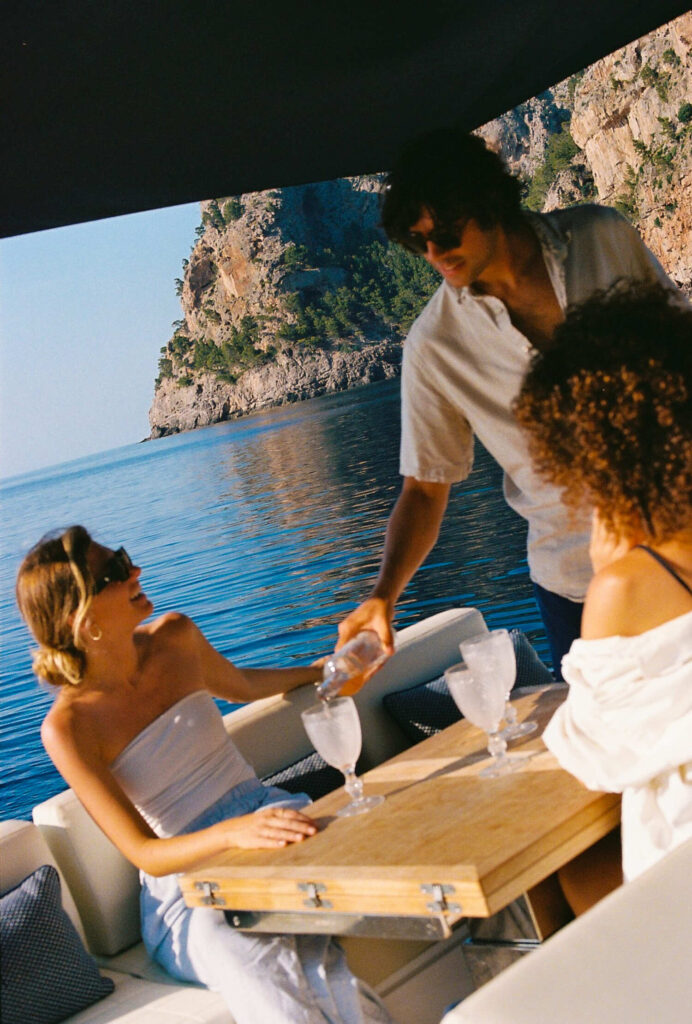
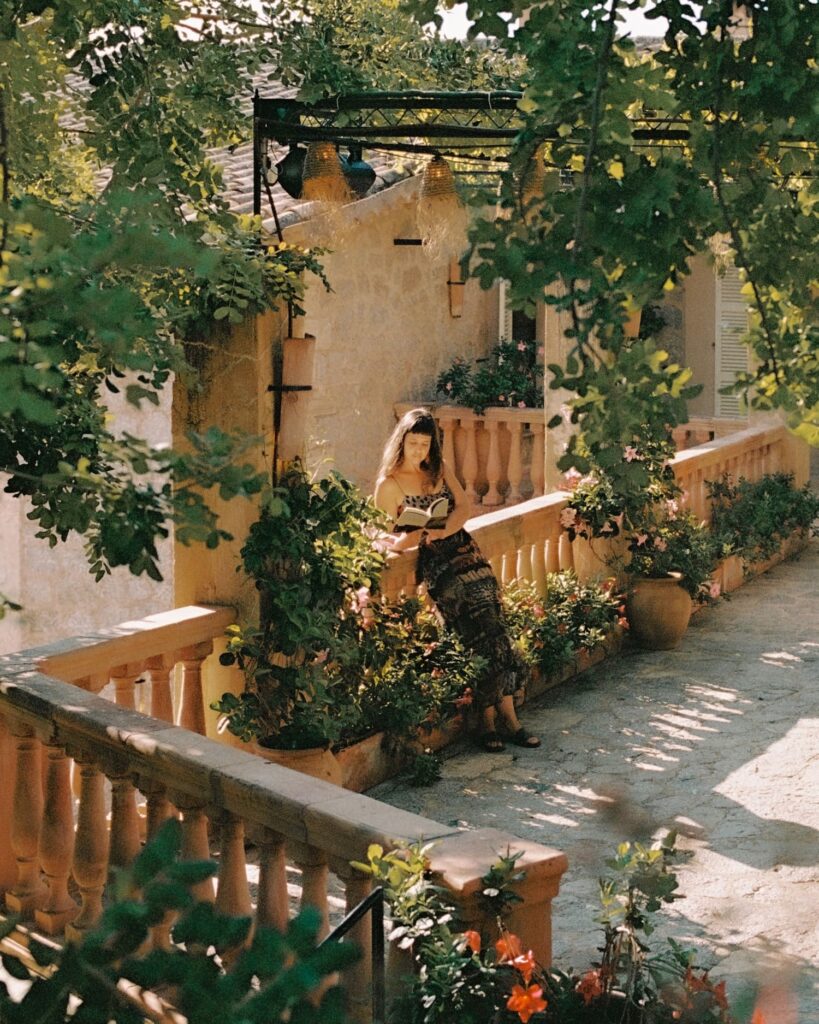
Palma draws most first-time visitors to Mallorca, though the city deserves several full days. The old quarter behind Catedral de Mallorca contains narrow streets lined with carved sandstone buildings, shaded courtyards, and small artisan workshops hidden near Carrer de Sant Feliu. Mercat de l’Olivar stays busy from morning onwards with produce stalls, seafood counters, and local pastries packed into the centre of town.
Along the west coast, towns such as Deià and Valldemossa sit high above rocky coves and terraced hillsides planted with olive trees. The Ma-10 mountain road passes through hairpin bends overlooking the sea before descending towards Sóller, where the old wooden tram still rattles between the town centre and Port de Sóller. Evening crowds gather along Passeig Es Través while small fishing boats move across the harbour below the cliffs.
Mallorca’s eastern coastline feels completely different. Around Cala d’Or and Portocolom, limestone inlets cut deep into the shoreline with small marinas tucked between whitewashed houses and old boat ramps. Sunday markets in towns such as Santanyí attract local families buying ceramics, almonds, and woven baskets beneath the sandstone arcades surrounding Plaça Major.
Exploring the exceptional heritage and historic landmarks of Sicily
Sicily rarely feels the same from one region to the next. Palermo moves at full volume around Ballarò Market and Via Maqueda, where street vendors shout across crowded lanes beneath crumbling balconies and Baroque churches. A few hours away, towns in the Val di Noto carry a completely different atmosphere with honey-coloured buildings rebuilt after the 1693 earthquake. Streets in Ragusa Ibla and Noto stay busy well into the evening once temperatures finally begin to drop.
The roads around Mount Etna pass lava fields, vineyards, and villages rebuilt after eruptions over several centuries. In Catania, dark volcanic stone shapes much of the historic centre around Piazza del Duomo and Via Etnea. Fish markets continue operating beside the cathedral every morning except Sunday, with swordfish and sardines laid across melting ice beneath striped awnings.
Want an easy way to explore historical sites and smaller towns? Look into Sicily small group tours. They are ideal for travellers wanting to avoid navigating the island’s more complicated transport connections independently. Many itineraries include archaeological landmarks like the Valley of the Temples in Agrigento, the Greek theatre in Syracuse, and the Roman mosaics at Villa Romana del Casale near Piazza Armerina. Smaller group tours also allow more time in places such as Cefalù and Ortigia, where narrow streets suddenly open onto old sea walls, quiet courtyards, and small fishing harbours surrounded by layers of medieval, Norman, and Spanish architecture.
Enjoying the turquoise coves and sophisticated beachfronts of Corsica
Corsica carries a stronger French influence than many visitors expect, though Italian traces remain visible across the island’s architecture and food markets. In Bonifacio, tall limestone cliffs rise directly above the marina with old staircases climbing towards the citadel streets overhead. Ferries drift slowly through the narrow harbour entrance while visitors gather near Bastion de l’Étendard overlooking the sea.
Further north, Calvi spreads around a large crescent bay backed by mountains that stay snow-covered well into spring. The waterfront promenade fills with evening crowds walking between the marina and the old citadel walls. Inland roads lead towards villages such as Pigna and Sant’Antonino, where stone houses cluster tightly along steep hillsides above the Balagne region.
Corsica’s beaches often sit far from major towns. Around Porto-Vecchio, roads run through pine forests before reaching Palombaggia and Santa Giulia, where shallow turquoise water stretches across white sandbanks. Smaller coves near Cap Corse stay quieter even in July, especially along the winding coastal road between Nonza and Centuri.
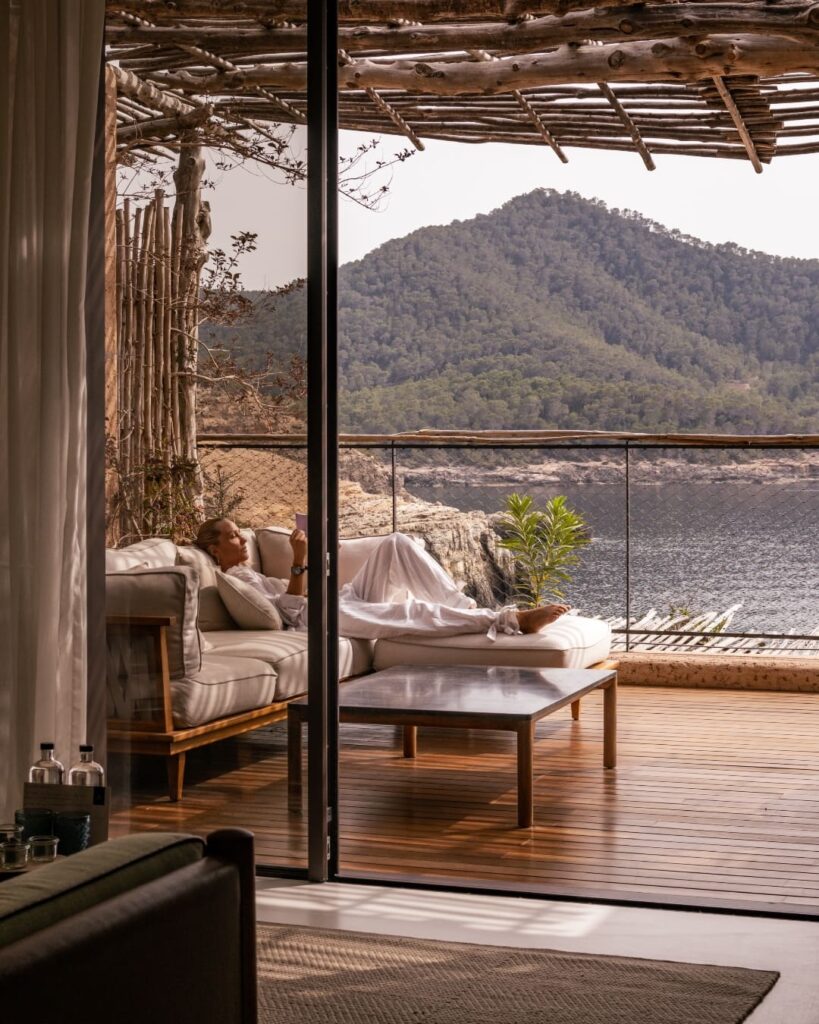
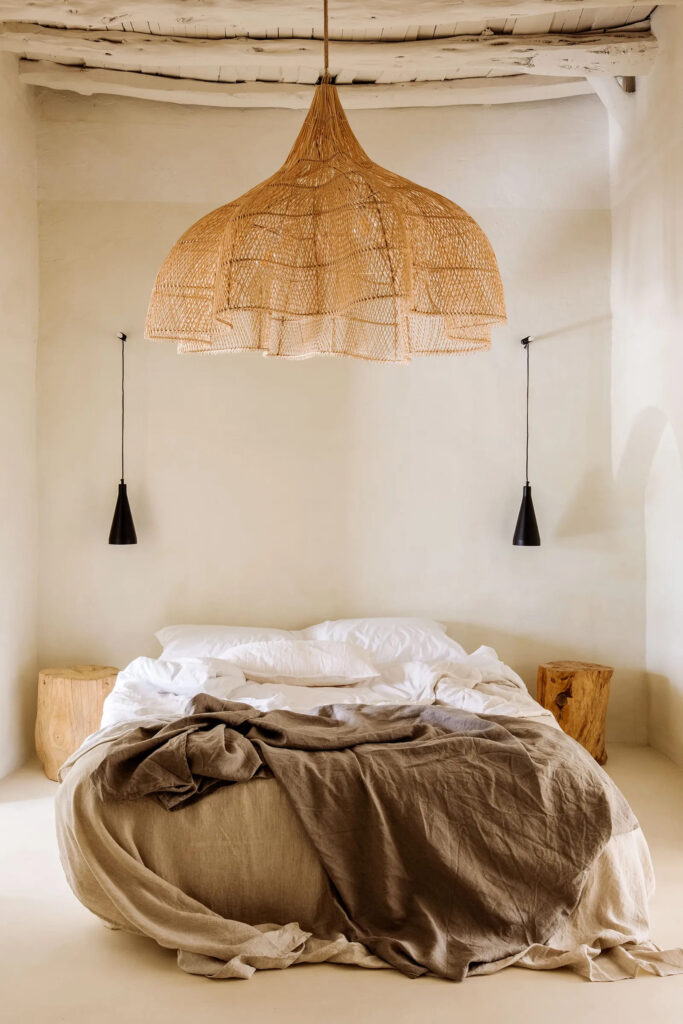
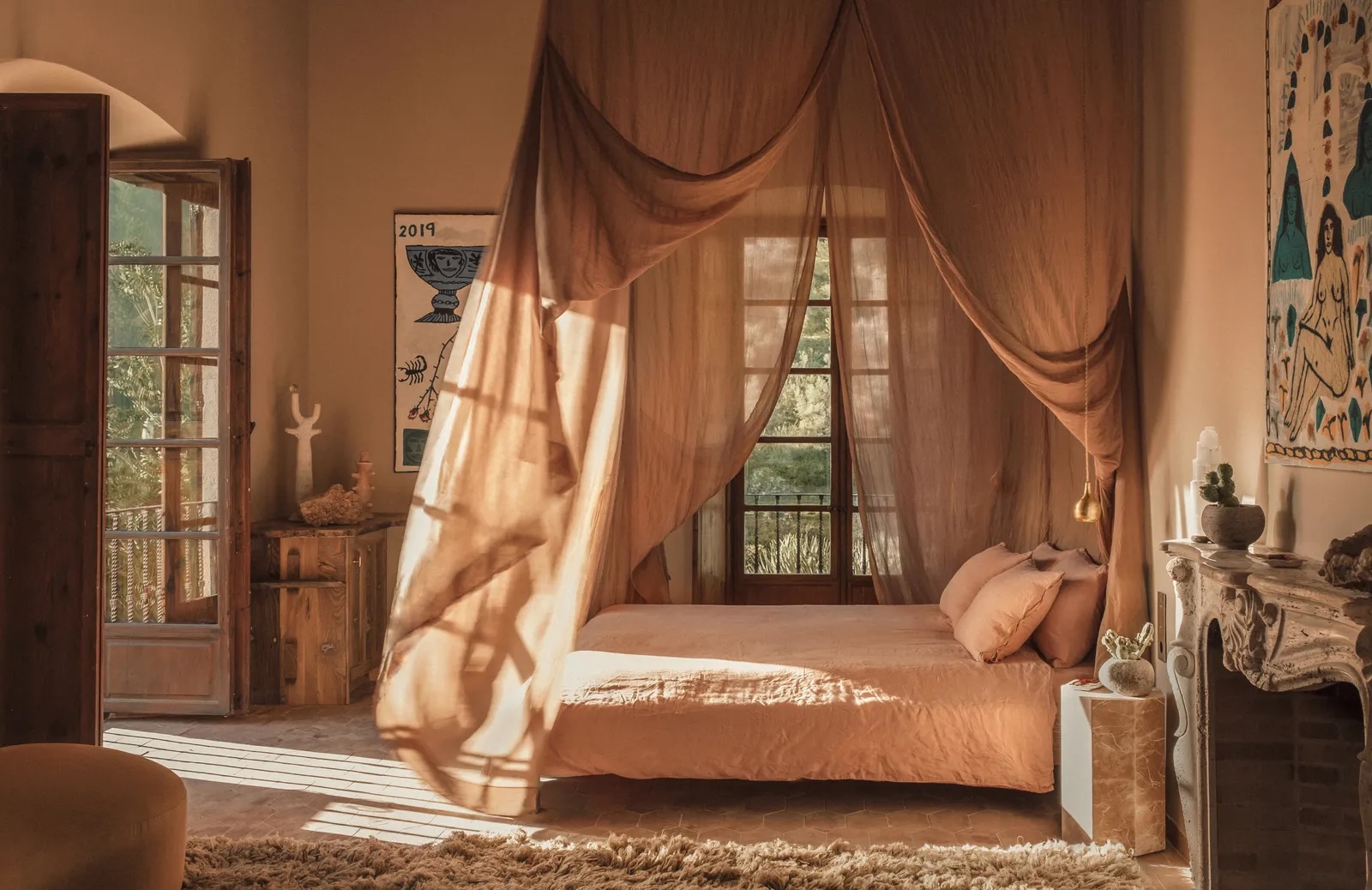
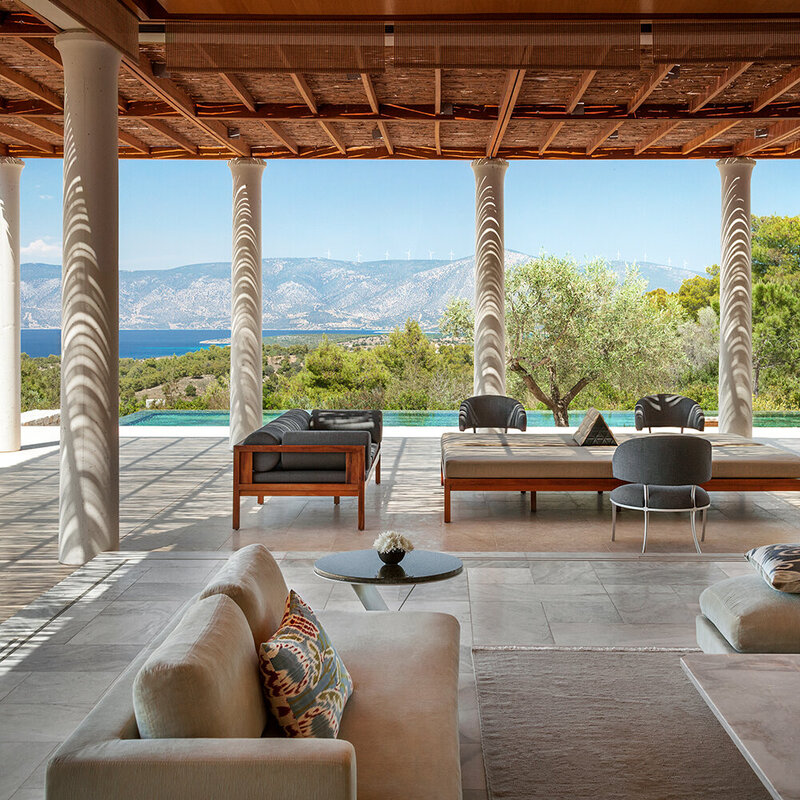
Views from Six Senses Ibiza; a room in a stylish finca (Ana Lui)
Unwinding among the white-washed fishing villages and dramatic cliffs of Ibiza
Ibiza still surprises travellers who only associate the island with nightlife. Large sections of the coastline remain quiet outside the main resort zones, especially in the north near Sant Joan de Labritja and Portinatx. Old stone walls divide dry farmland filled with almond trees and fig orchards, while small villages gather around white churches built centuries ago to protect local communities from pirate raids.
In Ibiza Town, the streets inside Dalt Vila climb steeply past fortified walls and lookout points facing the harbour. During summer evenings, locals and visitors fill the lanes surrounding Plaça de Vila and Carrer de sa Creu while ferries move constantly between Ibiza and Formentera. The covered market near Mercat Vell still sells fresh produce, cured meats, and seafood throughout the week.
Along the western coastline, cliffs near Cala d’Hort face the rocky outline of Es Vedrà rising from the sea. Small coves near Cala Xarraca and Cala d’en Serra attract swimmers and snorkellers searching for quieter stretches of water away from the busiest beaches in Sant Antoni. Inland villages such as Santa Gertrudis continue operating around local bakeries, produce shops, and shaded squares where daily life carries on well beyond the summer crowds.
Which of these beautifully designed Mediterranean destinations will you choose for your next summer getaway?
The Mediterranean becomes far more rewarding once travellers move beyond the obvious beach resorts and busy marina promenades. Kefalonia reveals mountain villages and hidden Ionian coves, Mallorca has historic cities with quieter fishing towns, and Sicily shifts constantly between layers of history stretching from Palermo to Mount Etna. Corsica brings together fortified harbour towns and remote beaches beneath steep mountain landscapes, while Ibiza still holds traditional villages and old coastal roads far removed from the nightlife districts. Each destination carries its own distinct character shaped by geography, architecture, and long-standing local traditions. In the end, it is often the smaller moments and unexpected places that stay with travellers.






discuss
Email
Pin
Tweet
Share