
City breaks stay memorable when travellers move beyond the postcard landmarks and spend time in the parts of a city shaped by everyday routines. The most interesting experiences rarely happen from observation decks or behind long ticket queues. They appear in crowded morning markets before the city fully wakes, along narrow residential lanes where cafés open beside old apartment buildings, and on commuter ferries still carrying locals across busy waterways after the sightseeing boats return to the harbour.
Some destinations leave lasting impressions through grand architecture and museums; others become memorable through waterfront districts, public squares, neighbourhood food stalls, and the quieter streets where daily life continues around the visitors passing through.
Cruising beyond the shrines and neon skylines of Japan
Japan’s cities often feel most impressive from the water. Tokyo Bay cruises pass beneath Rainbow Bridge with clear views towards Odaiba and the towers around Shiodome, while Osaka’s river routes drift beside Dotonbori’s illuminated billboards and crowded canal walkways. Further south, ferries around Hiroshima move quietly between islands dotted with fishing ports and wooded hillsides. Even busy harbour cities such as Kobe and Yokohama reveal a completely different side once viewed from offshore.
Some of the best small ship cruises in Japan follow itineraries that reach ports such as Kanazawa, Hakodate, Nagasaki, and smaller coastal towns rarely included in standard rail-based holidays. These voyages allow passengers to step directly into quieter harbour districts where historic merchant streets, seafood markets, and temple-lined hillsides sit close to the docks. Around Nagasaki, ships weave past scattered islands and former trading ports shaped by centuries of maritime exchange.
Kyoto also pairs surprisingly well with these cruises, especially for travellers wanting time beyond the major port cities. Streets around Gion and Higashiyama remain crowded through most afternoons, though quieter corners appear near Kennin-ji Temple and the narrow lanes behind Yasaka Shrine. At night, the lantern-lit alleys near Pontocho feel completely different once the daytime tour groups disappear.
Uncovering Art Deco faded grandeur in Casablanca
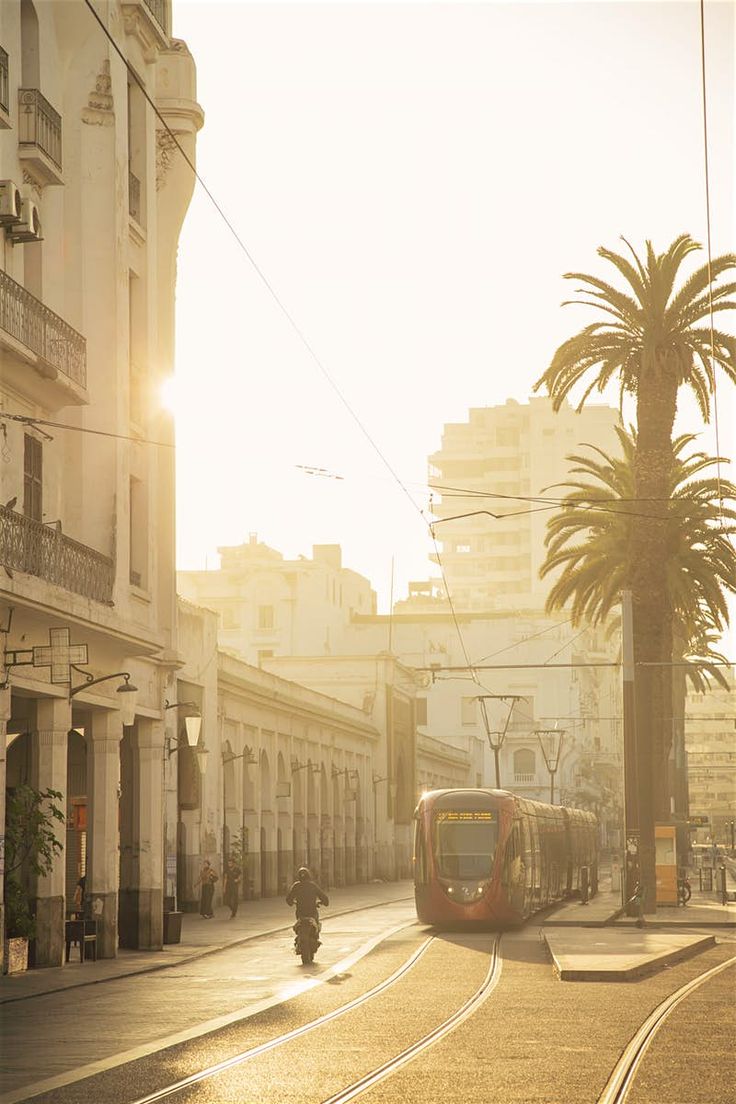
Casablanca feels busy from the moment people step onto Boulevard Mohammed V. Trams rattle past weathered Art Deco apartment blocks, newspaper kiosks spill onto pavements, and side streets near Marché Central stay packed with traders calling across vegetable stalls and fish counters. The city rarely reveals its charm straight away. Its appeal comes from paying attention to the details scattered across the older districts.
The walk between Place des Nations Unies and Parc de la Ligue Arabe reveals some of the city’s best surviving architecture from the French Protectorate period. Several façades still carry curved balconies, geometric ironwork, and faded pastel colours above busy storefronts. Cinema Rialto, one of Casablanca’s best-known landmarks, still stands near the junction with Rue Mohammed El Qorri despite decades of change around the neighbourhood.
Outside the city centre, Hassan II Mosque dominates the Atlantic coastline with its enormous minaret visible from almost every direction along Boulevard de la Corniche. Late afternoons around the seawall draw local families, street musicians, and football games beside the crashing surf. Further inland, the Habous Quarter shows another side of Casablanca, with narrow passageways lined by spice shops, leather goods, and old book stalls tucked beneath stone archways.
Scouting royal palaces and secret island lanes in Stockholm
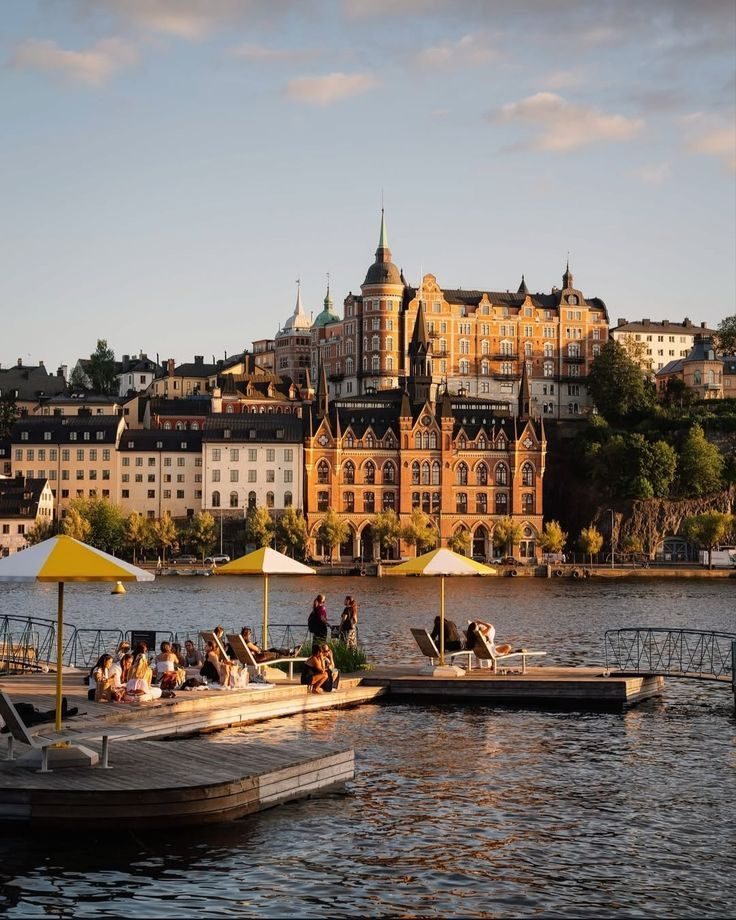
Stockholm spreads across so many islands that the city constantly changes depending on where people wander. Gamla Stan still draws crowds towards Stortorget and the Royal Palace, though the quieter lanes behind Västerlånggatan feel much calmer once the souvenir shops thin out. Narrow staircases climb between ochre-coloured buildings, and small courtyards appear unexpectedly behind heavy wooden gates.
Booking private tours in Stockholm allows visitors to experience far more than the usual palace ceremonies and crowded museum districts. Guides often introduce travellers to quieter parts of the city that many visitors miss entirely. On Djurgården, wooded walking paths lead towards old boatyards, hidden waterfront picnic areas, and quieter stretches beside the canal. In Södermalm, steep backstreets lined with independent boutiques, cafés, and apartment buildings overlook the waters of Riddarfjärden. Some tours also include short ferry crossings to islands such as Fjäderholmarna or Skeppsholmen.
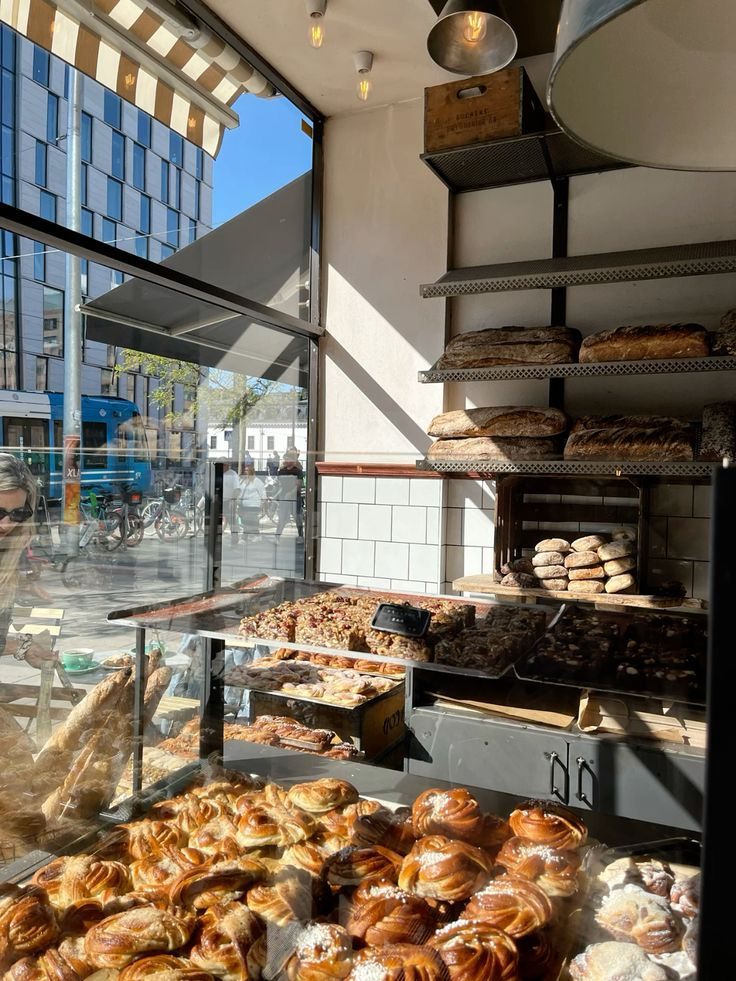
Kungsträdgården stays busy through summer evenings with open-air events and food stands beneath rows of trees. Strandvägen remains one of the city’s grandest promenades, lined with historic apartment buildings and moored boats. Around Östermalmshallen, locals queue for smoked fish, cured meats, and pastries inside the nineteenth-century market hall.
Stepping through mythic ruins and sun-drenched plazas in Athens
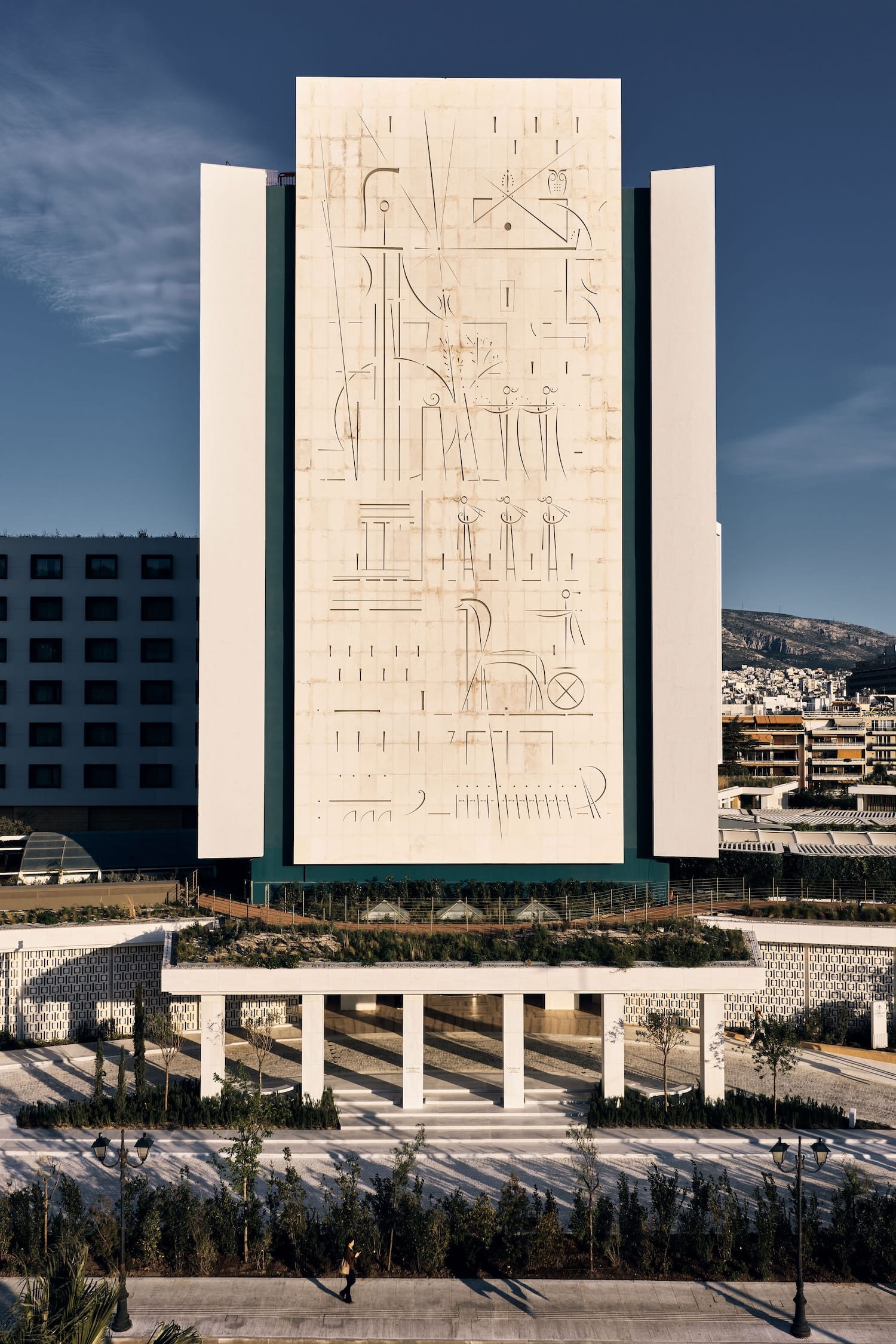
Athens carries ancient history directly into the middle of modern traffic and apartment blocks. The Acropolis rises above nearly every district, though the streets below often leave a stronger impression than the monuments themselves. Around Anafiotika, tiny whitewashed houses sit beneath tangled bougainvillaea and steep stone stairways that feel completely disconnected from the busy roads surrounding Plaka.
Monastiraki Square stays crowded from morning until late evening with market traders, street performers, and rooftop terraces overlooking the Parthenon. Nearby, Ermou Street fills with shoppers moving between Byzantine churches and old neoclassical buildings wedged into the commercial centre. The flea market around Ifestou Street sells antique furniture, vinyl records, military memorabilia, and piles of old books spread across folding tables.
Further south, the Stavros Niarchos Foundation Cultural Centre has become one of the city’s busiest public spaces. Locals cycle through the surrounding parklands and gather near the canal during warmer evenings. The National Archaeological Museum also deserves far more time than many visitors give it. Entire halls display sculptures, gold masks, and frescoes recovered from sites across mainland Greece and the islands. After several days in Athens, the city starts to feel much more layered than its reputation suggests.
Chasing Street Food and Modernist Marvels in Bangkok
Bangkok rarely slows down. Sukhumvit Road stays packed with traffic deep into the night, market stalls spill onto pavements around Yaowarat Road, and longtail boats continue weaving through canals beside crumbling wooden homes and luxury condominiums. The city tends to overlap old and new in ways that feel chaotic at first and completely normal after a few days.
Street food remains one of the main reasons people return. Areas near Victory Monument and Nang Loeng Market draw huge lunchtime crowds for noodle soups, grilled seafood, curries, and freshly sliced tropical fruit served from tiny roadside kitchens. Evening food markets near Ratchada become especially lively after sunset, once the heat begins easing across the city.
Bangkok’s architecture also surprises many first-time visitors. The sweeping rooflines of Wat Pho and the Grand Palace still dominate the historic centre near the Chao Phraya River, with modernist landmarks from the mid-twentieth century appearing across Silom and Sathorn districts. The Bangkok Art and Culture Centre near Pathum Wan regularly hosts photography exhibitions and independent galleries that many tourists completely miss while rushing between temples and shopping centres.
Which of these incredible city adventures will you cross off your travel bucket list first?
Some cities impress immediately with their famous landmarks, while others reveal themselves slowly through ordinary streets, harbour views, public squares, and neighbourhood markets. Tokyo’s skyline looks completely different from the water at night; Casablanca still carries traces of its colonial architecture beneath the modern traffic, and Stockholm’s islands create quiet corners in a capital city. Athens keeps ancient history woven into daily life around crowded junctions and apartment blocks, while Bangkok balances temples, towers, and street food stalls without ever feeling polished. Each of these destinations rewards curiosity far more than ticking off attractions from a guidebook.







discuss
Email
Pin
Tweet
Share