

A large black-and-white photograph by David Yarrow hangs in a quiet corner of Badrutt’s Palace Hotel. Taken during White Turf in 2023, it shows the Renaissance Bar (the hotel’s legendary cocktail and cigar den) at full tilt: impeccably dressed staff, glamorous figures with a faint 1960s air, a jockey astride his horse improbably positioned indoors, and familiar Palace faces – the managing director, a concierge, the head bartender – woven into the scene. It is busy, choreographed and unmistakably Badrutt’s. Yarrow’s recent series reads like a contemporary counterpart to Slim Aarons, capturing St Moritz not as nostalgia but as something still very much alive. Glamour, yes, but with humour and personality.
That confidence defines a stay here. Badrutt’s Palace is impeccably turned out, socially magnetic and deeply assured, yet never stiff or precious. It operates like a well-dressed family that has been hosting the world for generations. If St Moritz has a beating heart, this is it – and if there is such a thing as a real-life winter fairytale, this might be it too.
Featured image: © Enrico Costantini

Why book Badrutt’s Palace, St Moritz
St Moritz is home to several storied, old-world hotels, some offering greater seclusion or quieter luxury. But Badrutt’s Palace Hotel is the address. Sitting directly on the lake and at the centre of town, its turreted silhouette has anchored St Moritz since 1896, helping shape its identity as the birthplace of winter tourism and alpine society.
Over the decades, the Palace has drawn artists, musicians and cultural figures who settled in rather than passed through. Alfred Hitchcock was a regular, as were figures from European royalty to creative icons such as John Lennon. That history is quietly absorbed into the fabric of the hotel, from its grand public spaces to a handful of historic suites that favour atmosphere over novelty.
Today, the Palace is as relevant as ever. Days move between indoor and outdoor swimming pools, a serious spa, bars and a late-night basement club, with a ski shop, luxury boutiques, tennis and padel courts all woven into the experience. Rooms span ornate, lake-facing classics and calmer, contemporary spaces in newer wings, while dining stretches from the Palace itself to long-established addresses such as Matsuhisa and Chesa Veglia. Held together by long-serving staff and intuitive service, Badrutt’s Palace remains not just an icon, but the social and cultural heart of St Moritz, across seasons and generations.


Location
St Moritz has never chased mass appeal. It is assured, selective and quietly self-possessed, a place long associated with old money, serious sport and style. This is the St Moritz captured by Slim Aarons – champagne on snow, fur-trimmed collars, skiers poised against vast alpine light – and one that generations of fashion families, industrialists and aristocrats continue to return to.
Badrutt’s Palace sits at the heart of town, overlooking Lake St Moritz and anchoring the social scene. In winter, when the lake freezes, it becomes the stage for White Turf, where horse racing, polo and even car racing unfold on ice, drawing the town together. Milan is a comfortable 2.5 to three-hour drive, while the Bernina Express offers one of Europe’s most scenic rail journeys and Zurich connects easily by train. Once arrived, the Palace’s central position means slopes, shops and restaurants are all within easy reach.
Rooms and suites
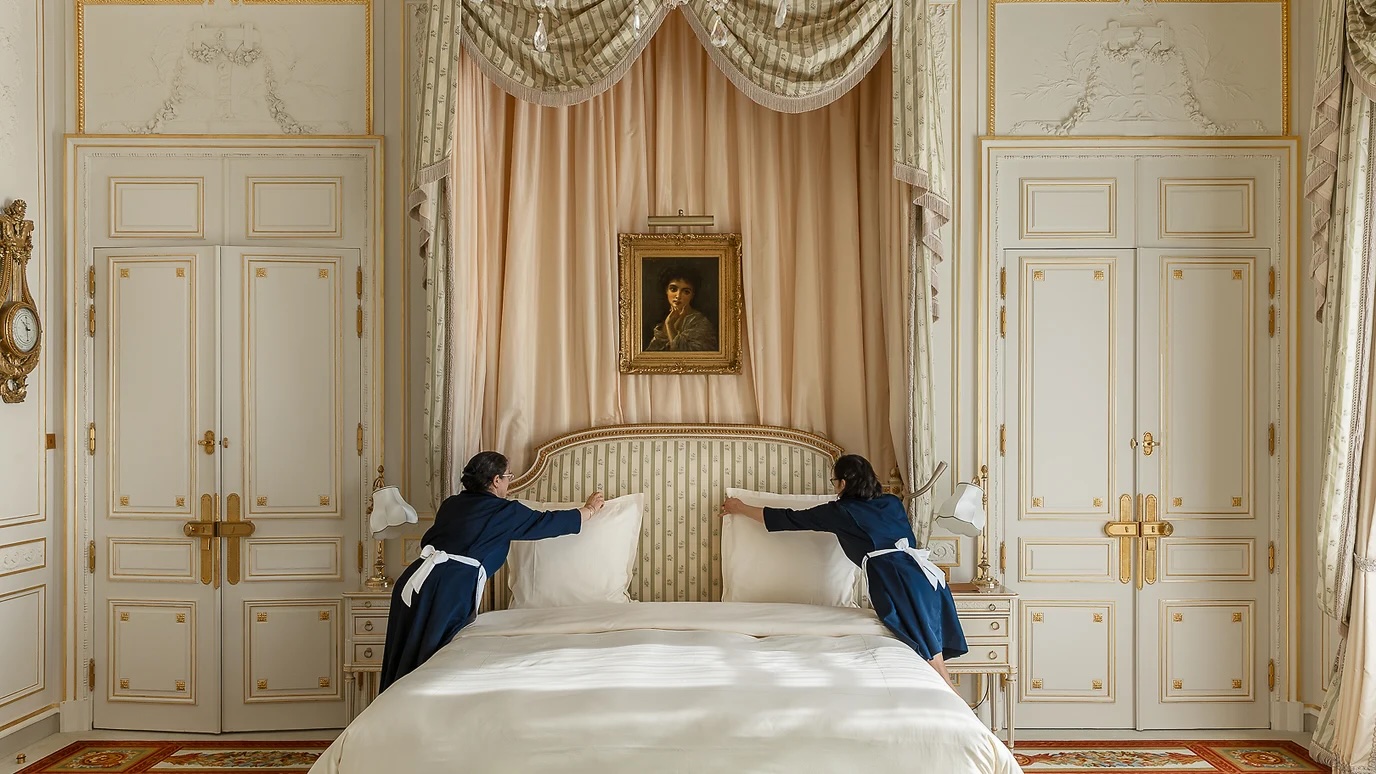
Accommodation at Badrutt’s Palace Hotel spans two distinct moods. In the original Palace building, rooms lean into classic alpine grandeur, with rich fabrics, ornate detailing and sweeping views over Lake St Moritz. These are unapologetically old-world spaces, layered rather than styled, and designed for lingering rather than novelty.


The newer Serlas Wing offers a quieter, contemporary contrast. Designed by Milan-based architects Antonio Citterio and Patricia Viel of ACPV ARCHITECTS (renowned for their work with Bvlgari Hotels), the rooms favour soft hues, muted lighting and tactile materials such as oak, stone and Loro Piana Interiors textiles. Located across the street and accessed via an underground walkway, the wing looks back towards the Palace itself, offering one of the hotel’s most striking perspectives – the ultimate portrait of St Moritz’s most recognisable landmark.
The most memorable stays, however, come from the Palace’s historic and signature suites. The Tower Penthouse Apartment occupies the top three floors of the iconic turret, a four-bedroom private residence with balconies, curated artworks and panoramic alpine views. The Hans and Helen Badrutt Suites reflect a more classical grandeur, with marble bathrooms, grand pianos and expansive lake-facing terraces. Most evocative is the Alfred Hitchcock Suite, where the director, a long-time regular, is said to have found inspiration for The Birds – a space that feels less like a hotel suite and more like a living fragment of St Moritz history.


Food and drink
Anyone who has spent time on Instagram during ski season will recognise the image: a skier caught mid-air, a tray of champagne raised against a blinding alpine backdrop. That photograph, made famous by Tony Kelly, was taken at Paradiso. Badrutt’s Palace’s piste-side outpost is ski-in theatre at its most compelling. Long, sun-soaked lunches unfold in the more refined restaurant, while the deck leans unapologetically hedonistic, with DJs, dancing and champagne-fuelled afternoons that drift effortlessly into evening. It is mythic, unmistakably St Moritz, and central to the Palace’s winter identity.


Back at the hotel, dining spans an unusually broad register yet feels cohesive rather than sprawling. Matsuhisa sits comfortably within the Palace, housed in the former indoor tennis courts and given a distinctly alpine sensibility. Chesa Veglia, a historic Swiss farmhouse in town, remains one of the resort’s most atmospheric addresses. Its pizzeria is deceptively casual and notoriously hard to book, while the Polo Bar is the natural gathering point for a pre-dinner Negroni, late-afternoon conversations and the kind of social cross-pollination St Moritz has always thrived on. For classic French fine dining, Le Relais delivers formality without stiffness and service of another era.
No matter how tired you are from skiing, it is important to end the night at the Renaissance Bar. Slightly too bright, smoky and always alive, it is where deals are quietly discussed, friendships are cemented and the social fabric of St Moritz reveals itself night after night. For something later still, King’s Social House offers a polished reinvention of Switzerland’s oldest nightclub. A final note goes to Head Pastry Chef Stefan, part of the Palace for over 25 years, whose work appears everywhere from in-room surprises to elaborate celebrations, reinforcing the continuity that defines the hotel.


Spa and facilities
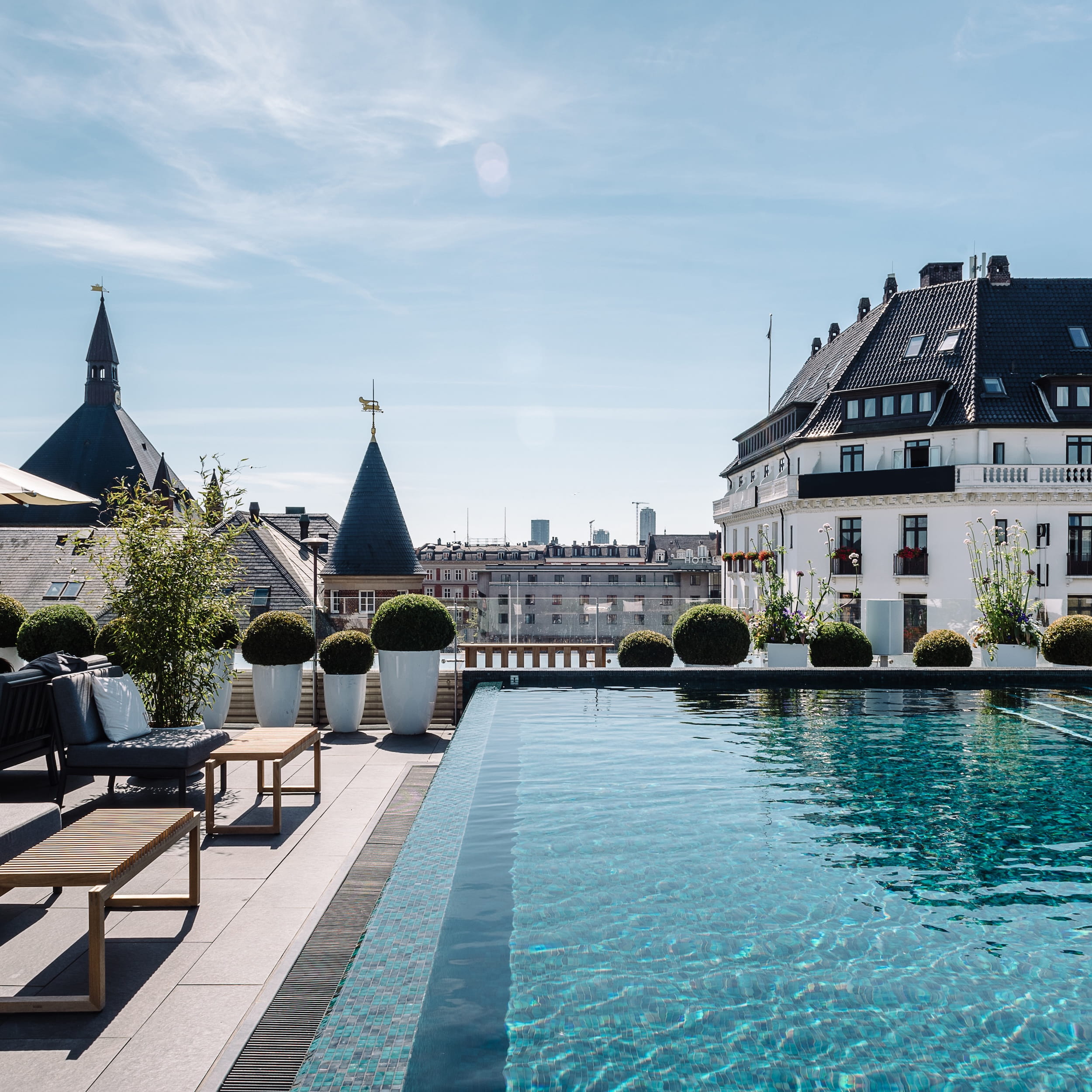
The spa is among the most impressive in the Alps. Facilities include multiple saunas, steam rooms and cold plunges, alongside a dramatic indoor-outdoor pool experience that allows guests to swim through a glass panel into a heated outdoor pool overlooking the lake and hotel façade. Treatment rooms are discreet and well appointed, while summer brings tennis and padel courts into focus. Everything is designed to encourage lingering rather than rushing, whether post-ski or as a destination in its own right.
For families
Badrutt’s Palace is quietly one of the Alps’ most accomplished family hotels. The children’s club is thoughtfully run, while the newly introduced teens’ room is a genuine highlight. Accessed via a hidden door, it opens into a dark, immersive space filled with games and dramatic details, including theatrical smoke on entry. It feels playful, cinematic and refreshingly considered.


Badrutt’s Palace in Winter
Winter remains the Palace’s most iconic season. Christmas and New Year are marked with major celebrations, while the hotel plays a central role in the town’s winter calendar, including White Turf and ice-based events. The ski room, operated in partnership with a specialist rental company, removes friction entirely. Equipment can be rented, stored and even delivered directly to the slopes, making skiing remarkably seamless despite the town’s rail-based layout.
Badrutt’s Palace in Summer
What surprises many is just how compelling the Palace is in summer. As southern Europe heats up, St Moritz offers fresh air, alpine lakes and long days outdoors. Lawns fill with sun loungers, the outdoor pool becomes a focal point, and tennis and padel courts are in constant use. It’s relaxed, social and quietly glamorous, without the intensity of winter.
The verdict
Badrutt’s Palace is not simply the most iconic hotel in St Moritz; it is the one that continues to define it. Confident without being showy, expansive without losing coherence, it offers a version of alpine luxury that feels lived in, deeply assured and increasingly rare. Staying here is less about ticking off a legend and more about stepping into one – for a few days, or ideally, much longer.
Badrutt’s Palace Hotel; Via Serlas 27, 7500 St Moritz, Switzerland; badruttspalace.com | @badruttspalace; Rooms typically start from around CHF 1,800–2,000+ per night in winter (January peak) and from CHF 1,400–1,800+ in summer

Dubai-based Isabella Craddock is the founder of Near+Far, a founding Academy Chair for The World’s 50 Best Hotels, former Condé Nast Traveller editor and a hotel-obsessed, design-devoted travel planner—for friends, loved ones, and readers alike.



discuss
Email
Pin
Tweet
Share