

‘Jordan has been one of the places where two things came to pass very early on: olive oil and bread.’
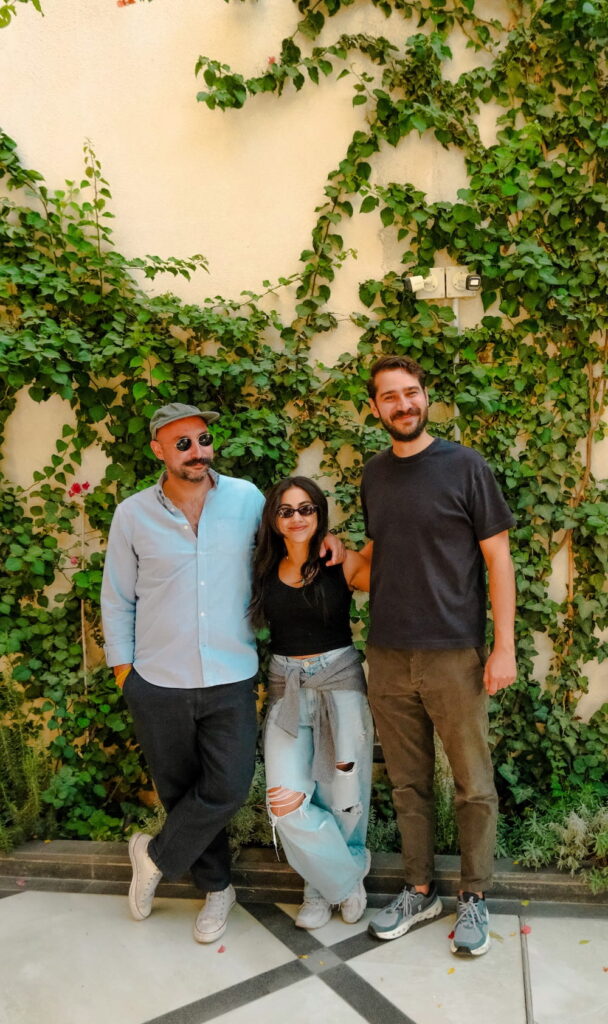
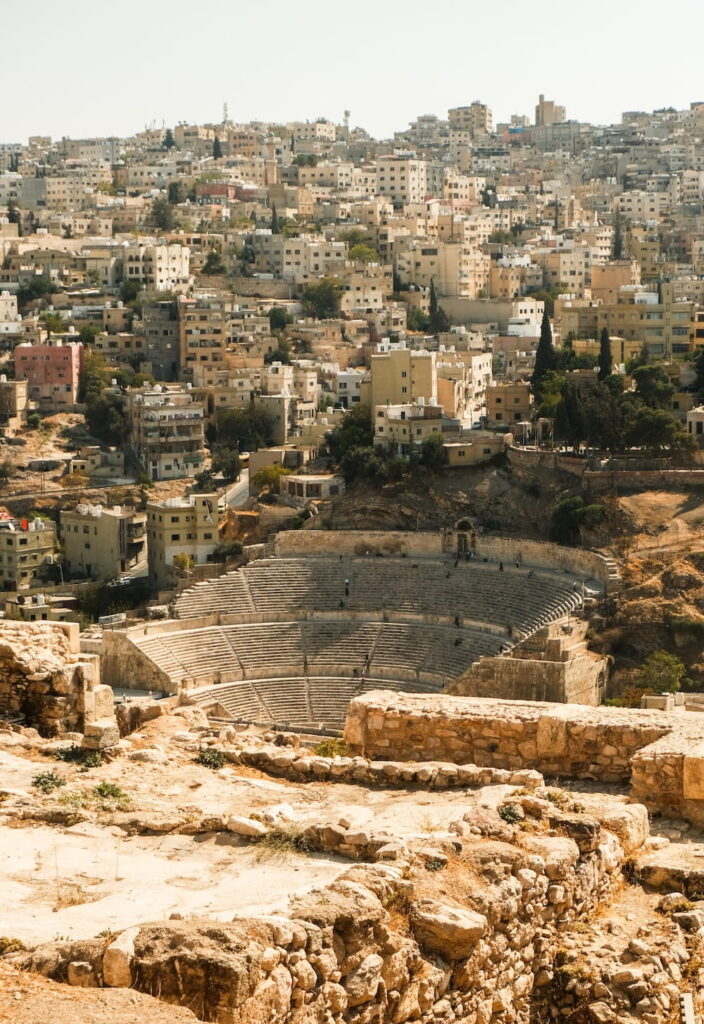
I came to Jordan thinking I knew what to expect. I had read about Petra, of course, and the Roman ruins of the Amman citadel. What I had not fully reckoned with was the food. The olive oil pressed from trees older than most civilisations. The bread baked on hot stones in wood-fired ovens. The wine scene being rebuilt, bottle by careful bottle, by people who care about it with a depth that would embarrass most European sommeliers. And at the centre of all of it: a Palestinian-Jordanian chef who left Dubai at the height of her international career to come home and prove a point.
Jordan has always had extraordinary produce. What it needed was someone to tell the story properly.
The restaurant
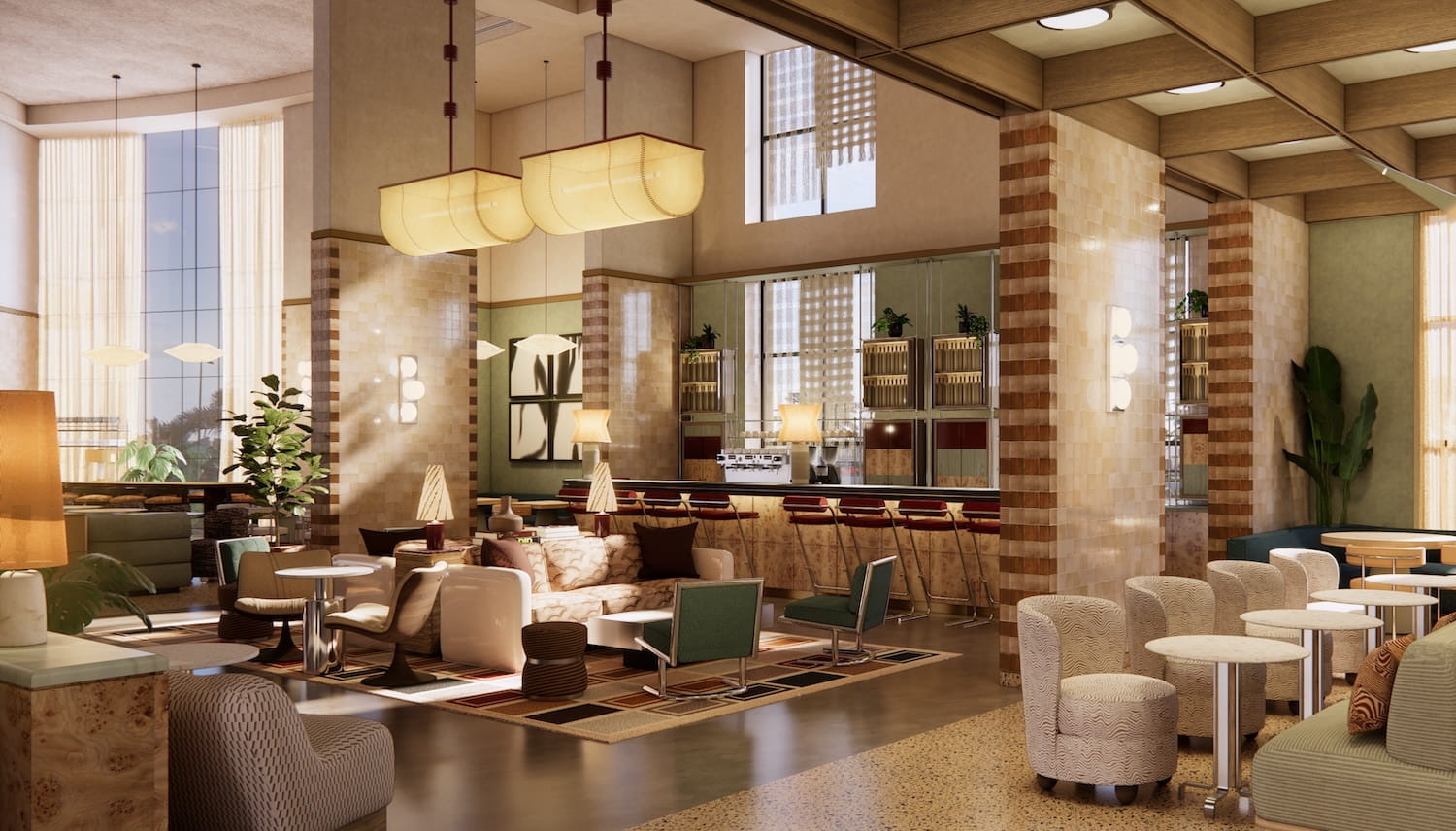
Dara Dining by Sara Aqel sits in a restored 1958 villa in central Amman, its name meaning “home” in Arabic, which tells you everything about the intention behind it. The original tiles are still there. The glass in some of the windows is original. The layout of the house, rooms opening onto rooms, is largely unchanged: it simply now has a fully operational kitchen running one of the most considered tasting menus in the region, a lush garden for al fresco dining, and an attached boutique wine shop that functions as the restaurant’s cellar, with guests guided by certified sommeliers to choose their bottle and drink it at retail price alongside their meal.
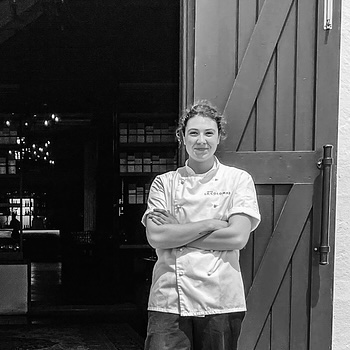
Aqel’s path back to Amman was not the obvious one. Born in Palestine, raised in Jordan, she left at 18 to study at Les Roches in Switzerland, then worked at the Hong Kong Jockey Club, then the Burj Al Arab, then trained under Massimo Bottura at his former Dubai outpost, Torno Subito. In Dubai, she became chef de cuisine of Fi’lia at SLS Dubai: the first fully female-led restaurant in the Middle East, which earned a Michelin Bib Gourmand, Best New Restaurant in the Middle East from La Liste, and a Gault & Millau listing within its first year. By 26, she was global executive chef, overseeing kitchens in Dubai, Miami and the Bahamas.
Then she came home.
‘In Jordan, we have everything we need to create and innovate,” she says. “Four seasons, amazing produce and passionate farmers. We just need to realise our potential, create memorable experiences and help the community share a seat at the table.’
Ranked No. 30 in MENA’s 50 Best Restaurants 2026, Dara is doing exactly that.
Day One: Wine, shawarma and a lesson in how to eat like an Ammani
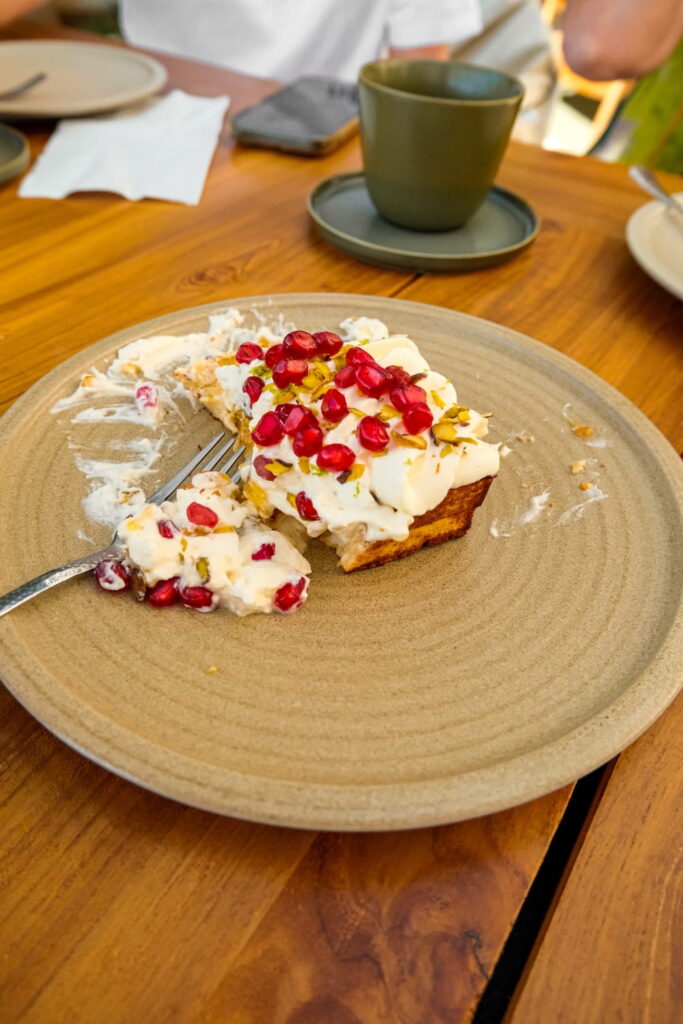
The trip began, fittingly, with wine. Lana Alamat, Dara’s co-founder and the architect of its extraordinary wine programme, led a tasting and food pairing class in Dara’s private dining room: ceviche, baked feta, a charcuterie board and pear cake, each dish shifting in character as different wines moved alongside them. It is one of those simple, slightly revelatory experiences — the way a crisp white opens up a plate of fish, the way a roasted red softens the salt of cured meat — that makes you rethink every meal you have eaten without thinking about what was in the glass.
Dara is one of the only restaurants in Jordan that imports its wine directly, visiting every winery before a single case is bought. The result is a list of unusual depth and genuine personality: small organic producers, artisanal distilleries, bottles you will not find anywhere else in the country. “We’ve worked hard to build a wine culture rooted in genuine love for craftsmanship,” Alamat says. “For years, with a team of dedicated sommeliers, we’ve been committed to changing how wine is consumed and appreciated in our country.”
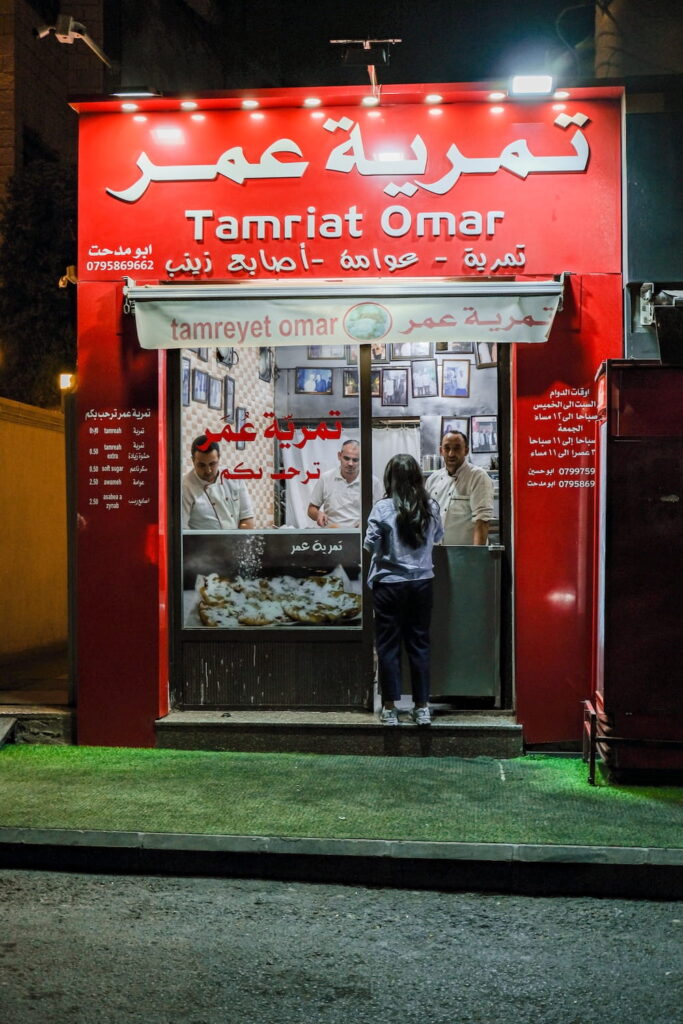
That evening, a guide took us downtown, to the oldest shawarma stall in Amman: meat carved at the counter, eaten standing on the pavement. Then to Tamriat Omar for Tamriyeh, a traditional sweet, and kanafeh — that extraordinary Levantine pastry of shredded dough and soft cheese — bought from one place and topped with gelato from another, eaten sitting along a wall in the warm night air. Spice shops, corn charred on hot coals from a street vendor, clothing stores full of fabric and noise. Chef Sara had warned us that we would see the city as its residents actually live in it, not as a tourist attraction. She was right. It was the best evening of the trip.
Day Two: Bees, bread and a lunch that changed how I think about olive oil
The second day began at Bulbul, a new Amman eatery not yet officially open, named after the bird. Platters of small bites, dips and flatbreads made from locally sourced ingredients. Egg dishes, salads, a signature French toast. The kitchen uses no deep fat fryers, only olive oil or house-made ghee from grass-fed butter, and no refined sugar anywhere. “We only use honey,” the team explained, matter-of-factly, as if this were entirely obvious.
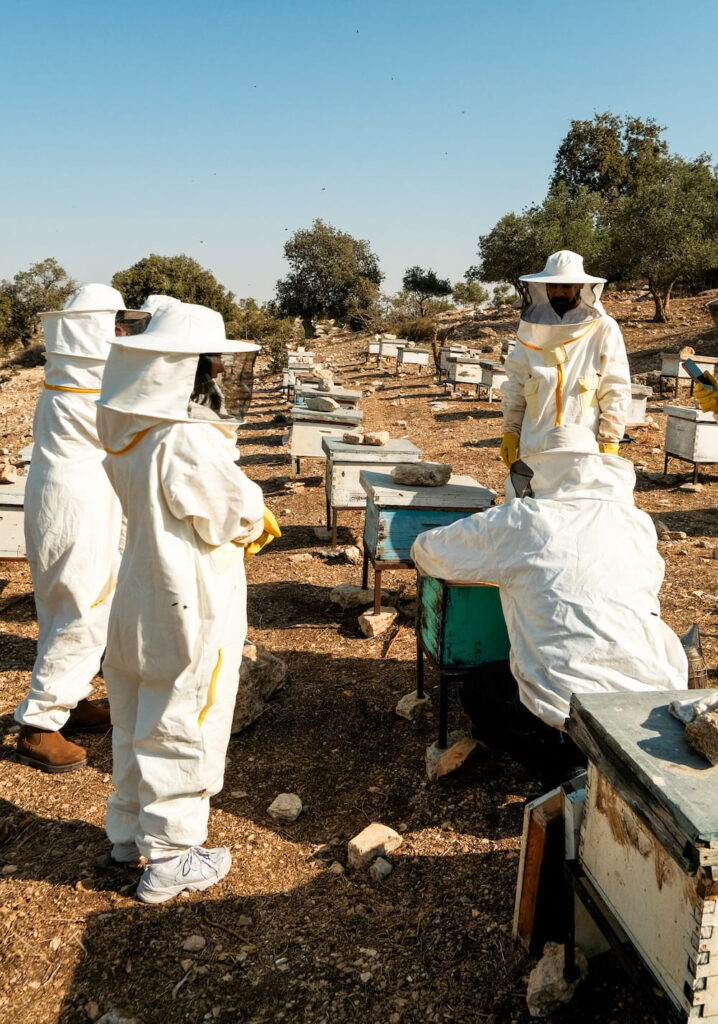
From Amman we drove north to Um Qais and Beit al Baraka, a centre providing employment for divorced and widowed women, where pomegranate juice — pressed fresh, because the fruits were in season and everywhere — was pressed into our hands the moment we arrived. There we met Youssif, a beekeeper who has spent his life in conversation with his hives. He saved two Jordanian dinars at the age of 12, negotiated for an hour, bought his first hive and watched it die within a week. His brothers helped him buy another. Now he tends colonies whose bees gather pollen from thorny desert plants and sparse flowers, producing honey with a flavour unlike anything from more fertile climates: more herbaceous than floral, greener, stranger, better. We tasted the spring honey alongside the thorny honey and the difference between them was as pronounced as two different wines.
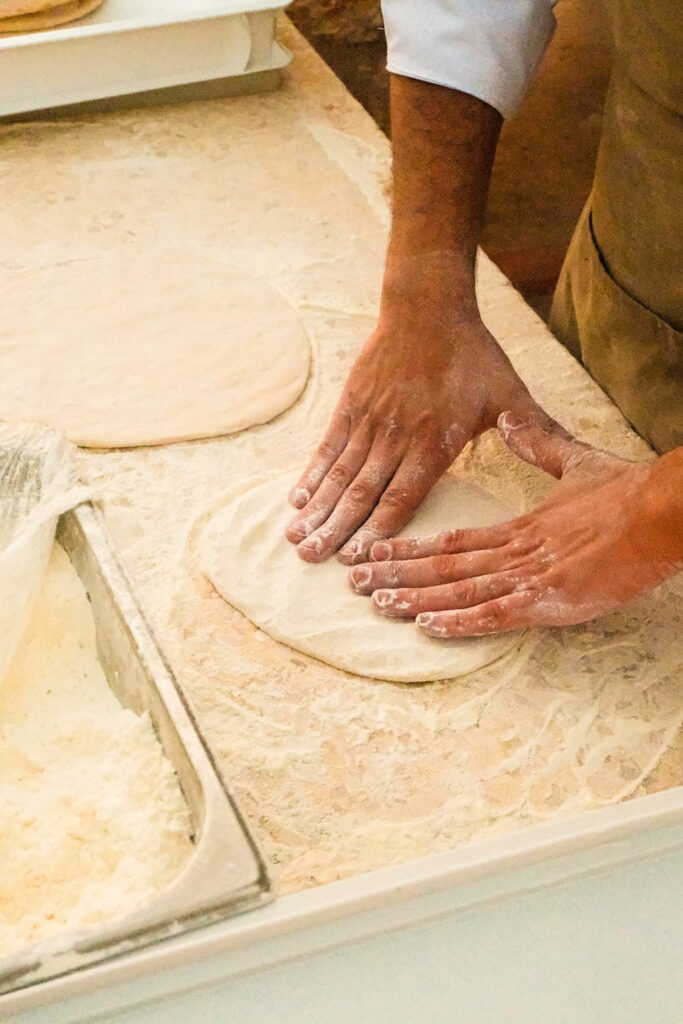
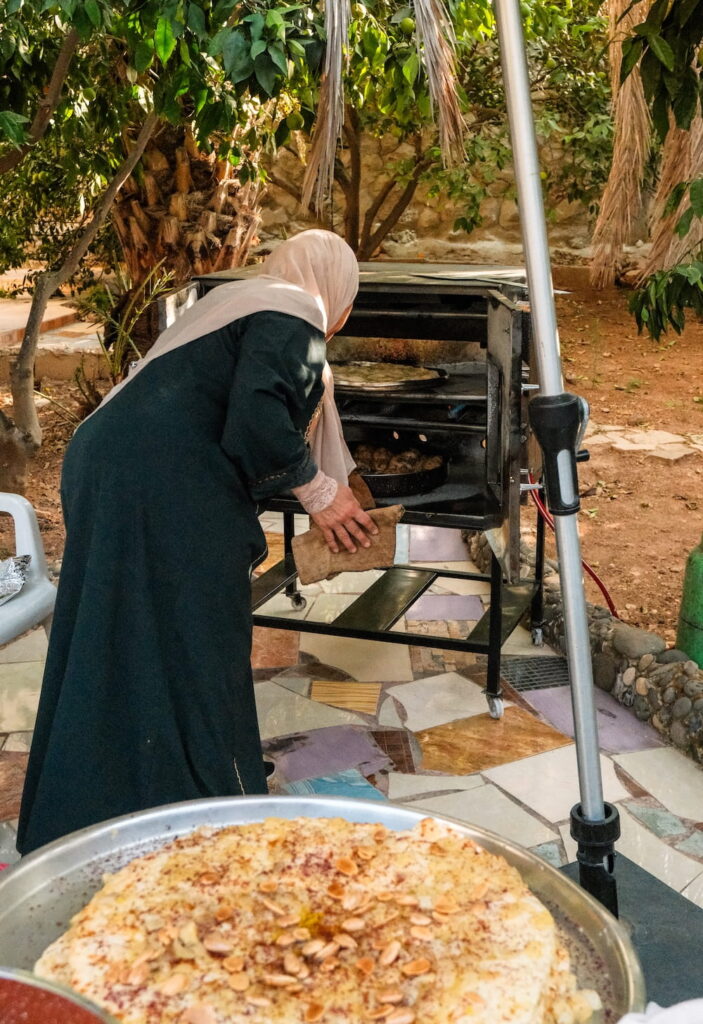
Lunch was back at the women’s centre: Musakhan, the traditional Jordanian dish of flatbread layered with confit onion cooked in olive oil, sumac, almond slices and roasted chicken, finished with yet more oil. We watched the bread made: dough pressed onto hot stones in the wood-fired oven, brushed with olive oil, cooked from both sides. Warak Enab, stuffed vine leaves, alongside salads and dips. Dessert was mahalabia, a milk pudding, and hareeseh coconut cake. Then we went up to the roof and looked out across the borders of Palestine, Jordan and Syria: one farm spanning all three, no patrol, just mountainous land going quietly about its business.
Day Three: Raw Smith, the citadel, and an olive harvest dinner under the stars
The morning started at Rumi Café, in the artsy, hippie sector of Amman that the city’s creative class has quietly claimed as its own. Coffee, manakish, the Levantine flatbread topped with za’atar and cheese, with dips and spreads across the table. Then to Raw Smith, a coffee laboratory where the process of choosing your beans, smelling through the entire selection, watching the brew measured and temperature-controlled, and finally drinking from a wine glass to fully experience the aromas, felt less like ordering a coffee and more like a small act of serious attention. The kind of place that makes you realise how carelessly most of us consume things we could be tasting.
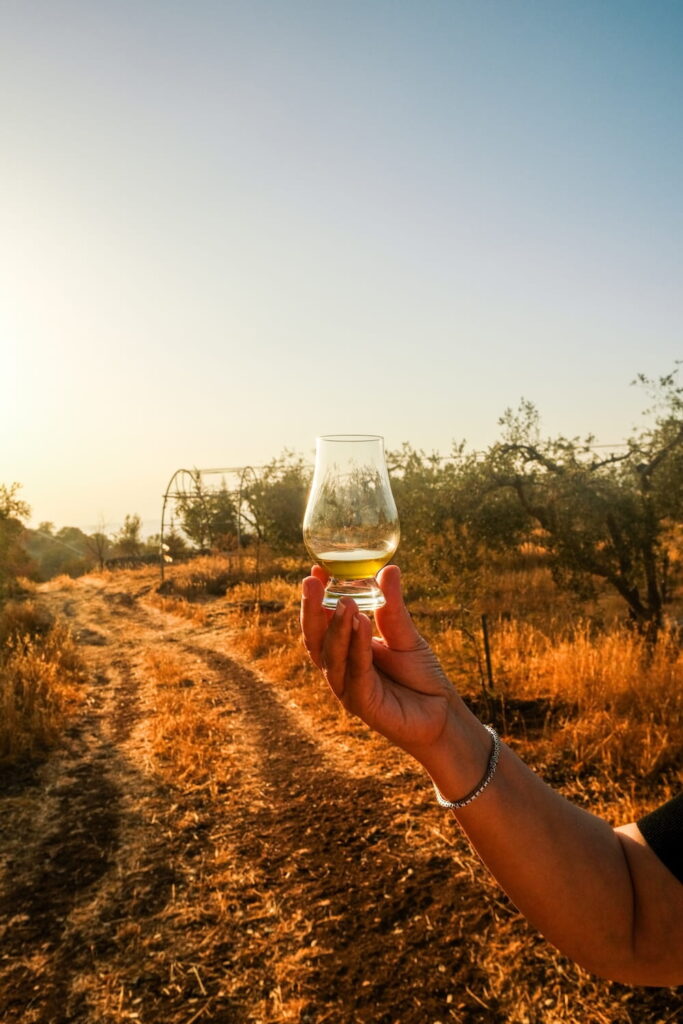
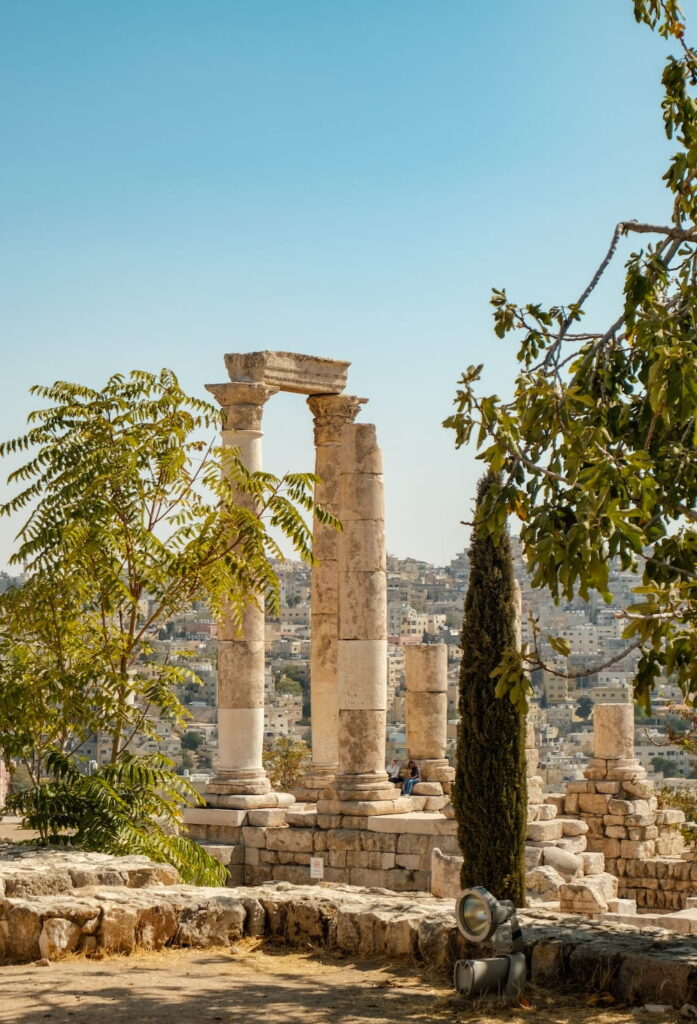
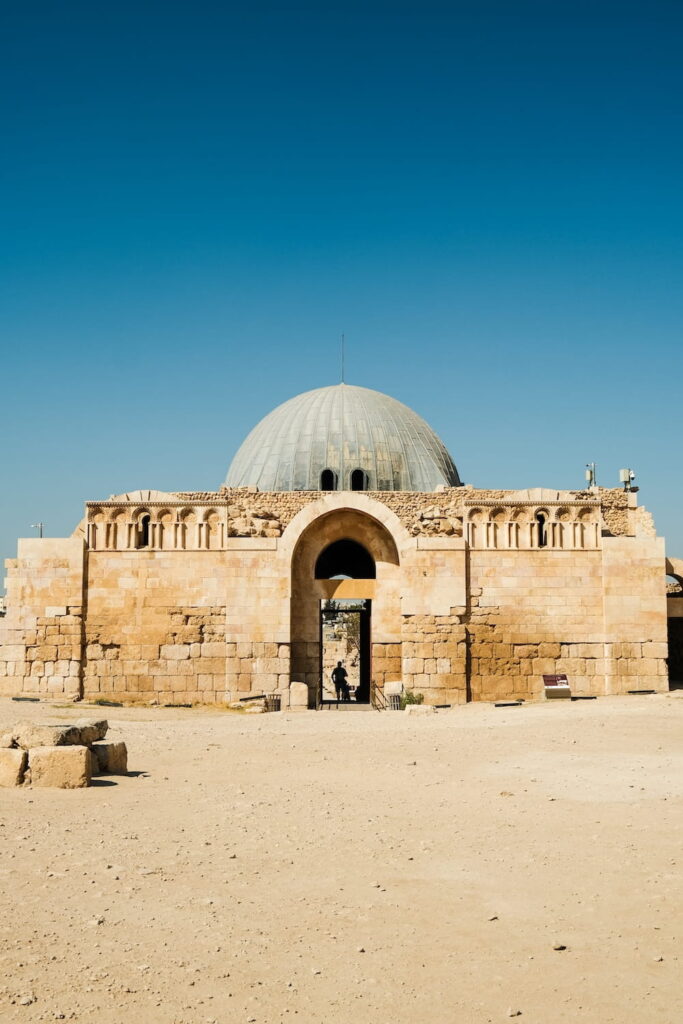
After the Amman citadel, its ruins of mosque and church and temple stacked in improbable proximity, we drove to the family olive farm for the harvest dinner. It began with an olive oil tasting: oil from last season, deep and settled and complex, alongside oil pressed just ten days ago, vivid green and sharp and almost aggressive. Nabali olives, one of the oldest cultivars in the world, seven to eight thousand years old, growing in Jordanian terrain as they have always grown. This year’s harvest was small because of the dry season. The oil, as a result, was exceptionally concentrated in flavour: fewer bottles, higher price, worth every dirham.
As the sun went down across the grove, we moved to the terrace of the main house. Gin, tea extract and sparkling water as the sky turned. Then Lana spoke about the wines for the evening, moving through the courses, and Sara spoke about the harvest and what it means to her: the role olive oil plays in Jordanian food historically and now, the produce her country offers and how little of it the world has yet discovered. Her passion for the ingredients, the farmers, the land, is not performed. It is simply the thing that drives her, visibly and completely.
Dinner was a seasonal tasting menu built entirely around olive oil and olives, using only what was in the ground around us. Then, after the main courses, we moved to the fire. Dessert was eaten around a bonfire, plates balanced on knees, the night warm enough to sit outside long after the meal had ended. It was, as endings go, close to perfect.
Why Jordan, why now
Jordan’s food scene has been building quietly for years, largely below the radar of the international culinary press. That is changing. Dara’s placement in MENA’s 50 Best is part of it, but so is a broader shift: a generation of Jordanian chefs and producers who have worked internationally and come home, bringing with them technical precision and a renewed belief in what their country’s land can offer.
The olive oil is extraordinary. The bread tradition is ancient and alive. The wine scene, still small, is being built with a seriousness and passion that most established wine countries would recognise. And the hospitality, which anyone who has spent time in Jordan already knows, is as warm and generous as anywhere on earth.
Most people come for Petra. They leave talking about the food. Some of them, like me, leave already thinking about when they can come back.
All photography by Stephanie Hodson
Dara Dining by Sara Aqel, Al-Mutanabbi St. 46, Amman. dara.jo. The trip was hosted by the Jordan Tourism Board.



discuss
Email
Pin
Tweet
Share