
Travelling through the Americas can mean completely different things from one trip to the next. One trip might centre around family villas and theme parks, while another involves spotting wildlife from a boat in the Amazon or hiking beneath glaciers in southern Argentina. That’s part of the appeal. The region stretches across huge distances and covers an extraordinary mix of climates, landscapes and cultures.
Florida’s entertainment districts, Costa Rica’s rainforests, Ecuador’s volcanic highlands, Colombia’s colourful cities and Patagonia’s remote wilderness all attract different types of visitors. Some destinations suit families travelling together; others draw wildlife enthusiasts or keen hikers.
Orlando, Florida: The Ultimate Villa Getaway for Families and Groups
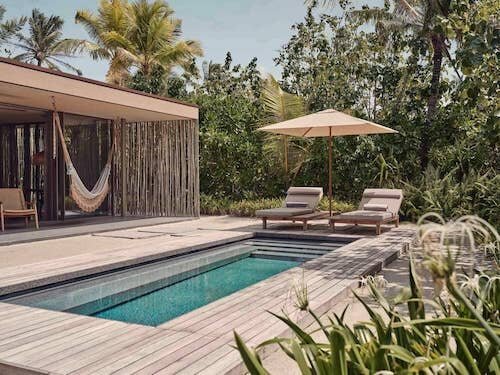
Orlando works particularly well for larger groups because much of the accommodation here is built around that type of getaway. Parents, grandparents and children can stay together in one property without feeling crowded, which isn’t always easy to find in traditional hotels. Around Kissimmee, Davenport and Reunion, residential communities are filled with spacious rental homes designed for extended stays, often with multiple bedrooms, large communal living areas and private pools screened from neighbouring properties.
Families planning several days at Walt Disney World and Universal Orlando Resort often choose premier Orlando vacation rentals because they provide far more space than a standard hotel room. Large kitchens make it easier to handle breakfasts before heading to the parks, while multiple living areas, themed children’s bedrooms, games rooms and private swimming pools help everyone spread out at the end of the day. Many of these homes are located in communities close to Disney and other major attractions, with US-192 lined with supermarkets, pharmacies and other practical essentials for longer stays.
Away from rollercoasters and character meet-and-greets, Orlando has quieter corners worth exploring. Winter Park’s Park Avenue is pleasant for an afternoon walk, especially around the chain of lakes nearby. Downtown, Lake Eola attracts joggers, dog walkers and office workers taking lunch breaks beneath the trees. On Saturday mornings, the farmers’ market in Winter Park can become surprisingly busy before midday.
Costa Rica: Rainforest Lodges, Wildlife and Pacific Coastlines
Costa Rica is one of the most varied destinations in the Americas. Within a few hours, the landscape can change from misty mountain forest to a stretch of Pacific coastline lined with surfboards and fishing boats.
Around Arenal, trails weave through dense vegetation beneath the volcano. Early mornings are often the best time to spot wildlife. Coatis occasionally appear beside paths, while toucans and parrots move through the trees overhead. Hanging bridge walks provide a different perspective, looking down across the forest canopy rather than up from the ground.
The Caribbean side of the country has a different character altogether, particularly around Tortuguero, where boats are often the main mode of transport. Further west, beaches around Tamarindo and Santa Teresa draw surfers throughout the year. Manuel Antonio remains popular despite its relatively small size. Monkeys regularly gather near the beach entrances, and raccoons have become remarkably skilled at stealing unattended snacks. In San José, the Central Market still functions as a working market first and a visitor attraction second.
Ecuador: Galápagos Wildlife, Andean Volcanoes and Amazon Jungle
Ecuador covers an impressive amount of ground for a country of its size. A journey can begin among colonial buildings in the Andes and finish deep in the Amazon rainforest within days.
An incredible trip to Ecuador often starts in Quito, where steep streets climb through the historic centre beneath the shadow of surrounding mountains. Around Plaza Grande, daily life unfolds alongside government buildings and centuries-old churches. A short drive south brings travellers towards Cotopaxi National Park, where wild horses graze across open plains, and the volcano dominates almost every view. The weather can change quickly here. A bright morning can easily turn into sleet by afternoon.
The Galápagos Islands remain one of the country’s most distinctive experiences. On Santa Cruz, sea lions sleep beside fishing boats around Puerto Ayora. Marine iguanas gather on black volcanic rocks along coastal walkways, completely unfazed by passing pedestrians. Back on the mainland, river towns such as Tena serve as gateways into the Amazon, where transport often involves motorised canoes travelling along muddy jungle waterways.
Colombia: Cities, Coffee Country and Caribbean Beaches
Colombia covers a surprising amount of variety within its borders. One week might include mountain cities, coffee-growing valleys and Caribbean beaches without covering huge distances.
Bogotá sits more than 2,600 metres above sea level, and visitors often notice the altitude before anything else. In La Candelaria, narrow streets are lined with colourful facades, bookshops and small museums. Paloquemao Market provides a glimpse into everyday Colombian life, with vendors arranging exotic fruit into enormous displays while locals shop for the week’s groceries.
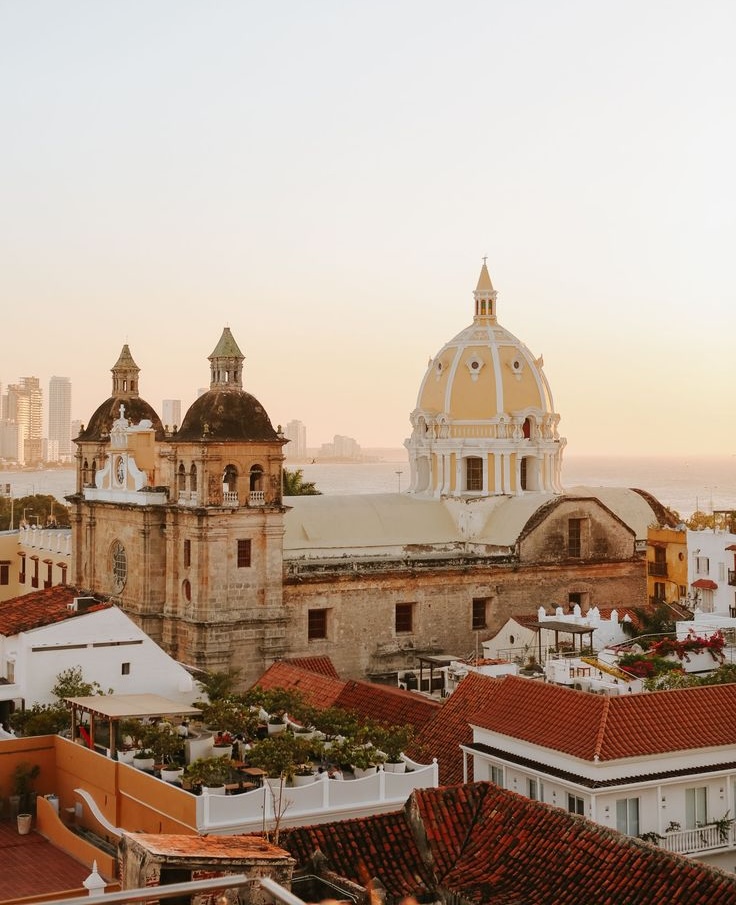
Further south, Salento remains one of the most visited towns in the Coffee Region. Jeeps known locally as willys still transport passengers into the surrounding countryside. Nearby Cocora Valley is famous for its wax palms, some rising over 60 metres into the air. Cartagena feels completely different. Inside the old city walls, plazas fill during the evening as temperatures become more comfortable. Beyond the historic centre, the streets of Getsemaní are often busy with residents gathering outdoors long after sunset.
Patagonia, Argentina: Wild Landscapes for the Adventure Traveller
Patagonia looks large on a map, and it feels even bigger in person. Long stretches of road pass through open terrain with very little development in sight.
Most visitors heading to Los Glaciares National Park stay in El Calafate. Perito Moreno Glacier is the headline attraction, but it still manages to surprise people when they first see it. The viewing walkways cover several levels, and loud cracking sounds echo across the water throughout the day as sections of ice shift and break apart.
El Chaltén sits a few hours north and attracts walkers from around the world. Trails begin directly from town, which means hikers leave before sunrise carrying flasks of coffee and extra layers. Strong winds are part of daily life here. Shop signs rattle, doors slam unexpectedly, and weather forecasts can change several times in a single day. Guanacos frequently appear beside roads outside town, often standing completely still as vehicles pass.
Which destination in the Americas is calling your name?
The Americas contain an enormous range of travel experiences. Some trips revolve around family villas near Orlando’s theme parks. Others focus on wildlife encounters in Costa Rica, sea lions in the Galápagos, colourful neighbourhoods in Colombia or glacier-filled landscapes in Patagonia.
Part of what makes these destinations memorable is how different they feel from one another. A morning spent watching monkeys in a rainforest and a day walking beneath Fitz Roy belong to the same continent, yet they couldn’t be more different. That’s what keeps people returning to this part of the world. There is always another landscape, another city or another stretch of coastline waiting further down the map.












discuss
Email
Pin
Tweet
Share