
Luxury travel has shifted away from set itineraries and towards how smoothly a place can be experienced on the ground. The difference often comes down to how routes connect, how accessible certain landscapes are, and how much of the journey flows naturally.
In some places, that means reliable train lines that link towns without detours; in others, it’s about knowing where roads end and boats or small aircraft take over. These details shape how much of a destination is actually within reach once you’re there.
The destinations below aren’t just visually impressive; they stand out because of how they’re navigated, whether that’s by rail, on foot, or across open water.
Bespoke Alpine experiences throughout Switzerland
Switzerland’s layout makes it unusually easy to move between very different Alpine regions in a short time. Starting in Zürich, trains run directly from the Hauptbahnhof toward Lucerne, where the lakefront promenade connects to boat routes heading deeper into the mountains. From there, the line toward Interlaken passes through towns like Meiringen, where cable cars link up to higher hiking areas without needing a car.
Further south, St. Moritz and the Engadin Valley feel more spread out, but the rail connections remain reliable. The Bernina Express route cuts across into Poschiavo, with glacier views that sit right alongside the track.
The great private tours of Switzerland often follow similar routes but with greater flexibility around timing and stops, especially when combining alpine rail journeys with access to quieter valleys like Surselva or Lötschental. These tours tend to prioritise how regions connect, which makes a noticeable difference on the ground.
High-altitude trekking in the Peruvian Andes
Cusco serves as the main gateway to high-altitude trekking in the Andes, and the city’s grid still reflects its Inca foundations. Streets like Calle Plateros and Calle Hatunrumiyoc form part of the central walking routes, linking accommodation areas with transport points heading toward the Sacred Valley. From here, journeys to Ollantaytambo follow the Urubamba River, with road conditions improving as you approach the main trekking routes.
The Inca Trail is the best-known option, but alternatives like the Salkantay route offer a more varied approach. Starting near Mollepata, the trail climbs toward the Salkantay Pass before descending into cloud forest near Santa Teresa.
The shift in terrain is noticeable within a couple of days. Reaching Aguas Calientes involves either continuing on foot or joining the rail line from Hidroeléctrica, which runs alongside the river and eventually leads to Machu Picchu.
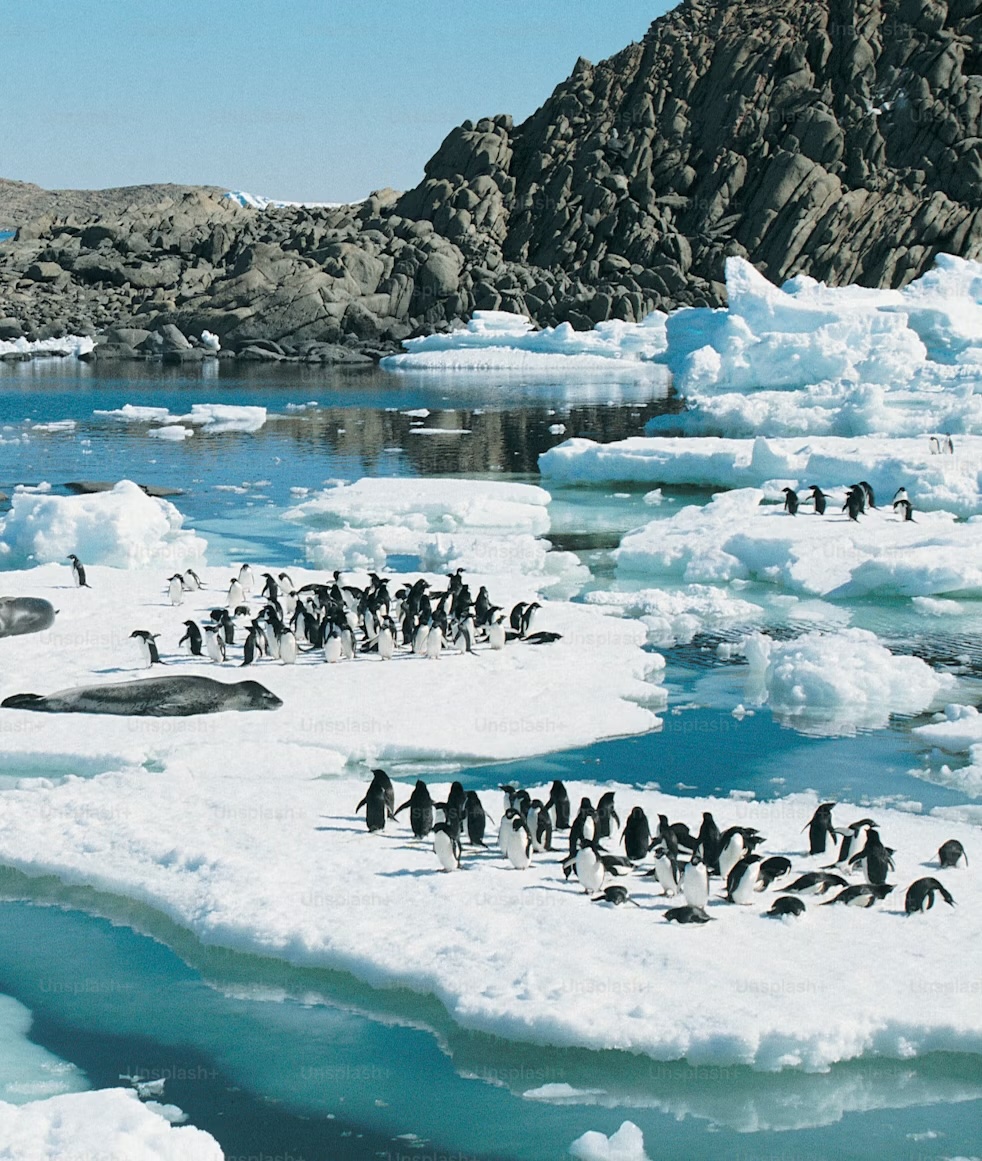
Expedition cruises to the Antarctic Peninsula
Most Antarctic journeys begin in Ushuaia, where Avenida San Martín runs along the main strip near the port. This is where ships depart, usually after crossing the Beagle Channel and heading into the Drake Passage. Conditions here can vary significantly, and the crossing often sets the tone for the rest of the trip.
Once ships reach the Antarctic Peninsula, movement depends entirely on weather and ice conditions. Landings typically happen via small boats, with sites like Neko Harbour or Cuverville Island offering access to shorelines where wildlife tends to gather.
On many Antarctica cruises, itineraries may vary slightly, but most follow similar landing zones along the western side of the peninsula. The key difference lies in how often ships can disembark and how flexible the schedule is, which becomes clear when navigating pack ice and changing conditions.
Secluded wilderness sanctuaries in the Serengeti
The Serengeti isn’t a single location but a large ecosystem divided into regions like Seronera, the Western Corridor, and the northern areas near the Mara River. Most visitors arrive via airstrips such as Seronera Airstrip, where dirt tracks connect camps to the main game-viewing areas. These tracks aren’t marked in the same way as roads elsewhere, but they follow predictable patterns shaped by water sources and migration routes.
In the central Serengeti, the Seronera River draws wildlife year-round, making it one of the more reliable areas for sightings. Moving west toward the Grumeti River introduces thicker vegetation, while the northern regions open up near Lamai, especially during migration season when crossings occur. Distances between these areas are larger than they appear on a map, so internal flights are often used instead of long drives.
Volcanic landscapes and lagoons in Iceland
Reykjavík serves as the starting point for most journeys through Iceland, with roads like Route 41 linking the city to Keflavík Airport and the Reykjanes Peninsula. From there, Route 1, the Ring Road, becomes the main artery connecting most of the country.
Heading east, the Golden Circle route branches off toward Þingvellir National Park, where walking paths run between tectonic plates, then continues toward Geysir and Gullfoss via well-maintained roads.
Further along the south coast, stops such as Seljalandsfoss and Skógafoss sit just off the main road, making them easy to access without detours. Continuing toward Vík, the landscape shifts again, with black sand beaches and cliffs near Reynisfjara.
Beyond this, the route toward Jökulsárlón Glacier Lagoon involves longer stretches of driving, but the road is easy to follow. The lagoon itself sits just beside the highway, with ice drifting toward the nearby shoreline, making the stop feel striking up close.
Which grand adventure calls to you?
Each of these journeys is considered breathtaking largely because of how movement fits into the landscape. Switzerland’s rail network links valleys and towns in a way that feels continuous, while Peru’s trekking routes unfold naturally from one environment to another. Antarctica depends on conditions that shift by the hour, and the Serengeti follows patterns shaped more by wildlife than infrastructure.
Iceland sits somewhere in between, with a single road connecting places that seem far apart on paper but feel closer in practice. Choosing between them ultimately comes down to how someone prefers to travel, not just where they want to go.








discuss
Email
Pin
Tweet
Share