

Wellness tourism is no longer about spa days and weekend yoga. Travelers now want trips that feel restorative and deeply personal. They look for places that can calm the mind, strengthen the body, and spark real transformation.
The global wellness tourism market reflects this shift. According to Statista, it is expected to reach $1.35 trillion by 2028. That growth shows how strongly people are choosing wellness over ordinary escapes. From yoga retreats in the Himalayan foothills to mineral baths in Europe and thalassotherapy in Greece, each destination offers a unique path to renewal. The future of travel is about how you return, not just where you go.

Baden-Baden, Germany
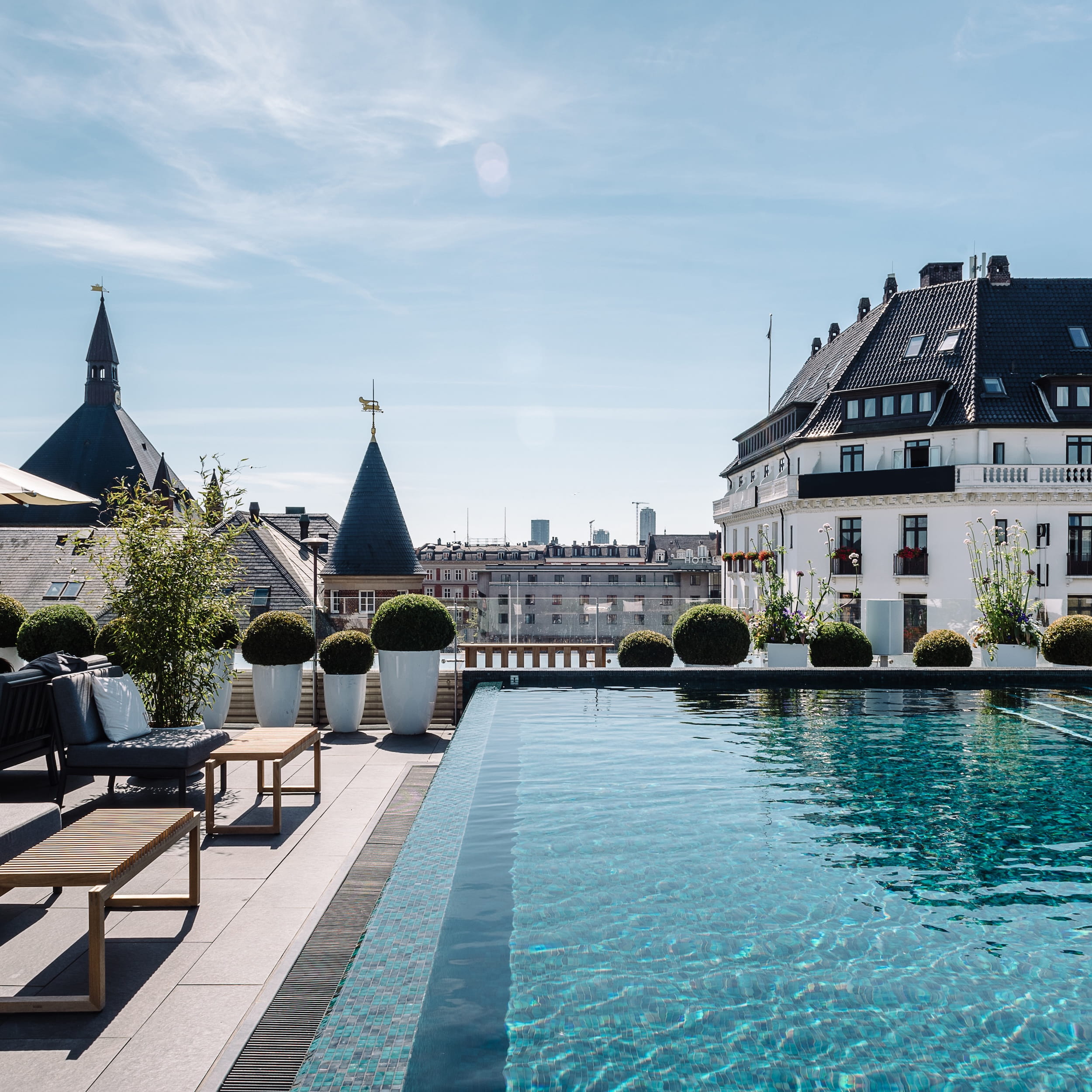
Baden-Baden sits at the edge of Germany’s Black Forest and has drawn visitors for centuries thanks to its mineral-rich thermal springs. The Romans built the first baths here, and the tradition has only grown stronger.
With water bubbling up from 2,000 metres below ground, these springs are believed to promote both relaxation and healing. Today, spa complexes such as Caracalla Spa and Friedrichsbad continue this legacy, offering a mix of ancient bathing rituals and modern hydrotherapy.
The waters are believed to ease joint pain, improve circulation, and relax the nervous system. This makes Baden-Baden especially appealing for travelers managing conditions like arthritis, chronic stress, or post-injury stiffness. A full spa day here might involve moving through multiple pools of varying temperatures and inhaling mineral-infused steam. It often ends with a cold plunge to invigorate the senses.
But Baden-Baden isn’t just about the baths. The town itself is designed for slow living, with leafy promenades, opera houses, and elegant hotels that make healing feel indulgent. For anyone seeking a restorative European getaway, this destination embodies wellness as both medicine and art.
What’s the cultural etiquette inside Baden-Baden’s spas?
In traditional spas like Friedrichsbad, nudity is part of the bathing ritual. Visitors should follow posted rules, maintain quiet, and respect privacy. Understanding these customs helps international travelers enjoy the experience without discomfort.

Rishikesh, India
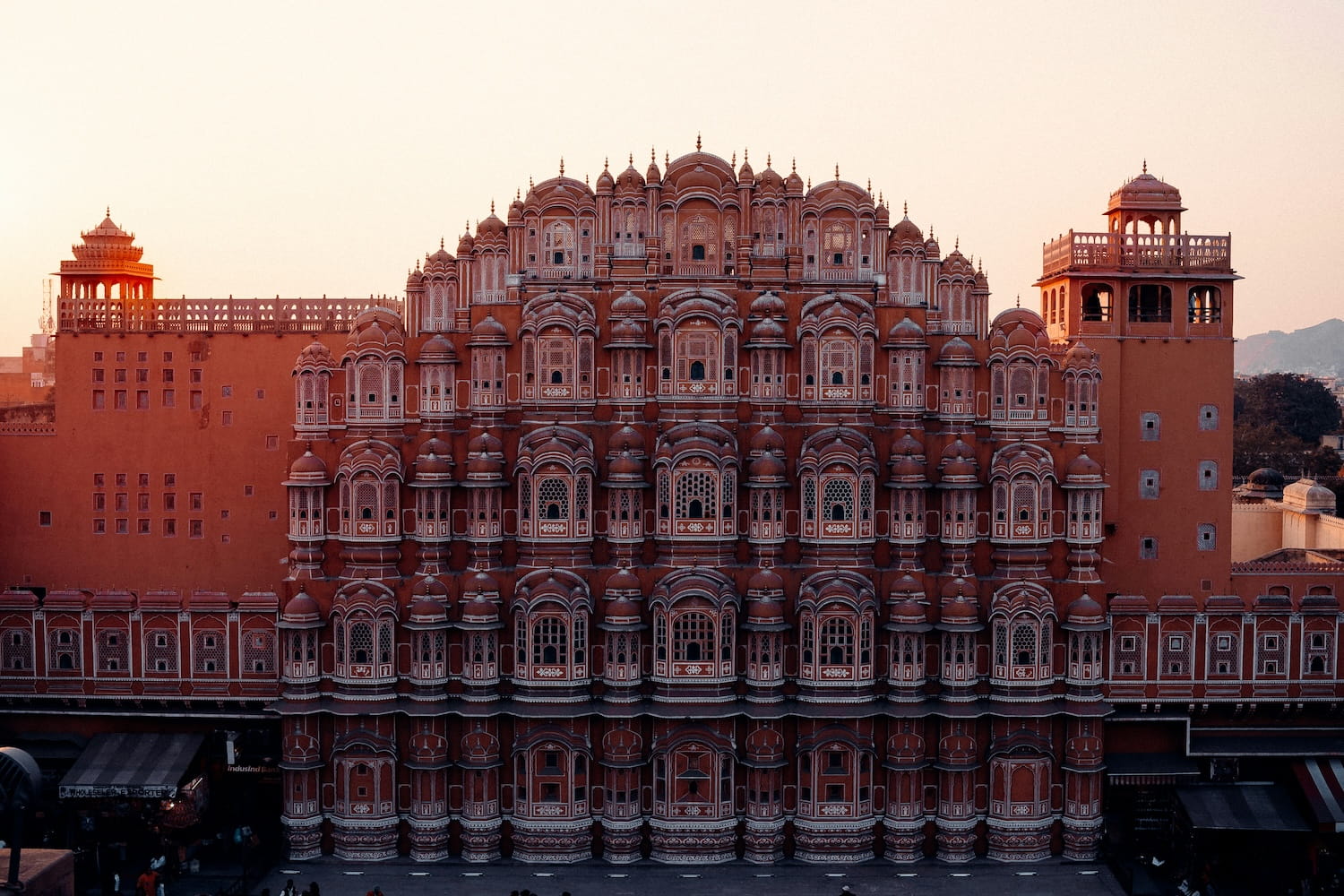
Rishikesh, resting on the banks of the Ganges, is often called the Yoga Capital of the World. Yoga is a part of daily life here. Retreats like Parmarth Niketan and the eco-focused Sattva Retreat blend yoga with meditation, Ayurveda, and mindful living.
While yoga is well known for its mental benefits, it can also help with common physical challenges. Take urinary incontinence, for example. The Cleveland Clinic estimates that about 62% of women over 20 live with some form of it. Pregnancy and aging often weaken pelvic muscles, leading to the problem.
Surgery is one option, but treatments like transvaginal mesh have been linked to serious complications, leaving many women seeking safer alternatives. Yoga provides one. By targeting and strengthening the pelvic floor, yoga improves muscle control in a gentle, non-invasive way. In fact, a Stanford Medicine study showed that women who practiced a 12-week yoga program experienced about 65% fewer incontinence episodes.
So, why not learn pelvic floor–focused yoga directly from the Yoga Capital itself? On a serious note, if you’ve already undergone any mesh surgery and were harmed, you should take action. Many women are doing it. You can visit torhoermanlaw.com/vaginal-mesh-lawsuit to learn more about the process.
Do retreats in Rishikesh welcome beginners in yoga?
Absolutely. Retreats often provide multi-level classes, so beginners can learn the basics while advanced practitioners dive deeper. Teachers guide students step by step, ensuring everyone feels comfortable, regardless of their prior experience with yoga or meditation.

Sedona, Arizona
In the high desert of northern Arizona, Sedona’s red rock formations glow in deep shades of orange and crimson at sunset. Beyond the beauty, the region is famous for its energy vortexes. These sites, scattered across landmarks like Cathedral Rock and Bell Rock, are believed to emit concentrated earth energy that fosters healing, meditation, and self-reflection.
Visitors often describe feeling an unusual calm or heightened awareness at these spots. Many use the experience to deepen yoga practice, meditate, or simply connect with nature. The vortexes give Sedona a reputation as both a scenic wonder and a spiritual hub.
Wellness retreats here extend the experience further. Options include guided meditation walks through canyons, sound therapy under starry skies, and Native American healing ceremonies led by local spiritual guides. Resorts like Mii amo merge these ancient traditions with modern spa treatments, offering a balance between body and spirit. For those facing burnout, grief, or emotional strain, Sedona provides more than a getaway. It offers renewal through reconnection with the land, with tradition, and with oneself.
When is Sedona most enjoyable to visit?
The best seasons are spring and fall, offering clear skies and mild weather. These seasons make it easier to hike, attend retreats, and enjoy outdoor wellness programs. Summers bring intense heat, while winters are cooler but remain comfortable for outdoor activities and wellness retreats.

Mykonos, Greece
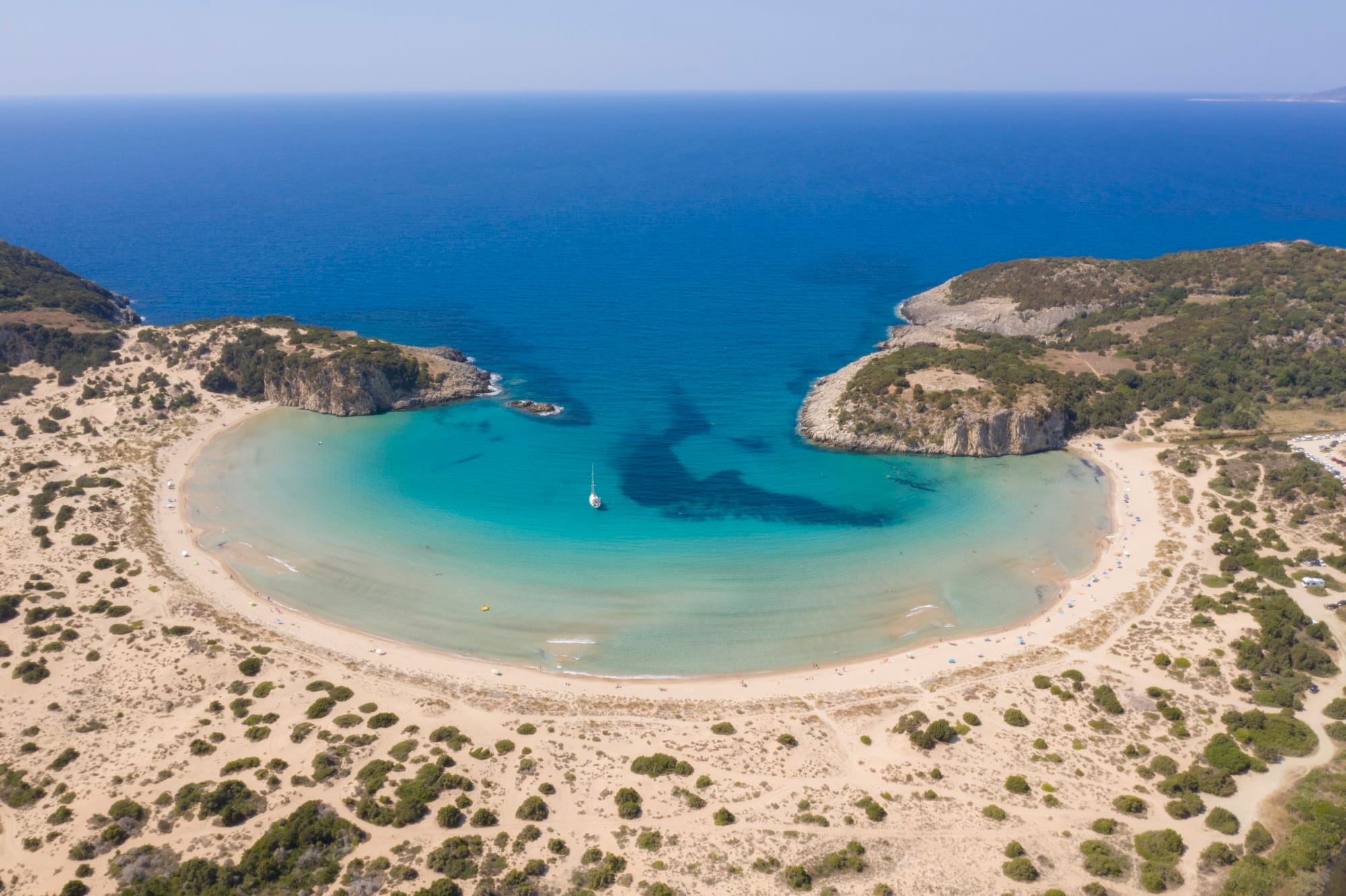
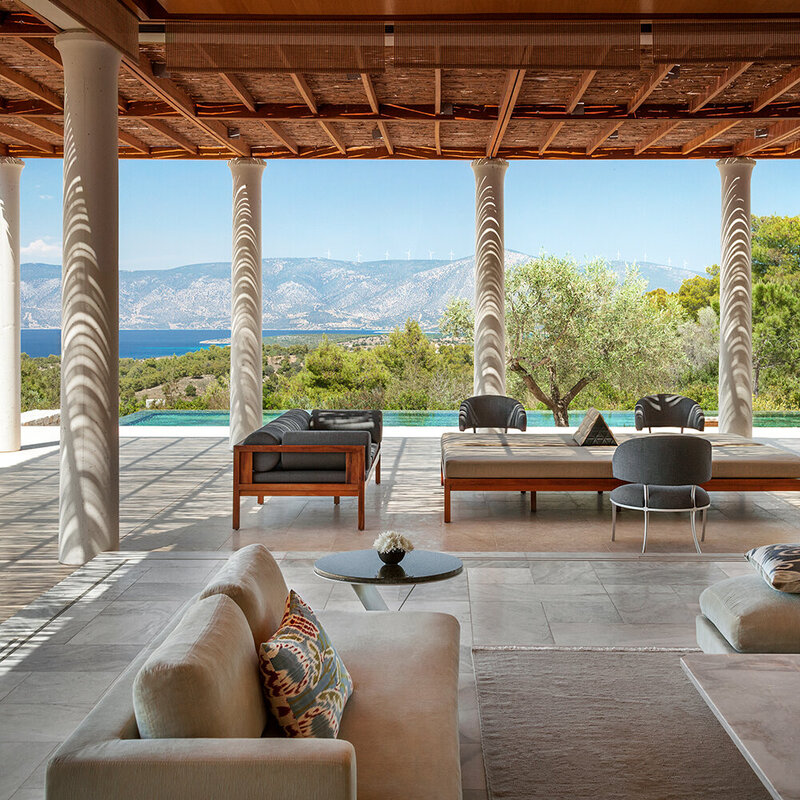
On the Aegean coast, Greece has long embraced the healing power of the sea. Thalassotherapy, which uses seawater and marine elements for therapeutic purposes, remains one of its most distinctive wellness offerings.
According to Dr. Marie Perez Siscar, president of France’s national thalassotherapy association, seawater is incredibly effective for musculoskeletal issues. It reduces inflammation, eases joint pain, and promotes faster recovery after physical strain. It’s also known to soothe skin conditions like eczema, thanks to its natural minerals. The benefits extend beyond the body. Inhaling aerosols of mineral-rich water in ionized form can support respiratory health. This practice can help clear the lungs and ease breathing difficulties.
Greece’s coastal resorts combine these natural therapies with luxurious wellness programs. Treatments may include seaweed wraps, hydro-massage pools, and guided saltwater breathing sessions. For travelers coping with chronic pain, respiratory concerns, or skin sensitivities, these retreats offer more than relaxation. They provide a holistic way to heal, supported by the timeless rhythm of the sea.
What’s the difference between thalassotherapy and regular spa treatments?
Thalassotherapy uses seawater, seaweed, and marine minerals in treatments, making it therapeutic rather than purely cosmetic. Unlike regular spas, it aims to address health issues such as joint pain, skin conditions, and respiratory concerns.
In short, wellness tourism is evolving quickly, and the reason is clear: travelers want more than relaxation. They want journeys that address their individual challenges, whether that means urinary incontinence, joint pain, emotional burnout, or digestive issues.
Each of these four destinations offers a different path. What unites them all is the belief that true wellness is personal. The future of luxury travel lies in experiences that go beyond picture-perfect moments. They send you home lighter, stronger, and more whole than when you arrived.










discuss
Email
Pin
Tweet
Share