

Food-focused travel tends to reveal places differently. Streets become clearer when followed through markets, and neighbourhoods feel more connected when meals are shaped around how locals actually eat. In some cities, that means walking from one district to another with stops along the way. In others, it involves leaving the mainland altogether to understand how geography shapes what ends up on the plate.
This guide explores five destinations where eating is not separate from travel, but the most direct way into it, whether that happens on the water, in old town streets, or across vineyard hills.
Private Yacht Dining Across the Greek Islands
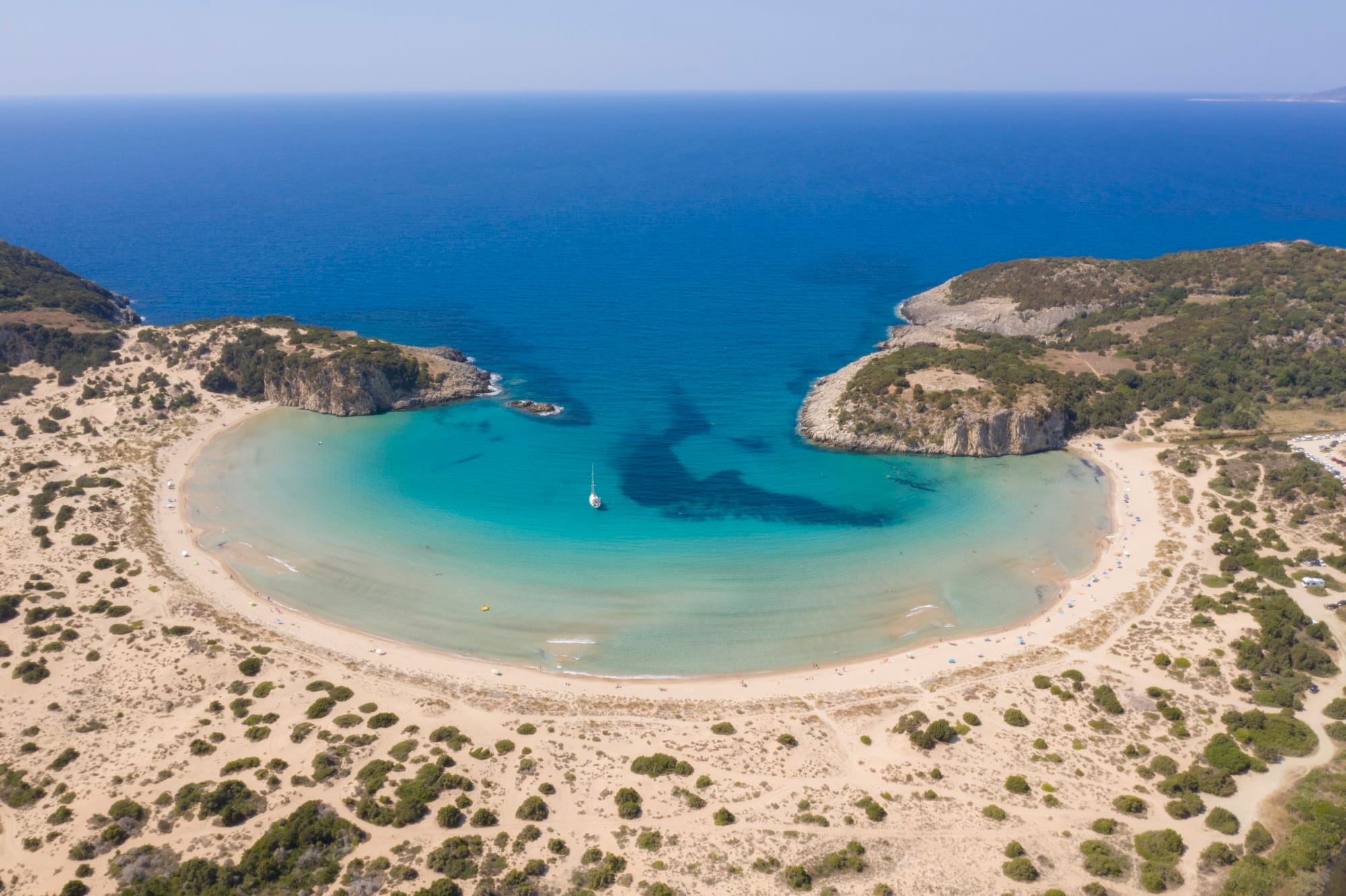
Food in the Greek islands is closely tied to movement, especially when travelling by sea. Routes often begin around Piraeus or Lavrio before heading into the Cyclades, where islands like Kea, Syros, and Paros sit within manageable sailing distance.
Moving between them by boat changes how meals are approached. Instead of fixed restaurant stops, ingredients are picked up in harbour towns, such as fish markets near Ermoupoli’s waterfront or produce stalls just behind Parikia’s port.
It may be worth exploring amazing private yacht charters in Greece. With access to smaller ports and less crowded marinas, it becomes possible to dock early in places like Naoussa or Naxos Town, walk inland to local bakeries or open-air markets, and bring everything back on board. The experience isn’t just about eating at sea but about sourcing food directly from each stop, often within minutes of arrival.
Back on land, short walks from the marina often lead straight into everyday life. In Mykonos, heading inland from the Old Port toward Matogianni Street gives a clearer sense of how shops, bakeries, and grocers fit together. In Santorini, moving away from the caldera edge into Pyrgos reveals smaller provision shops that supply local kitchens. The route shapes the meals as much as the ingredients themselves.
Michelin-Starred Gastronomy in the Heart of San Sebastian
San Sebastian is compact enough to navigate on foot, which makes it easier to understand how its food scene connects. Most visitors start in Parte Vieja, the old town between the harbour and the Urumea River. Streets like Calle 31 de Agosto and Calle Mayor are where the density of kitchens is highest, but walking slightly uphill toward Plaza de la Constitución opens up quieter corners that still feed into the same culinary network.
It’s also in and around these streets where the city’s concentration of Michelin-starred restaurants becomes noticeable, not through signage but through the steady flow of diners moving between well-known doors tucked into otherwise ordinary buildings.
Crossing the Kursaal Bridge into Gros changes the layout slightly. The grid becomes more regular, and the pace shifts towards everyday routines instead of concentrated dining. Markets here, especially around Plaza de Cataluña, offer a clearer look at what underpins the region’s cooking, with fresh seafood, seasonal vegetables, and prepared foods that locals take home instead of eating out.
Further west, the walk toward Ondarreta Beach passes through areas where larger dining spaces sit back from the old town’s narrow streets. Some of the city’s most recognised Michelin-starred dining rooms are found along this stretch or just beyond it, often in quieter residential areas rather than central squares. The route along Paseo de la Concha connects everything in a straight line, making it possible to move between districts without needing transport.
Authentic Neapolitan Pizza Mastery in Savannah
Savannah might not be the first place associated with traditional Neapolitan pizza, but the way food fits into the city’s layout makes it surprisingly effective for this kind of experience. The Historic District is built around a series of squares, including Johnson Square, Chippewa Square, and Monterey Square, and most routes naturally loop through them. That structure makes it easy to move between stops without retracing steps.
Walking along Broughton Street reveals how modern food spots sit alongside older buildings, while heading south towards Forsyth Park brings you into quieter residential blocks where smaller kitchens operate. Within this network, visitors can enjoy the best pizza in Savannah, especially in places that focus on traditional methods, with wood-fired ovens, simple toppings, and dough that is handled with care.
The walk between River Street and the inland squares also plays a part. Starting near the Savannah River, then moving uphill through Bay Street and into the grid, changes the pace and the kind of places encountered along the way. By the time someone reaches areas around Bull Street or Abercorn Street, the shift from tourist-heavy zones to more local spots becomes clear. It’s a city where pizza fits naturally into the broader food scene, rather than standing apart from it.
Traditional Omakase Excellence in Tokyo’s Ginza District
Ginza’s layout is more structured than it first appears. The main avenue, Chuo-dori, runs straight through the district, with smaller streets branching off in a grid that’s easy to follow once familiar. Food experiences here often begin below street level, especially around Ginza Station, where underground passages connect directly to department store food halls and smaller counters.
Walking north toward Yurakucho introduces a less formal side of the area, with narrower alleys and a mix of standing eateries and small dining spaces. Heading east toward Tsukiji Outer Market shifts the focus entirely. The walk takes around 15 minutes, and the change in atmosphere is immediate, with open stalls, visible preparation, and ingredients handled out in the open.
Back in Ginza, omakase dining tends to be hidden behind discreet entrances along side streets like Namiki-dori or in upper floors of otherwise unremarkable buildings. Finding them usually involves a bit of backtracking or checking building directories rather than following obvious signage. Moving between Ginza, Tsukiji, and nearby Hibiya creates a loop that gives context to what ends up on the counter.
Vineyard Foraging and Estate Dining in Tuscany
Tuscany’s food landscape is spread out, so routes between towns matter more than in a compact city. Florence often acts as a starting point, especially around Mercato Centrale, where ingredients and ready-made dishes sit side by side. From there, heading south toward Siena or west toward San Gimignano begins to open up the countryside.
Driving through Chianti, roads like SR222 connect a series of small towns, including Greve, Panzano, and Castellina, where vineyard estates sit just off the main route. These are not places where everything is clearly signposted. Turning onto smaller roads often leads to estates that combine growing, foraging, and cooking in one setting. Meals here are built around what is available that day, not a fixed menu.
Closer to Siena, moving along Strada di Leonina or the roads around Monteriggioni brings a different feel again. The landscape tightens, with stone villages appearing at short intervals. Walking through these areas, especially early in the day, reveals how closely food production sits alongside daily life, with olive groves, small vineyards, and kitchen gardens all within a few minutes of each other. Getting between them requires a bit of planning, but once there, everything feels connected.
Ready to taste the world?
Travelling for food isn’t just about where someone eats but how they move between those meals. In the Greek islands, the route across the water shapes what ends up on the table. San Sebastian works because everything sits within walking distance, while Savannah’s grid quietly guides people from one place to another.
Tokyo requires a bit more navigation but rewards it with precision, and Tuscany spreads things out so the journey becomes part of the experience. The destinations differ, but the approach stays the same: follow the food, and the rest tends to fall into place.










discuss
Email
Pin
Tweet
Share