
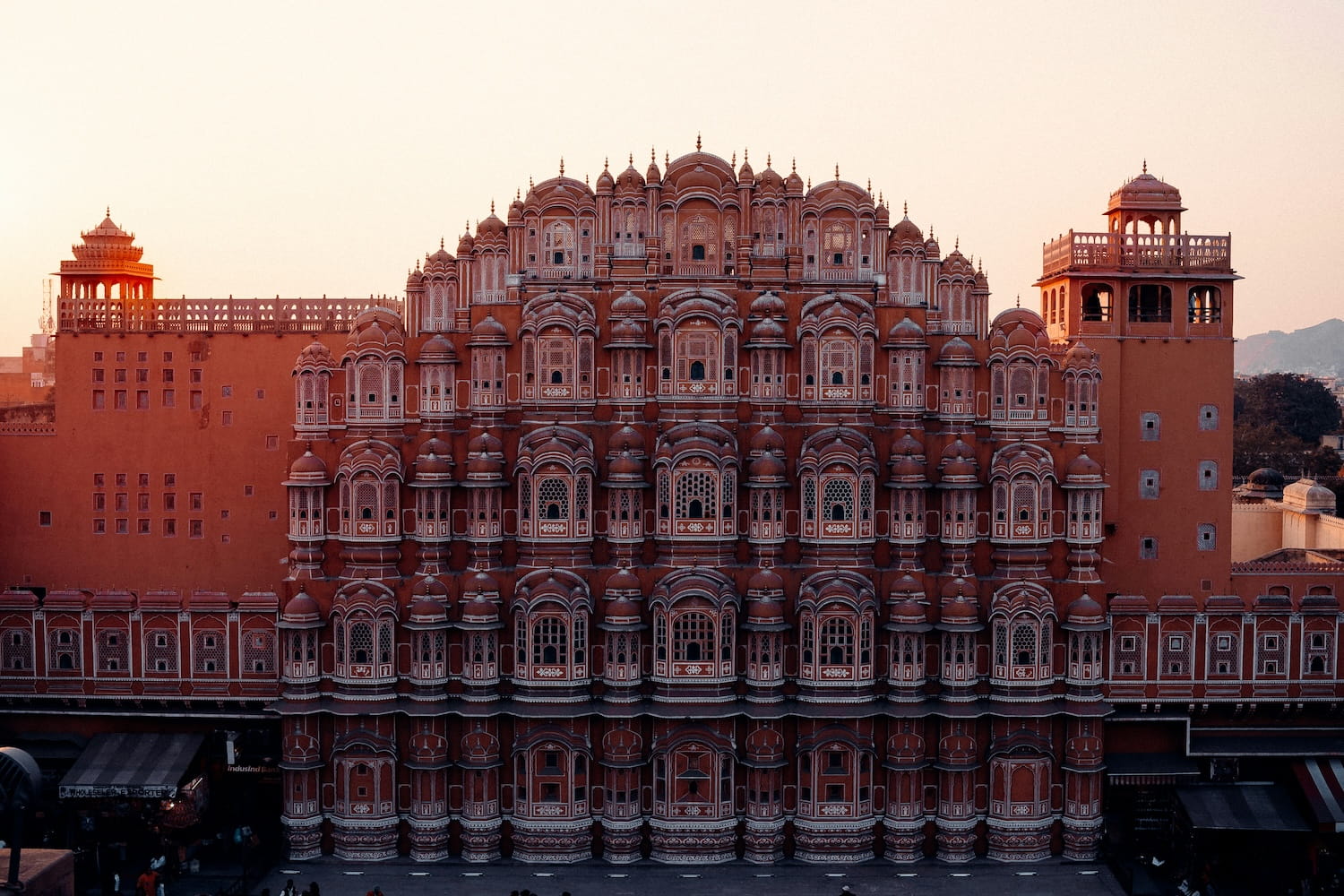
Jaipur gave us the colour, the chaos and the calm we didn’t know we needed…
I first came in 2023, fell hard, and have been finding excuses to return ever since. I had been assured it was nowhere near as frenetic as Delhi or Mumbai, and it isn’t – though it is still beautifully chaotic. Tuk-tuks weave past cows, temple bells compete with car horns, and the old city glows pink from dawn to dusk. Then you step through a haveli door and the noise simply stops: a courtyard, a fountain, a pot of masala chai.
This is the capital of Rajasthan, laid out in 1727 by Maharaja Sawai Jai Singh II, painted pink to welcome the Prince of Wales in 1876, and ringed by the forts of the Aravalli hills. It is a city of palaces still lived in, and of a royal family very much present. The young, polo-playing Maharaja, Sawai Padmanabh Singh, made his Met Gala debut this May in Prabal Gurung. Before him came Queen Elizabeth II and Prince Philip in 1961, and Jacqueline Kennedy a year later, both guests of the Maharaja and Maharani Gayatri Devi.
That glamour lives on. Winter means polo season and wedding season, and jewels from the old city’s bazaars. It means Rajasthani food, some of the best cooking in India, and palace hotels that remain among the finest anywhere. Summers are hot and dry; winters are crisp and cold at night. And from the UAE, it is around three and a half hours away on a direct flight.
Every time I leave, I know exactly what I’ll come back for: exquisite food and drink, extraordinary hotels, colour, history and some of the warmest people I’ve met anywhere. Here is where to stay, eat, drink and explore. Welcome to our insider guide to Jaipur. – Isabella
Where to stay in Jaipur
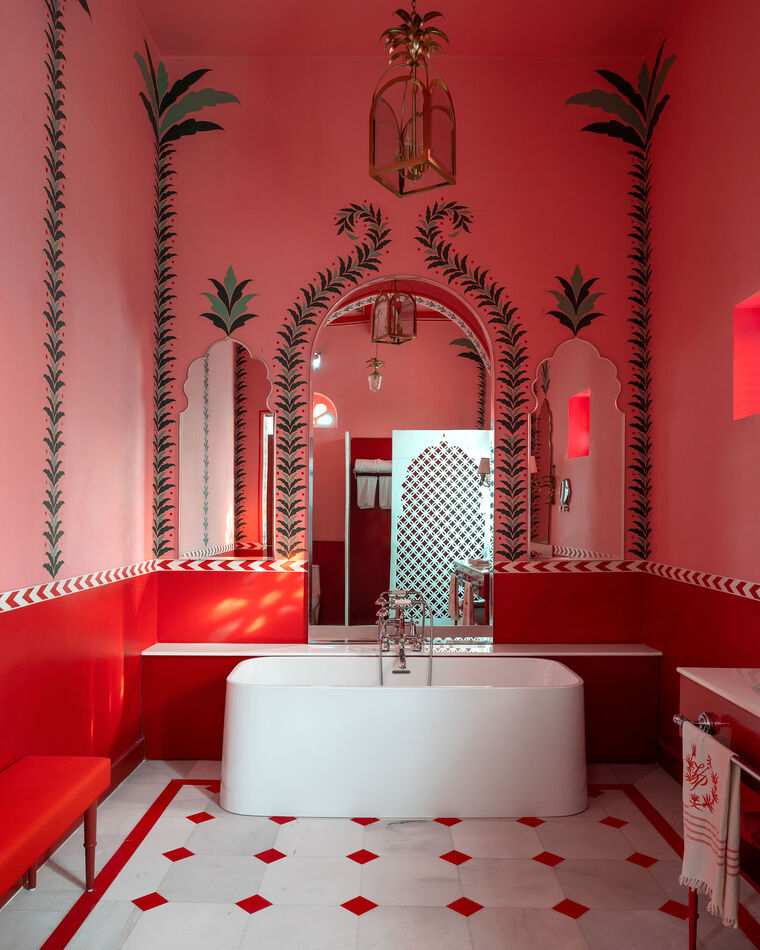
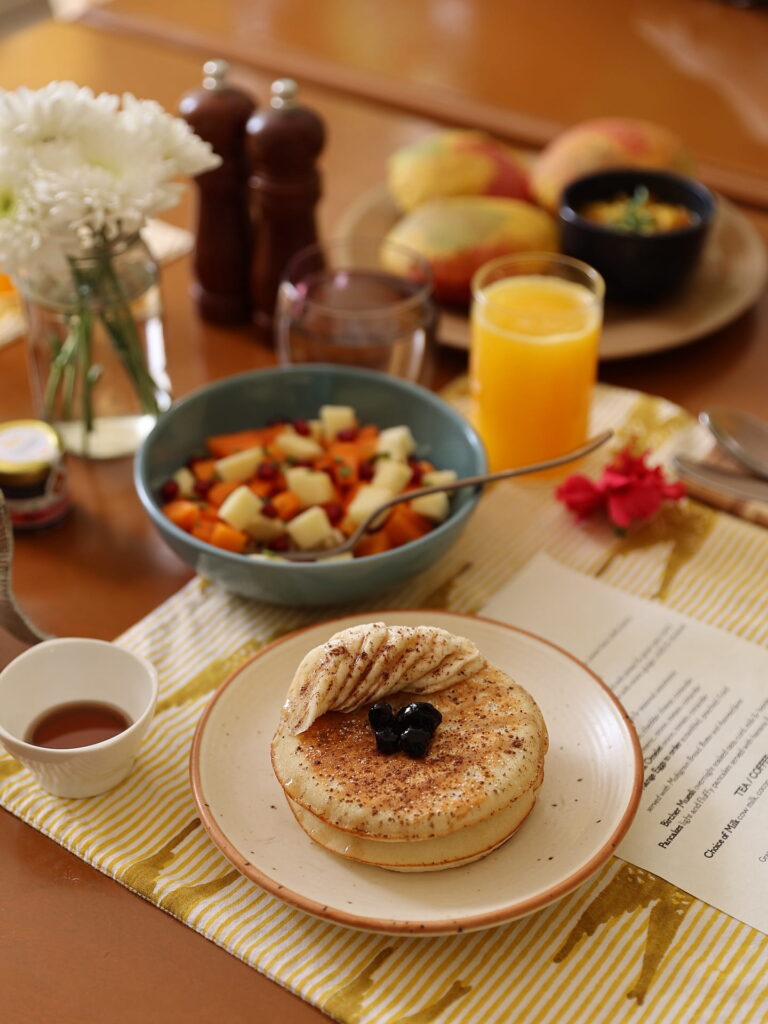
The Johri (NEAR+FAR choice): A restored 19th-century haveli in the middle of Johri Bazaar, from the Kasliwal family of The Gem Palace jewellers – and like staying inside a jewellery box. Step through the door and the bazaar falls silent. Eight unqiuely decorated suites are named after precious stones, breakfast is organic and included, and guests take complimentary high chai under hand-painted jungle murals. Hawa Mahal and City Palace are a short walk away. Our tip? Book ahead and secure the Manek (ruby), Neelam (sapphire) or Sona (gold) suite. thejohrijaipur.com
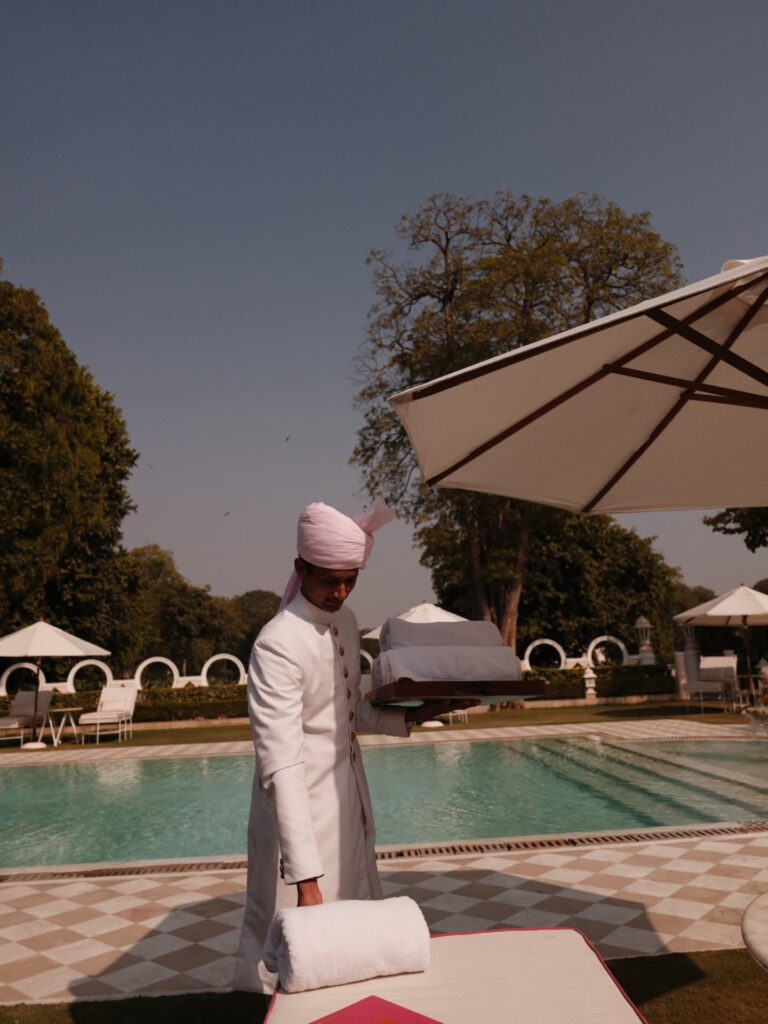
Rambagh Palace: The former residence of the Maharajas of Jaipur, a hotel since 1957 (operated by Taj) and still the city’s grandest address. Its 79 rooms and suites sit in 47 acres of gardens, where peacocks cross the lawns. Even if you stay elsewhere, come for lunch or afternoon tea on the Verandah, a drink in the Polo Bar and dinner in Suvarna Mahal. tajhotels.com
Rajmahal Palace: Built in 1729 and later home to Maharaja Sawai Man Singh II and Maharani Gayatri Devi, this is where Queen Elizabeth II and Prince Philip stayed in 1961. Suites now honour them, Jacqueline Kennedy and Lord Mountbatten. There are just 13 rooms and suites, restored in Indian Art Deco with 37 different wallpapers, and a dining room called 51 Shades of Pink. Now run by RAAS. raashotels.com
Samode Haveli: A 19th-century mansion in the old city, built around a series of quiet, interconnecting courtyards. Rooms are full of character, but book the sheesh mahal suite, Room 115, for mirrorwork from floor to ceiling. samode.com
28 Kothi: Five rooms on a quiet lane in leafy Civil Lines, from Siddharth Kasliwal of The Gem Palace and chef Abhishek Honawar – the same partnership behind The Johri. Designer Nur Kaoukji gave each room a gemstone name and colour palette, with latticed windows and mirrored headboards. Breakfast is served on the terrace. 28kothi.com
Villa Palladio: Nine rooms beside Lake Kanota, around 20 minutes from the city, from Barbara Miolini and designer Marie-Anne Oudejans of Bar Palladio. A 1980s haveli reimagined in red and pink: candy stripes, frescoes of roosters and palms, stained glass, local brass sconces and Mughal-style gardens. On the way, stop at Sisodia Rani Garden. villa-palladio-jaipur.com
Amanbagh: If you have time, drive two hours into the Aravalli hills near Ajabgarh, once the staging ground for royal tiger hunts. Rose-pink, Mughal-inspired pavilions rise from walled gardens, some suites with private pools, and the ruins of Bhangarh are close by. One of Aman Resort’s most magical properties. aman.com
Where to eat in Jaipur
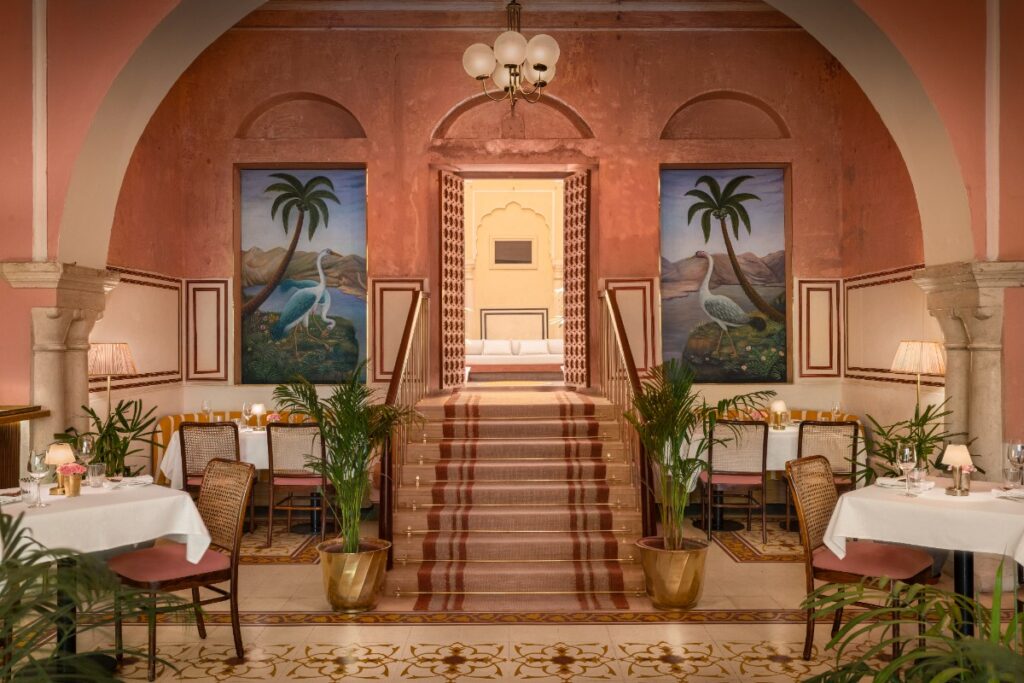
The Johri: One of the best restaurants in the city, and entirely vegetarian. The dining room is pink, with flamingo motifs and palms, and the cooking is good enough that committed carnivores won’t notice what’s missing. The cocktails are just as strong a reason to book.
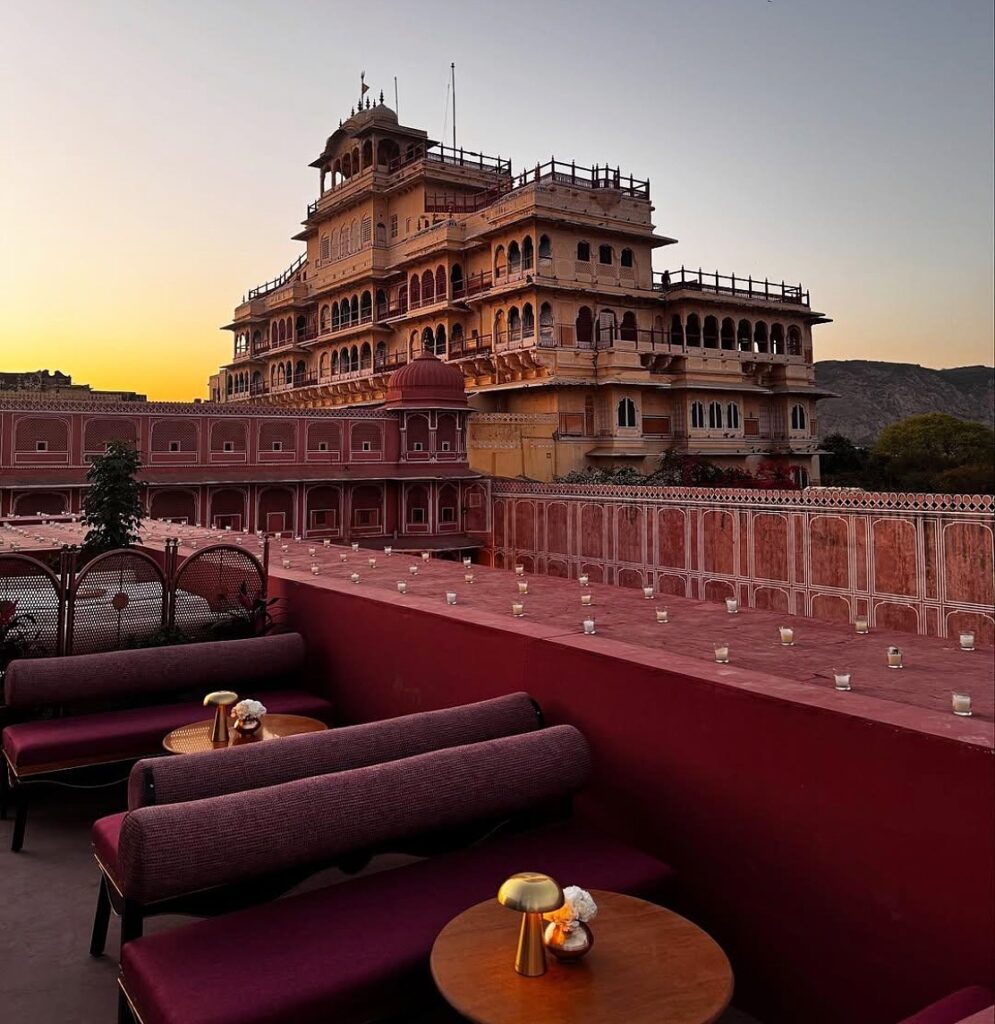
The Sarvato: Dinner inside City Palace, in a square former audience hall that gives the restaurant its name. Opened by the Maharaja with restaurateur Abhishek Honawar, it serves a six-course tasting menu that runs from royal recipes to the cooking of rural Rajasthan, with chef Sonu Kumar Singh working over charcoal sigris. Now a Relais & Châteaux member. It opens for the cooler months only, from September, by reservation.
Suvarna Mahal: Rambagh Palace’s former banquet hall, all gilded mirrors and Italian frescoes – faded Raj glamour at its most intact. The menu draws on four former princely states, Rajasthan, Awadh, Punjab and Hyderabad. On our first visit, we were even served by a former waiter of the royal family… Order the laal maas.
The Verandah, Rambagh Palace: Lunch or afternoon tea overlooking the lawns, with peacocks for company. Plan to stay longer than you meant to.
Spice Court: A local favourite in Civil Lines since 2004, and some of the best Rajasthani cooking in the city. Eat in the courtyard.
Coffee and cafés
Café Kothi, 28 Kothi: The breakfast to book even if you’re staying elsewhere. A farm-fresh, organic, vegetarian menu with an Indian lean, served in one of the calmest corners of Civil Lines.
Wind View Café: A rooftop facing Hawa Mahal, best early, as the old city opens its shutters. Order a sweet, strong masala chai and watch the street wake up below.
Kafeville: For proper espresso, in C Scheme near Ahinsa Circle, with a European-leaning menu for when you need a break from chai.
Where to drink in Jaipur
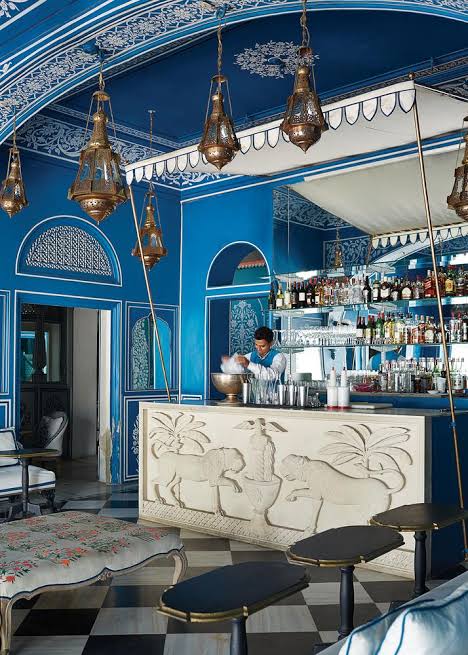
Bar Palladio: The bar that put Jaipur’s social scene on the map. Barbara Miolini opened it in 2013 in the grounds of Narain Niwas Palace, and Marie-Anne Oudejans dressed it in peacock blue, with tented interiors and garden pavilions you should reserve ahead. The menu is Italian; the crowd is everyone.
The Sarvato: A cocktail bar as well as a restaurant, on a terrace within City Palace looking over the Pink City. Come for a drink before dinner, or stay for both.
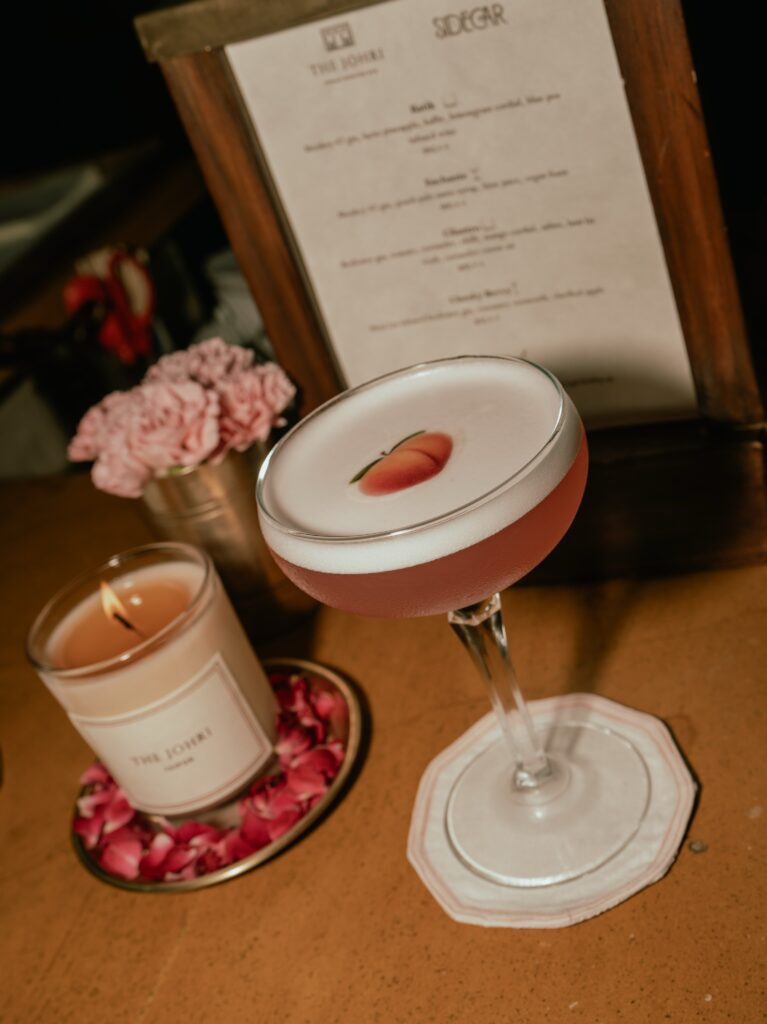
The Johri: The bar inside the pink restaurant serves some of the best cocktails in the old city. Hotel guests also have the Pukhraj Lounge, which turns from high chai to cocktails as the evening starts.
Polo Bar, Rambagh Palace: Polo trophies and memorabilia, cocktails named for the sport, in the palace once home to Maharaja Sawai Man Singh II, the most celebrated polo player of them all.
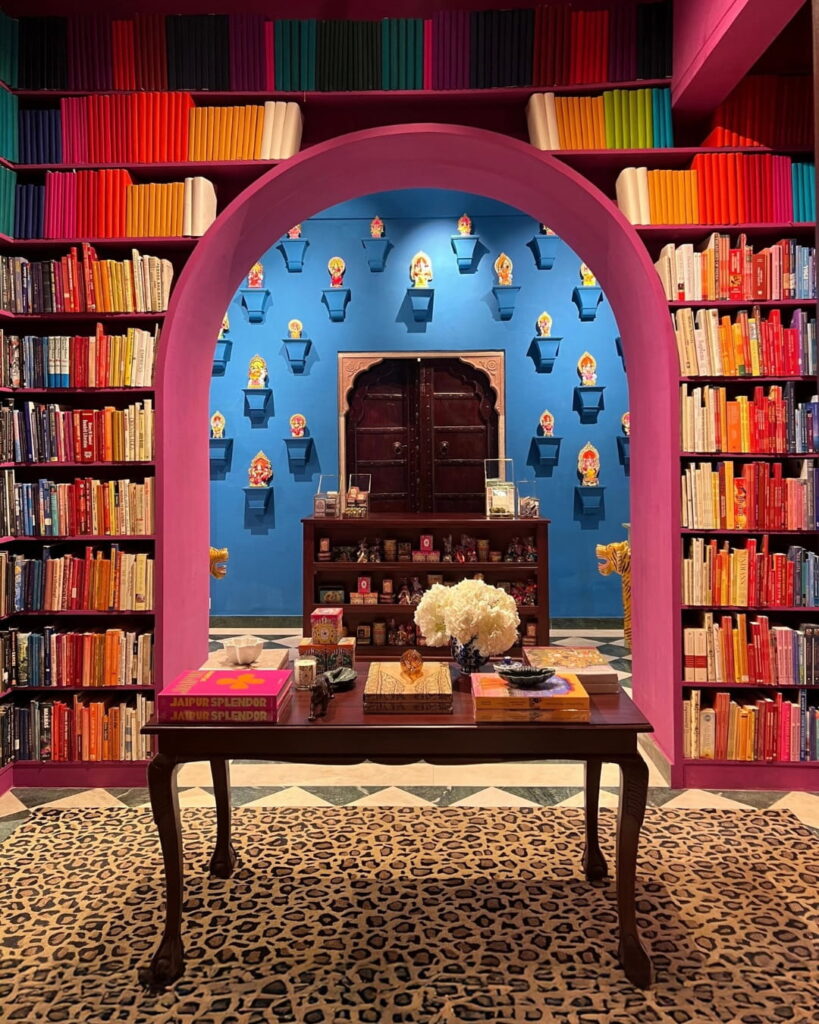
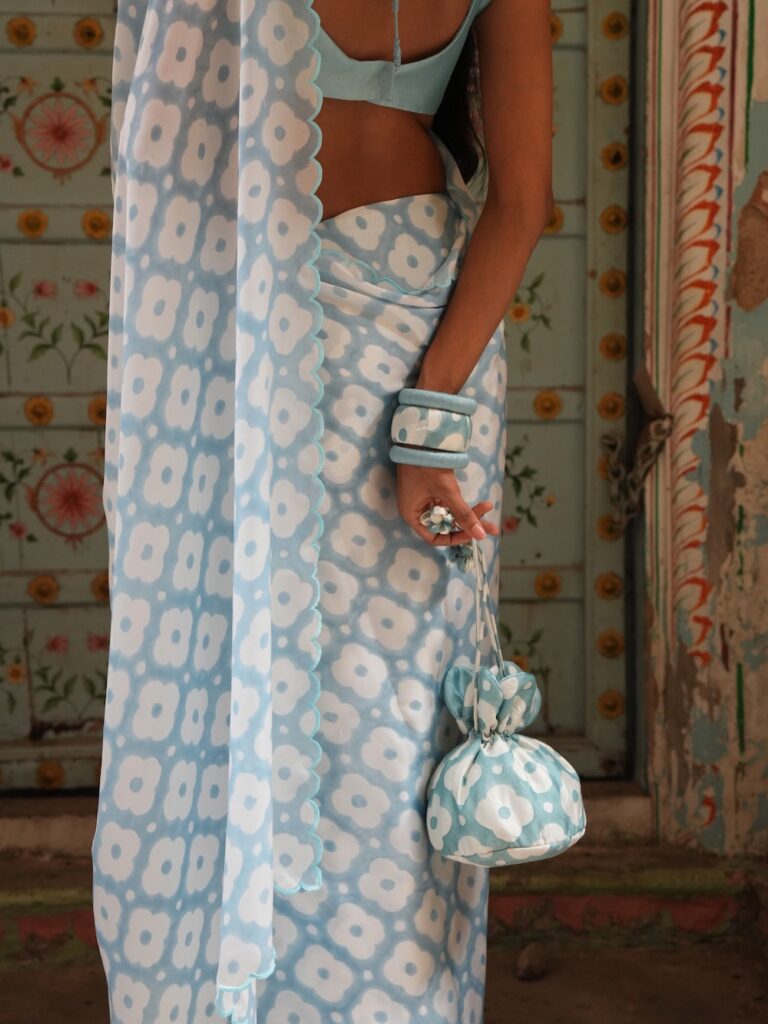
Where to shop in Jaipur
The Palace Atelier: A concept store inside City Palace, created by Princess Gauravi Kumari with French designer Claire Deroo. The edit runs from Indian fashion labels and fine jewellery, including pieces from The Gem Palace, to the store’s own line of clothing, objects and gifts.
The PDKF Store: Block-printed quilted jackets, cushions, coasters and toys, also at City Palace. Every purchase supports the Princess Diya Kumari Foundation, whose women artisans make the pieces and keep traditional Rajasthani techniques alive.
Johri Bazaar: Johri means jeweller, and this is the old city’s jewellers’ market. Come for gemstones, silver and enamelwork, take your time and bargain. For serious stones, The Gem Palace, the Kasliwal family’s jewellery house, is the city’s most storied name.
What to see and do in Jaipur
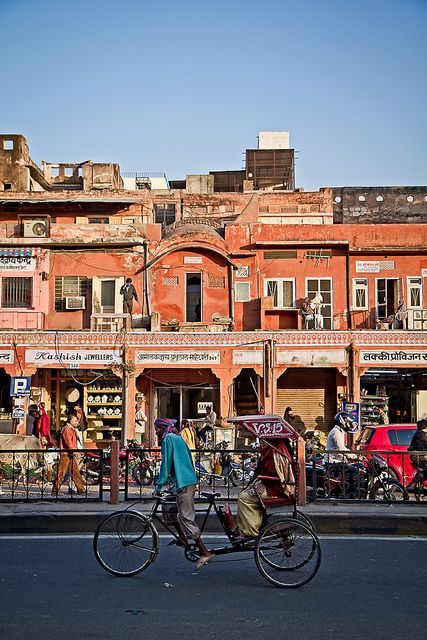
Phool Mandi at dawn: Start before sunrise at the wholesale flower market, where marigolds and roses change hands by the sackful, then walk on through the vegetable market as it opens. Book a guide for an early walking tour of the old city; it’s the best introduction there is.
City Palace: Still home to the royal family. Book a tour that includes the Chandra Mahal, the private apartments, and arrive as the doors open, before the crowds.
Hawa Mahal: The Palace of Winds, built in 1799 for Maharaja Sawai Pratap Singh, its honeycomb façade of 953 small windows designed so royal women could watch street life unseen. See it from the rooftop opposite at Wind View Café.
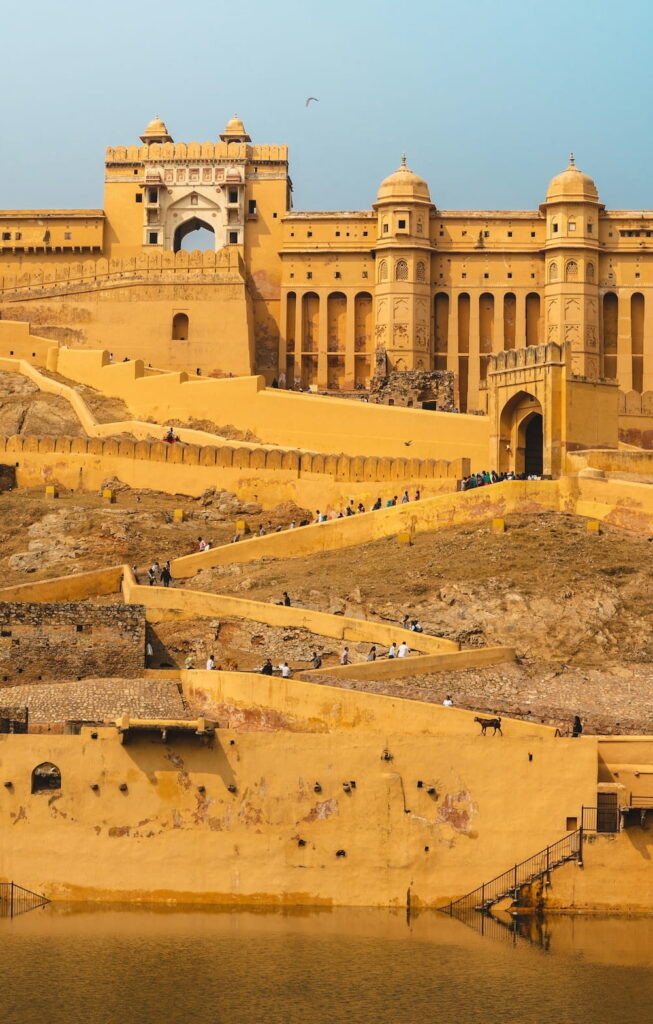
Amber Fort: The hilltop fort-palace 11km north of the city, begun in 1592 and now a UNESCO World Heritage Site. Skip the elephant rides, whose welfare has long been questioned, and walk the ramparts – it takes around ten minutes and the views are the same.
Nahargarh Fort: On the ridge above the city, with the best views over Jaipur and interiors painted in soft, inspired colours. Pair it with Amber Fort, or go for sunset.
Sisodia Rani Garden: Terraced Mughal gardens, fountains and pavilions about four miles from the centre, built in 1728 by Maharaja Sawai Jai Singh II for his Sisodia queen from Udaipur. The calmest hour you’ll spend in Jaipur.
Polo at the Rajasthan Polo Club: Winter is polo season, and match days are the city’s social calendar in action. Members watch from the stands; everyone else spreads out on the grass.
Makar Sankranti: If you can, come in mid-January, when the kite festival fills the old city’s skies by day and lanterns and fireworks take over at night.
Ayurvedic massage: After the forts, book an abhyanga, the traditional warm-oil massage. Most of the palace hotels have spas that offer it.
View all Near+Far insider guides.

Dubai-based Isabella Craddock is the founder of Near+Far, a founding Academy Chair for The World’s 50 Best Hotels, former Condé Nast Traveller editor and a hotel-obsessed, design-devoted travel planner—for friends, loved ones, and readers alike.



discuss
Email
Pin
Tweet
Share